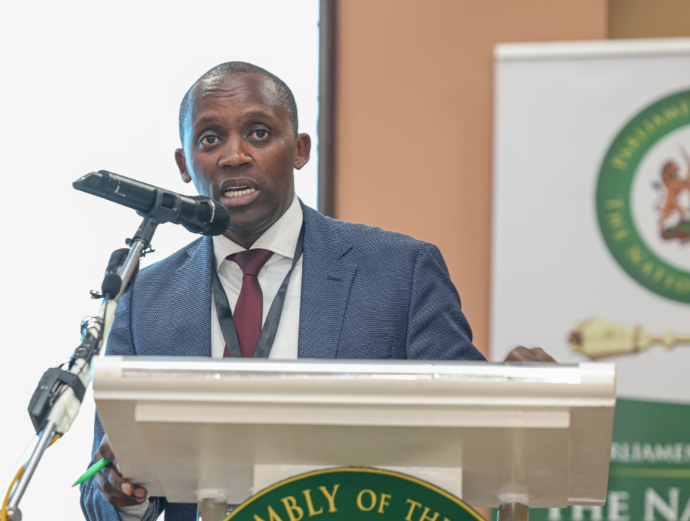
The National Assembly will resume its final session earlier than usual to give MPs ample time to campaign ahead of the next General Election, National Assembly Clerk Samuel Njoroge has said.
Traditionally, the last session of Parliament resumes in February. However, Njoroge said the House will now convene in early January, during the final year of its term.
The adjustment, he explained, is aimed at ensuring legislators are not disadvantaged politically by being tied down in Nairobi while their rivals are already on the ground mobilising support.
“By mid-June, around June 18, we plan for a sine die recess so that members are able to go out and campaign,” Njoroge said while addressing MPs during a House retreat.
He added that the final session would be deliberately short and tightly scheduled.
According to the Clerk, the House will only prioritise critical legislative business during the last session, with a sharp focus on mandatory fiscal and electoral laws.
These include the Budget, the Budget Policy Statement, the Division of Revenue Bill, the County Allocation of Revenue Bill, the Finance Bill, as well as any legislation or regulations related to elections.
“A Finance Bill, and any laws or regulations relating to elections — those are the items that we facilitate, that we prioritise for the last session,” Njoroge said. “It means that everything else we need to constrict it within this session that starts now.”
Njoroge said the decision was informed by hard lessons drawn from previous Parliaments, particularly the 10th Parliament, where some lawmakers lost their seats after remaining in Nairobi to complete legislative business while their political competitors were actively campaigning in their constituencies.
“We learned from the lessons of the 10th Parliament that when we hold members back to do parliamentary business while your competitors are on the ground, we disadvantage you,” he said.
He cited the experience of former Kipipiri MP Amos Kimunya, ex-Manyatta MP Njiru Ndwiga and other legislators who stayed on to conclude parliamentary work, only to be punished by voters at the ballot.
“Their constituents were not very kind to them,” Njoroge said, underscoring the political cost of prolonged parliamentary sittings during an election year.
He warned MPs that the final session would be “very short,” stressing that all non-essential business must be concluded during the current session to avoid a backlog that could interfere with the election calendar.
“So we learned that moving forward, we will always try to release members early for the last session so that you can attempt to get your jobs back early enough,” he said.
Meanwhile, National Assembly Speaker Moses Wetang’ula has directed two key parliamentary committees to urgently prioritise and conclude all pending electoral law reforms within the first four months after the House resumes on Tuesday.
The Speaker warned that delays in enacting the necessary legal framework could expose the country to serious legal and constitutional risks ahead of future elections.