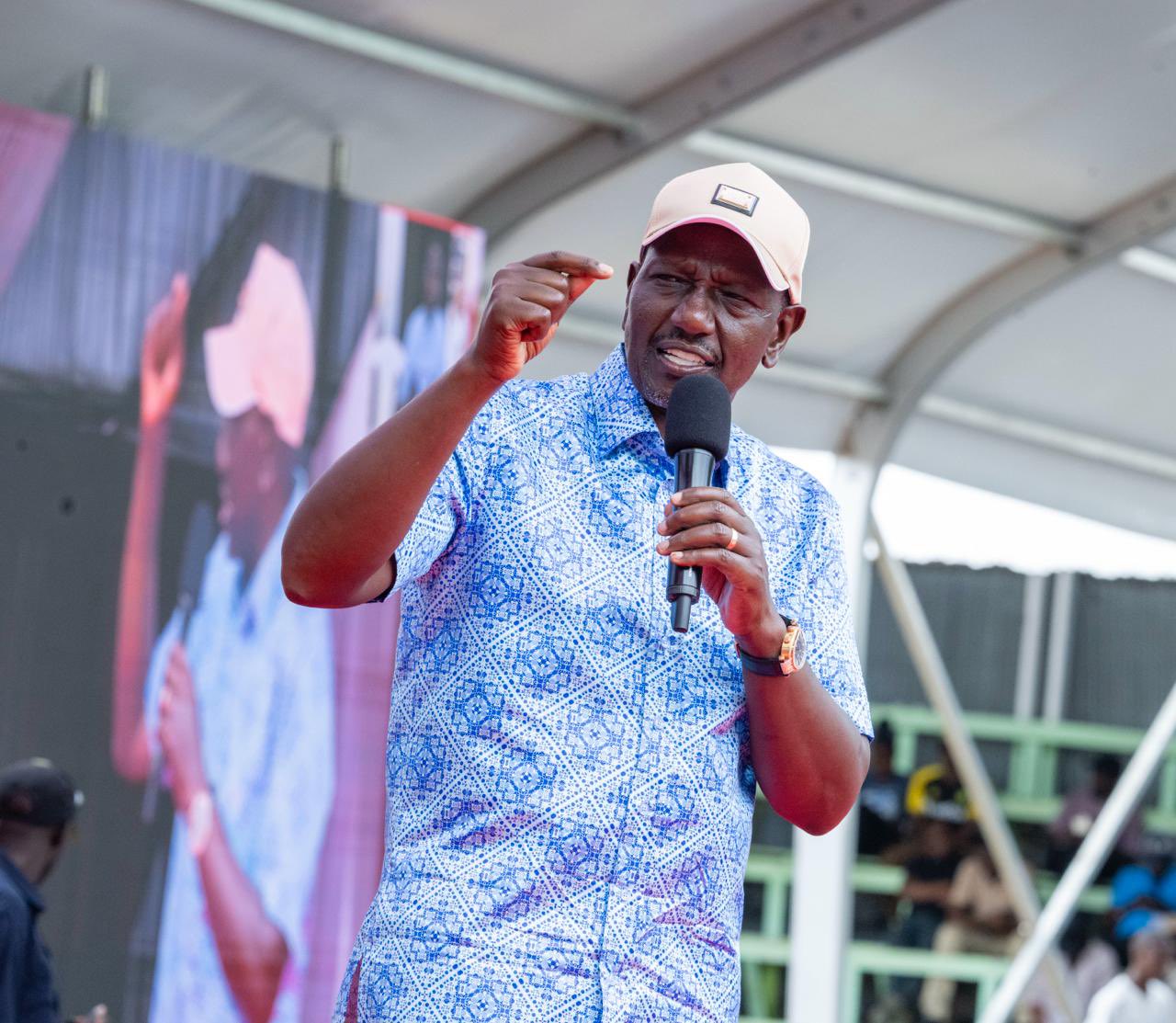
The battle for numbers in the 2027 election has forced President Ruto to go slow on his regime's taxation by revising salary deductions for those in formal employment.
Payslip earners have felt squeezed by Ruto's tax reforms since he took over power in 2022.In his bid to finance his flagship programmes, President Ruto introduced the housing levy and increased deductions towards NSSF and Social Health Insurance Fund.
The unpopular tax reforms triggered a nationwide rebellion, climaxing with the anti-Finance Bill 2024 protests better known as the Gen Z protests.
Consequently, the United Opposition, particularly former Deputy President Rigathi Gachagua, has aggressively courted this constituency of payslip holders in the battle for numbers in 2027.
Analysts see Ruto’s new tax proposal as designed to resonate with a large swath of the formal workforce which is grappling with the thinning payslip.
The President has proposed to waive taxes for Kenyans earning Sh30,000 and below, along with a five per cent reduction in PAYE tax for those earning up to Sh50,000.
“Any Kenyan who earns up to Sh50,000, we are reducing their taxes from 30 per cent to 25 per cent. [Some] 1.5 million Kenyans will not pay any taxes and another 500,000 Kenyans will have their taxes reduced,” Ruto told UDA aspirants on Wednesday last week.
Treasury CS John Mbadi has indicated his ministry will present the Tax Laws Amendment Bill before Parliament for approval of the reforms ahead of the publication of the Finance Bill 2026, just in time for the high-octane 2027 campaigns.
According to the National Exchequer, about 3,650,165 Kenyans are salaried, with 1.5 million earning Sh30,000 and below.
Observers note that while the workforce is not an established vote bloc, the direct impact of the taxes on the earners spending is likely to have an impact on the voting patterns.
The opposition has been campaigning on the platform of restoring the dignity of the payslip, accusing Ruto of overtaxing Kenyans.
Ruto has responded, accusing Gachagua of dividing Kenyans who have a payslip and those who don’t.
However, if Ruto’s plan takes effect, millions of workers could feel some immediate tax relief, especially coming on the backdrop of additional contributions to NSSF, SHA and the housing levy.
Many of these workers have felt the pinch of statutory deductions with little perceived improvement in public services, a sentiment echoed widely on social media and in everyday conversations.
Some employees estimate that up to 40 per cent of their payslip disappear in various statutory levies, even as essential services remain inaccessible.
It is in this context that the opposition and Gachagua in particular, have in their campaign messaging portrayed the working class, including uniformed forces, as neglected by the Ruto administration.
Ruto’s tax relief proposals are therefore seen as an attempt to blunt this narrative and reclaim political ground among the payslip holders.
Mumias East MP Peter Salasya has termed the proposal as a “political bait”.
Salasya, a critic of the President, was fast to note that the same government that “squeezed households dry” now wants to appear compassionate, conveniently at a time elections are approaching.
“Kenyans are not fools. A small PAYE adjustment cannot erase the pain caused by punitive taxation, high cost of living, and a leadership that has normalised economic suffering as if it is a national policy,” he said.
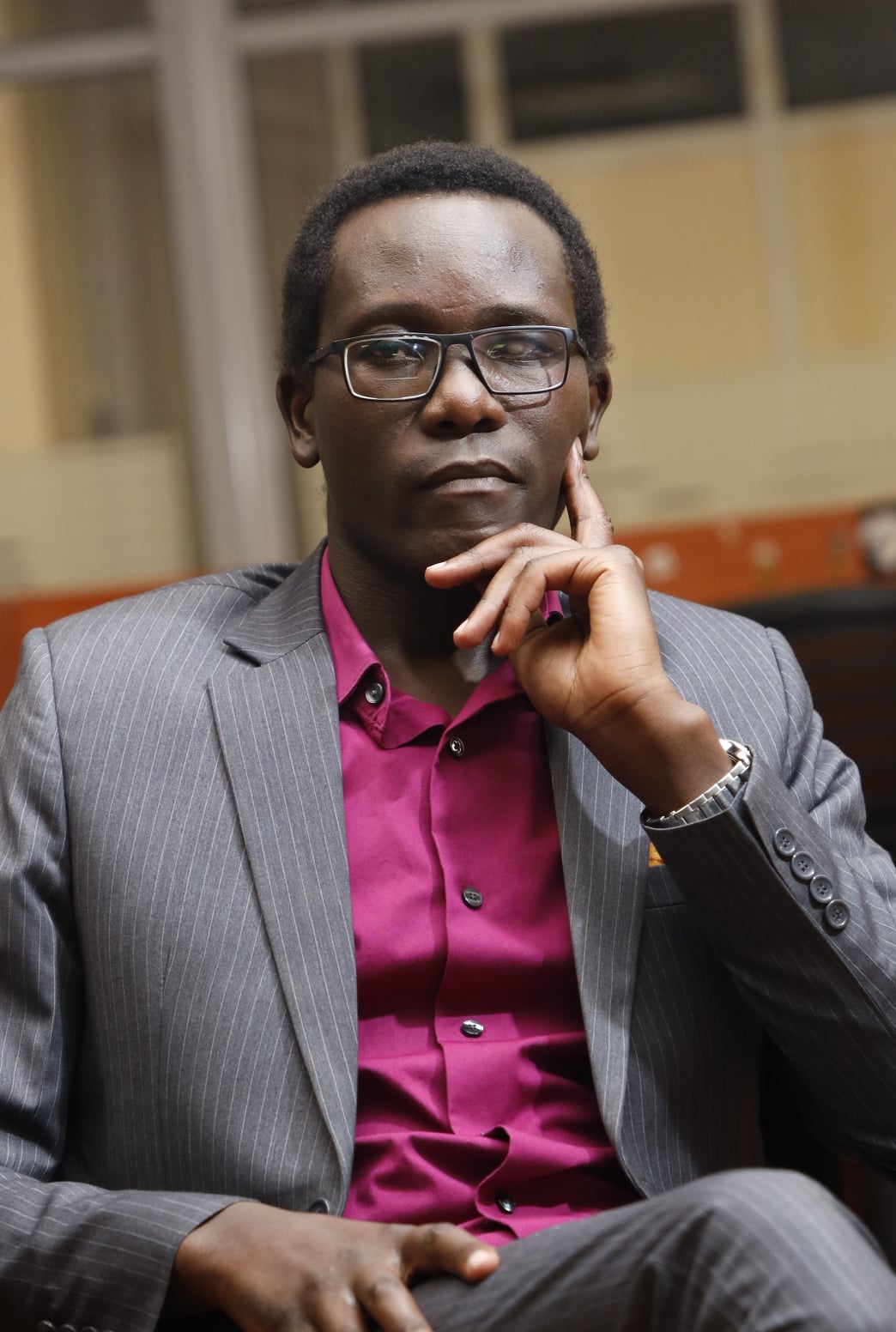
Governance commentator Dr Kipkoech Cheruiyot shares the sentiment, terming the proposal as deceit.
“The net amount they [earners] get after this reduction of taxes will be less than the amount they used to get before Ruto came to power, due to housing levy and SHIF.
“In short, Ruto clandestinely created this massive taxation, and now is very ostentatious about tax cuts,” Dr Cheruiyot noted.
Ruto’s outreach has extended to state and public officers through a car loan scheme.
National Treasury is popularising the State Officers and Public Officers Motor Car Loan Scheme, an initiative offering heavily subsidised vehicle financing for civil servants at a four percent interest rate.
“The scheme enables eligible officers to access affordable motor vehicle financing to support safe, reliable mobility, reduce personal financial strain, and enhance efficiency and effectiveness in public service delivery,” Treasury says.