Matatu operators have suspended a planned nationwide strike that had been scheduled for Monday, offering a temporary reprieve to commuters and allowing ongoing negotiations with key stakeholders to continue.
The decision to call off the industrial action for at least two weeks comes after consultations between representatives of the public transport sector and security agencies, amid growing concerns over insecurity and rising cases of vandalism targeting public service vehicles.
Commuters were bracing for fresh disruptions following last week’s chaos when sections of the matatu industry stayed off the roads.
Intercorridor Mobility representative Joseph Kagai announced the decision, saying operators had opted to act in good faith despite several issues remaining unresolved.
“We have engaged deliberately, and although not all matters have been resolved, we have agreed, out of goodwill, to suspend the Monday strike and continue addressing the outstanding concerns,” Kagai said.
According to Kagai, the talks largely centred on insecurity affecting the transport sector, particularly incidents involving boda boda riders and attacks on matatus in various parts of the country.
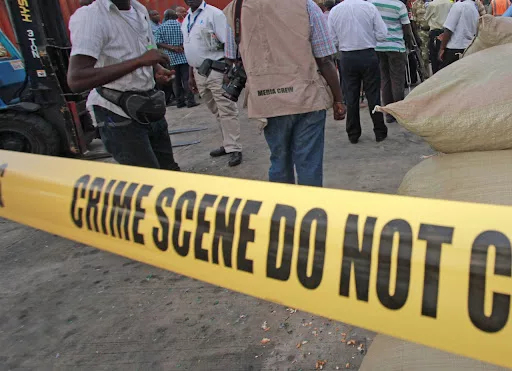
Operators have complained of increased lawlessness, including vandalism of vehicles and harassment of crews, which they say has affected business and passenger safety.
Regional Police Commander George Seda assured operators and the public that law enforcement agencies would take firm action against criminal elements within the sector.
He said police would uphold the rule of law and that anyone found damaging vehicles or engaging in acts of violence would be arrested and charged.
The suspension comes against the backdrop of major disruptions experienced in Nairobi last Monday when conflicting messages from industry players led to widespread confusion.
Despite announcements that a planned strike had been suspended, some matatu operators defied the directive and stayed off the roads, leaving thousands of commuters stranded.
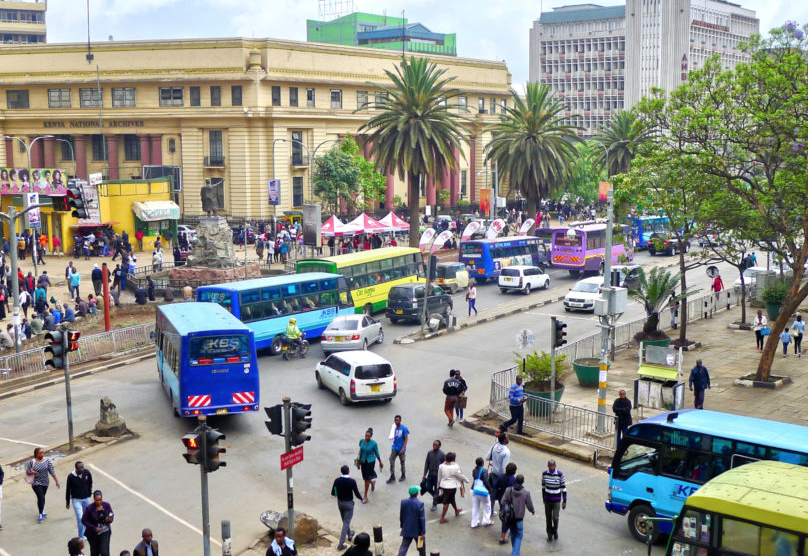
Long queues formed at bus stops across the city as passengers struggled to find transport to work.
Many were forced to walk long distances, while others turned to boda bodas and ride-hailing services, driving up demand and fares.
The disruption was fuelled by sharp divisions within the public transport sector.
A day before the chaos, the Federation of Public Transport Sector (FPTS) had announced that the strike had been suspended following meetings involving matatu operators, boda boda representatives and security agencies.
The federation said the consultations were aimed at de-escalating tensions and finding a lasting solution to disputes between matatus and boda bodas, which have increasingly competed for passengers in urban centres.
However, the Matatu Owners Association (MOA) maintained a hardline stance, insisting that the strike would proceed. MOA accused the government of failing to address what it described as escalating lawlessness among boda boda operators.
MOA president Albert Karakacha said matatu operators had exhausted all other options in seeking government intervention.
“We have written letters and held meetings, but our concerns have been ignored. The only option left is to escalate this matter to the President,” he said.
Boda boda leaders, on their part, distanced themselves from the strike and urged dialogue between the two sectors.
Boda Boda Safety Association national chairman Kevin Mubadi said a work stoppage by matatu operators was unnecessary and risked hurting businesses across the transport ecosystem.