
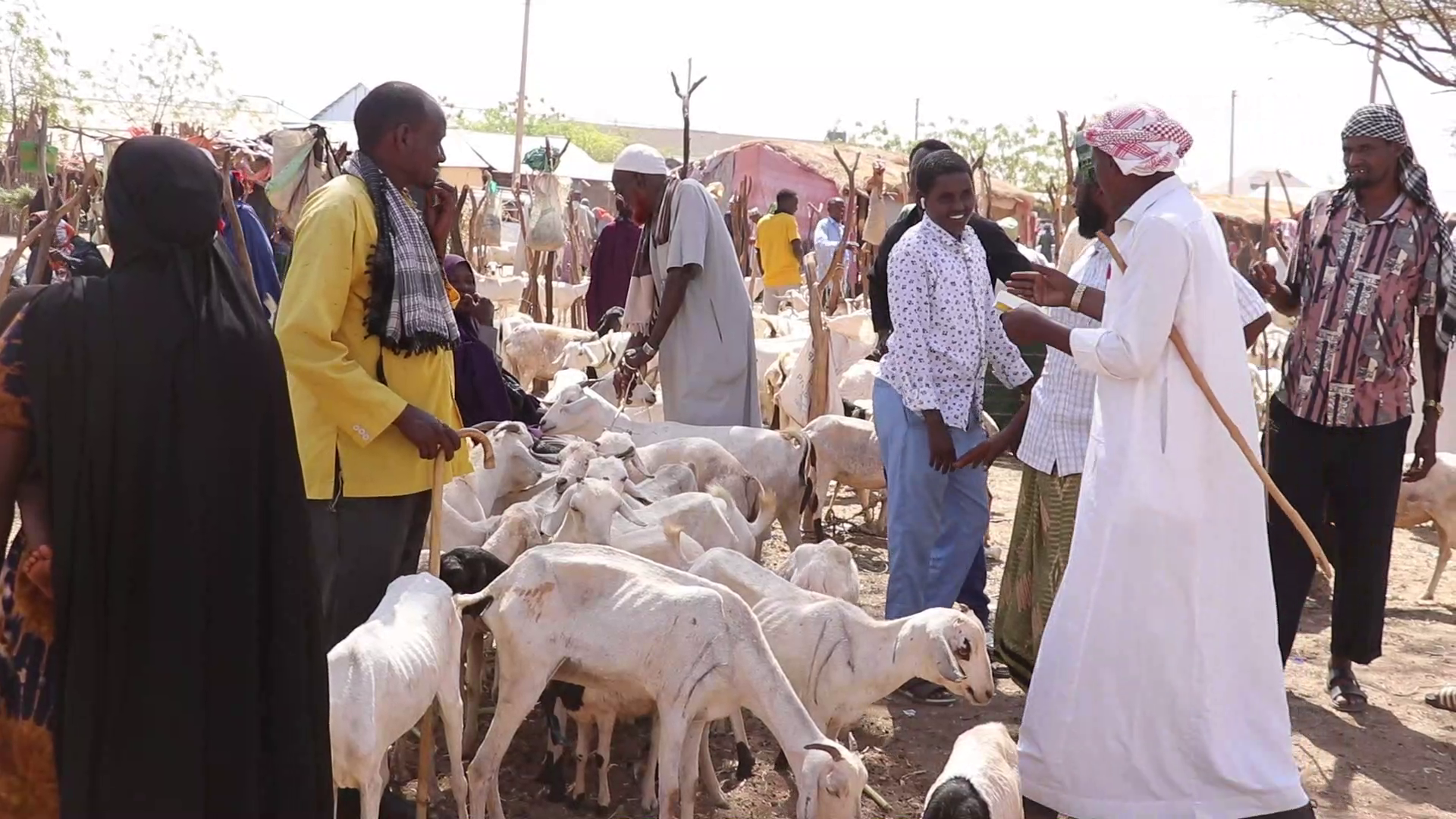
The Wajir government has fully committed to protecting lives and livelihoods as a prolonged drought continues to ravage the region.
Governor Ahmed Abdullahi, who is also the chairperson of the Council of Governors, said the county has intensified drought mitigation measures to cushion affected communities and strengthen long-term resilience.
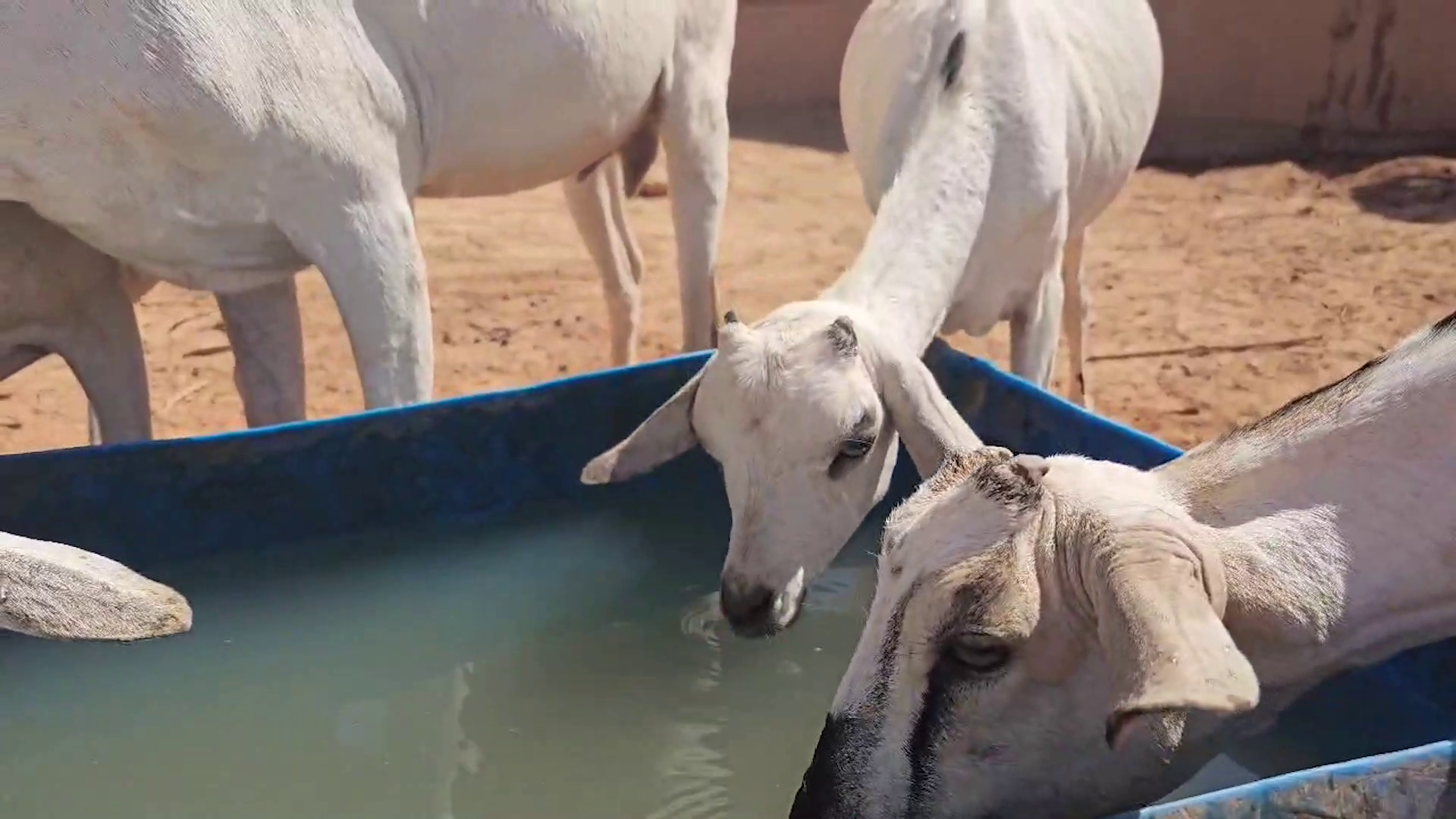
He said key interventions include expanded water trucking to all affected areas for both domestic and livestock use, with water bowsers deployed across the county, borehole rehabilitation, livestock support programmes and the distribution of relief food.
“We are on course with our drought mitigation measures, including water trucking, borehole rehabilitation, livestock support, food relief distribution and bursary disbursement to support needy families and keep our children in school,” Abdullahi said.
The governor stressed that close coordination between the county and national governments, development partners, humanitarian agencies, community organisations and other stakeholders is critical to ensuring the efficient use of limited resources.
He also appealed to pastoralist communities in Wajir to coexist harmoniously and share scarce resources peacefully.
“As we are all aware, drought has hit our region really hard following three consecutive failed rainy seasons. And so we are in this together. Let us share the little available resources in peace,” Abdullahi said.
His remarks come amid growing concern over the deepening drought crisis. Earlier this week, the Kenya Red Cross Society raised the alarm over a worsening situation affecting more than two million people across the country.
The Red Cross said eight counties are currently experiencing a critical phase, marked by severe deterioration in nutrition, particularly among children.
According to the organisation, Turkana, Mandera, Samburu, Garissa, Isiolo, Marsabit (North Horr and Laisamis), West Pokot (East) and Baringo (Tiaty) are in the critical category, while Wajir, Tana River and West Pokot (West) are classified as being in a serious phase.
The humanitarian agency estimates that about 784,000 children are malnourished, while nearly 300,000 households lack adequate food supplies.
The situation follows three consecutive failed rainy seasons — the October–December 2024 short rains, the March–May 2025 long rains and the October–December 2025 short rains.
As a result, livestock are trekking longer distances in search of water and pasture, leading to poor body condition and declining milk production. This has weakened household purchasing power and further undermined food and nutrition security.
The most affected groups include children under five, pregnant and lactating women, older persons and persons with disabilities. Increased livestock migration within Wajir and from neighbouring counties has also heightened pressure on scarce resources, raising the risk of conflict.
Last week, Children ServicesCabinet Secretary Hanna Cheptumo said the government is responding decisively to the drought, particularly by cushioning learners and improving school retention in affected areas.
She said the government has data on affected learners and has rolled out targeted interventions, including an Emergency Support and Mentorship Programme that will provide free lunches to more than 26,000 secondary school students in 137 public schools.
MPs from arid and semi-arid lands counties last month urged the government to declare the drought a national disaster, citing escalating distress among pastoralist communities.
Led by Eldas MP Adan Keynan, chairperson of the Northern Kenya Parliamentary Group, the legislators said such a declaration would unlock emergency funding, streamline the humanitarian response and enable international partners to scale up interventions.