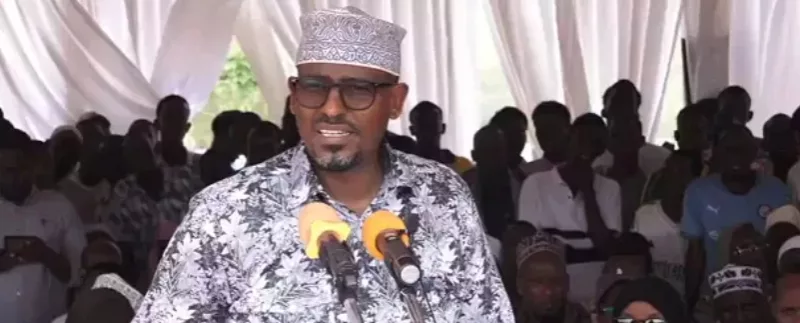
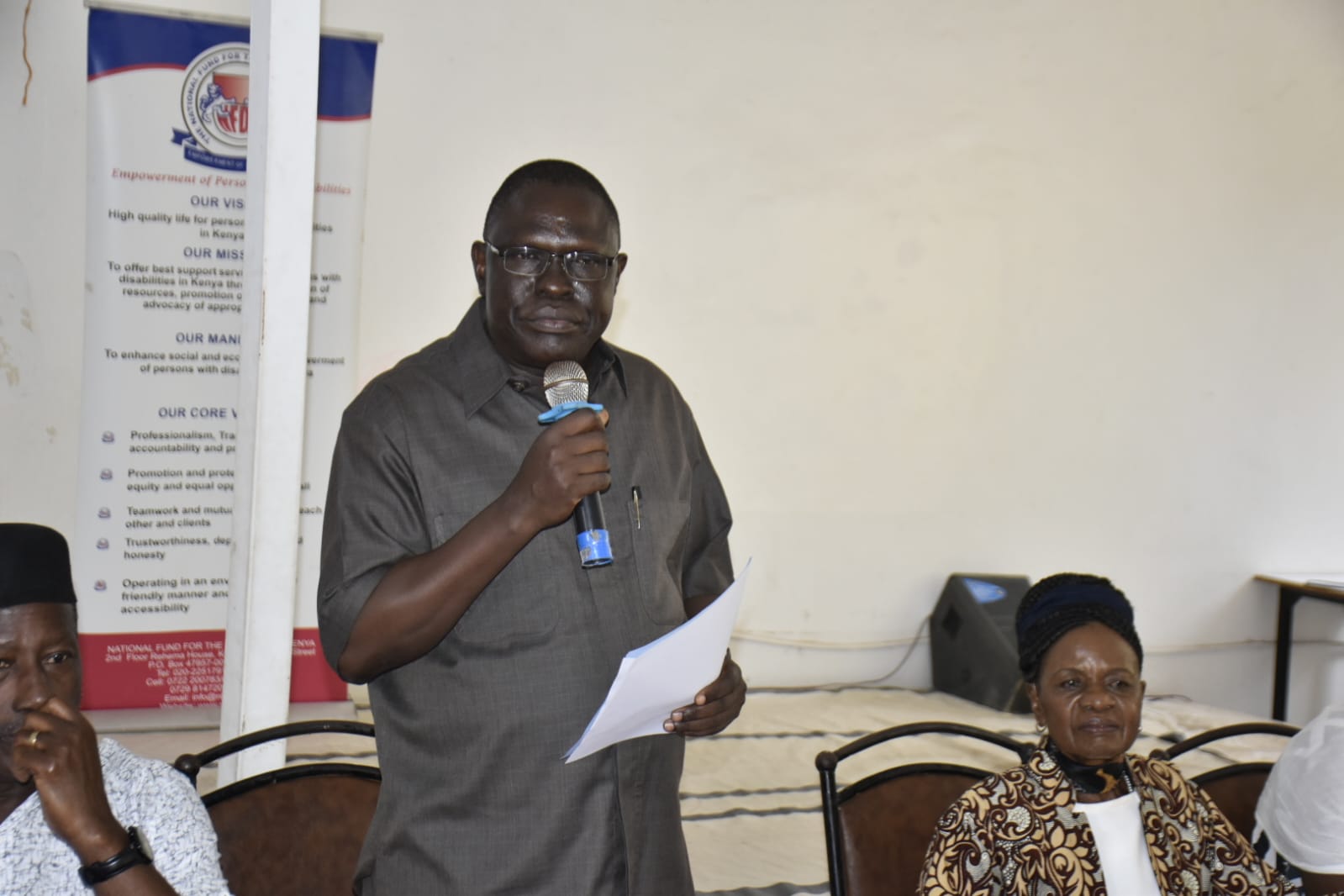
 Northeastern regional commissioner John Otieno speaking at
the event. /STEPHEN ASTARIKO
Northeastern regional commissioner John Otieno speaking at
the event. /STEPHEN ASTARIKO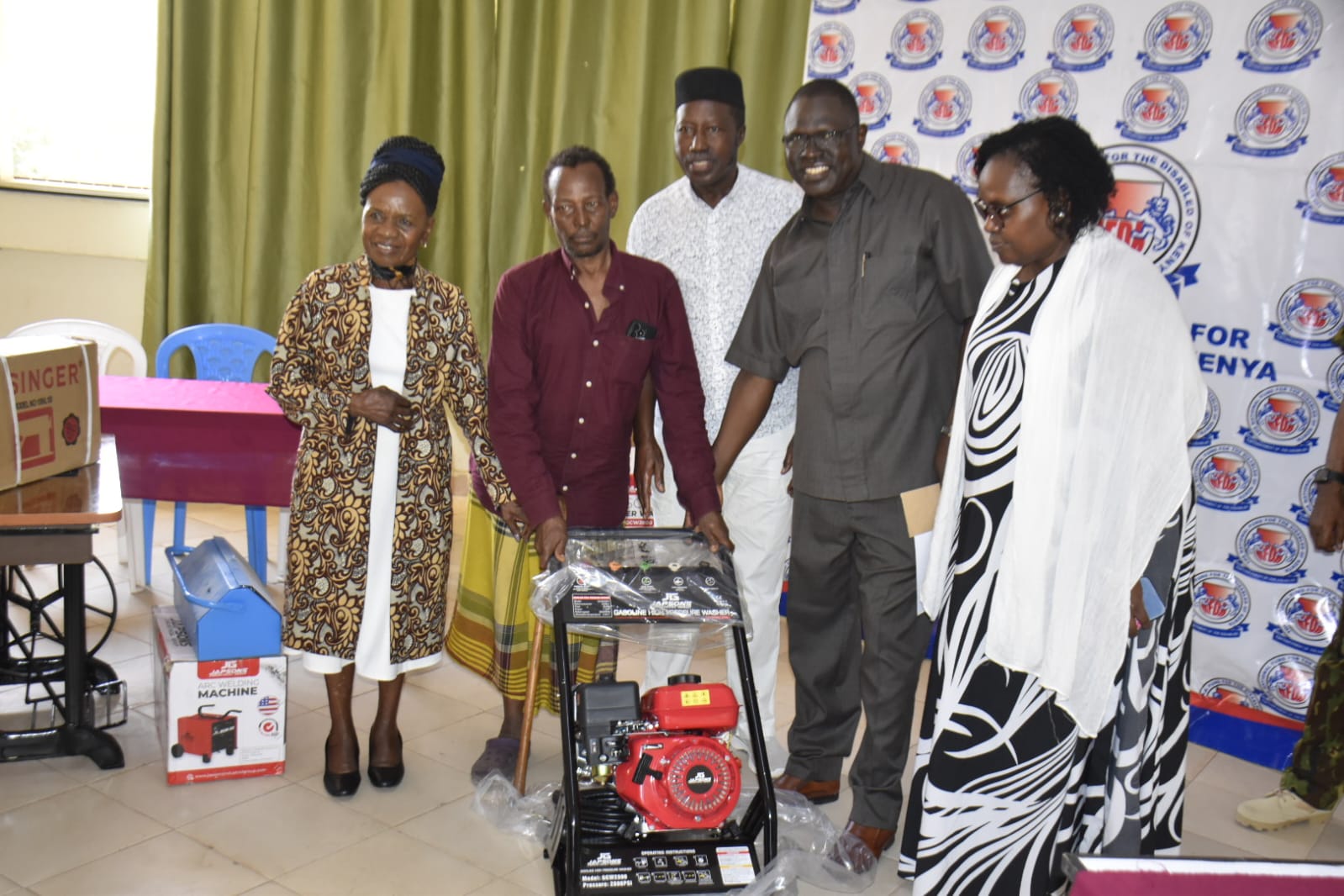 Abdikadir Yussuf, a PWD, receives car washing machine from
NDFK officials and Northeastern regional commissioner John Otieno./STEPHEN
ASTARIKO
Abdikadir Yussuf, a PWD, receives car washing machine from
NDFK officials and Northeastern regional commissioner John Otieno./STEPHEN
ASTARIKO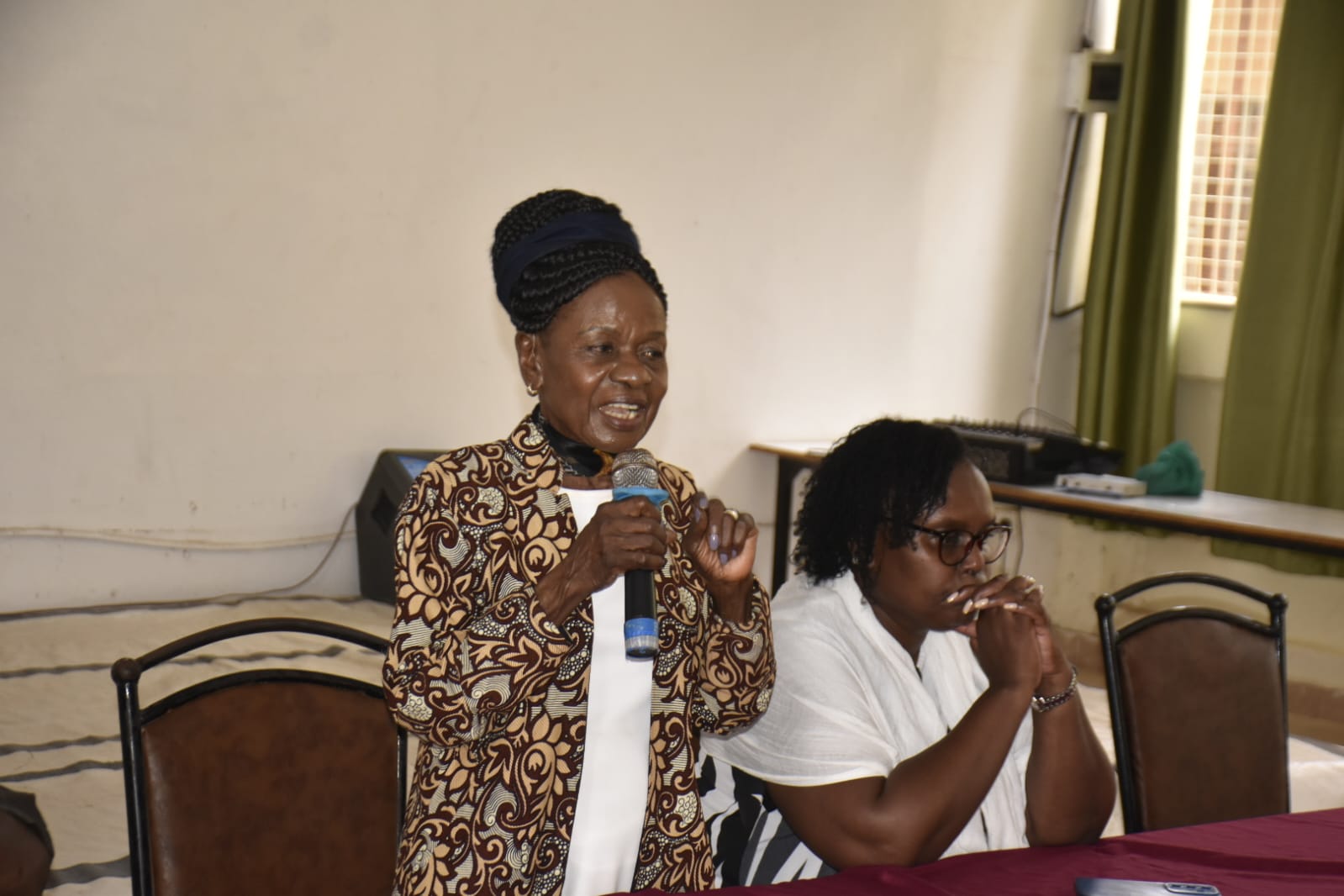 The NFDK programmes committee chairperson Prof Julia
Ojiambo, speaking at the event./STEPHEN ASTARIKO
The NFDK programmes committee chairperson Prof Julia
Ojiambo, speaking at the event./STEPHEN ASTARIKO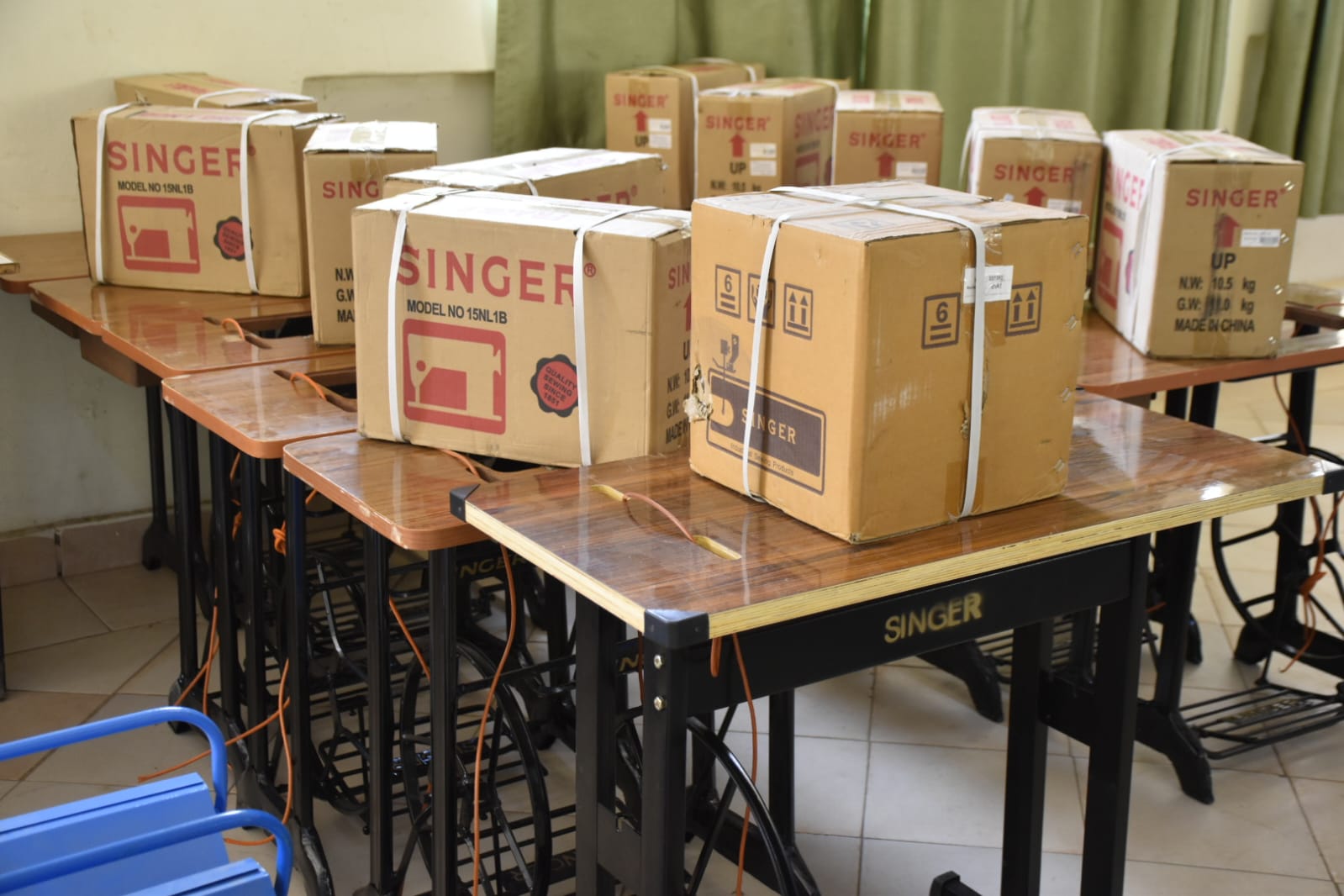 Some of the sewing machines were donated by the National Fund for the Disabled of Kenya. /STEPHEN ASTARIKO
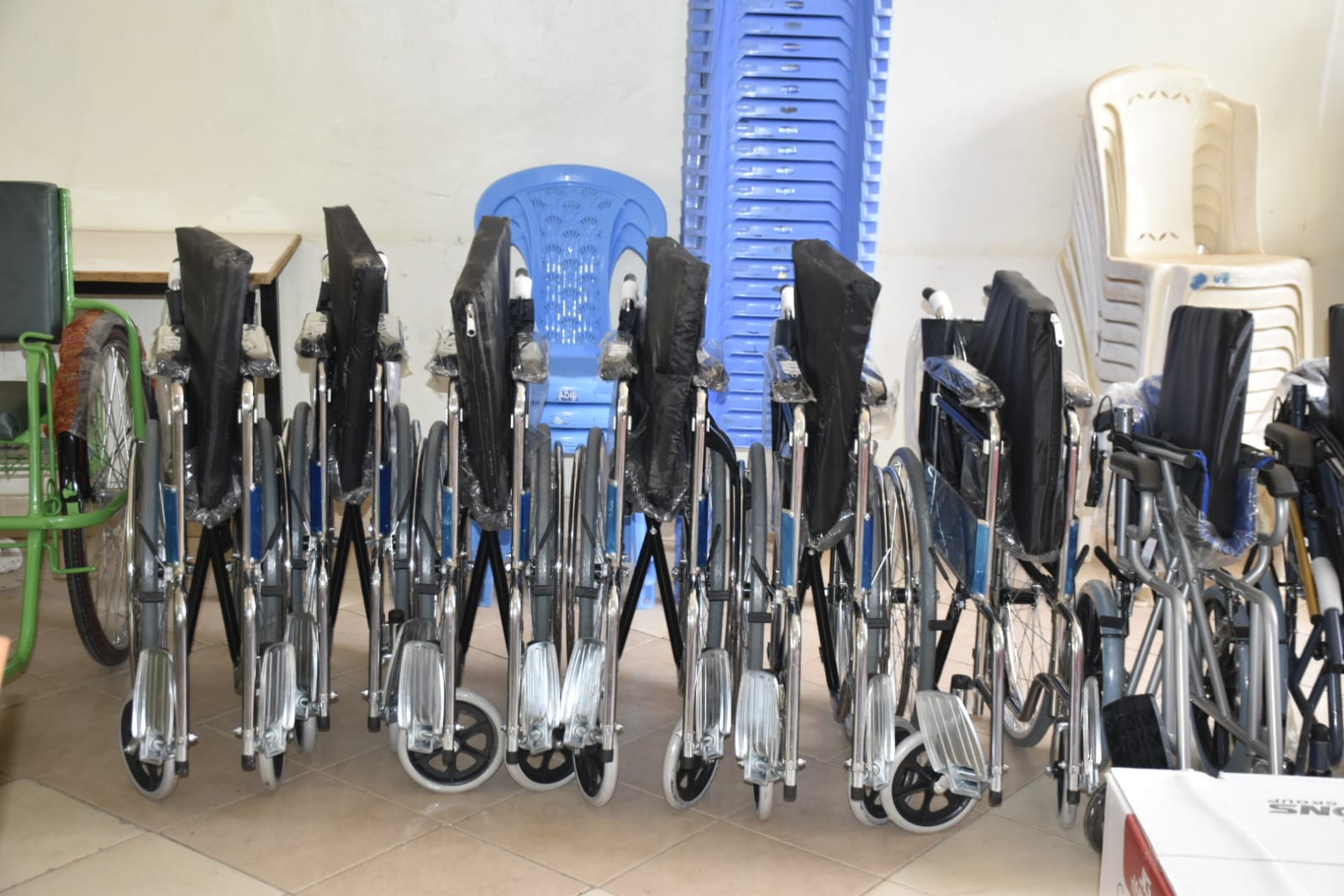 Some of the wheelchairs that were donated by the National Fund for the Disabled of Kenya. /STEPHEN ASTARIKO
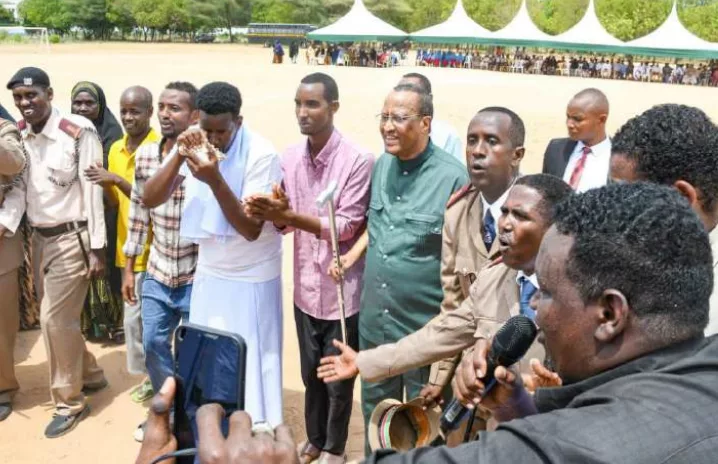
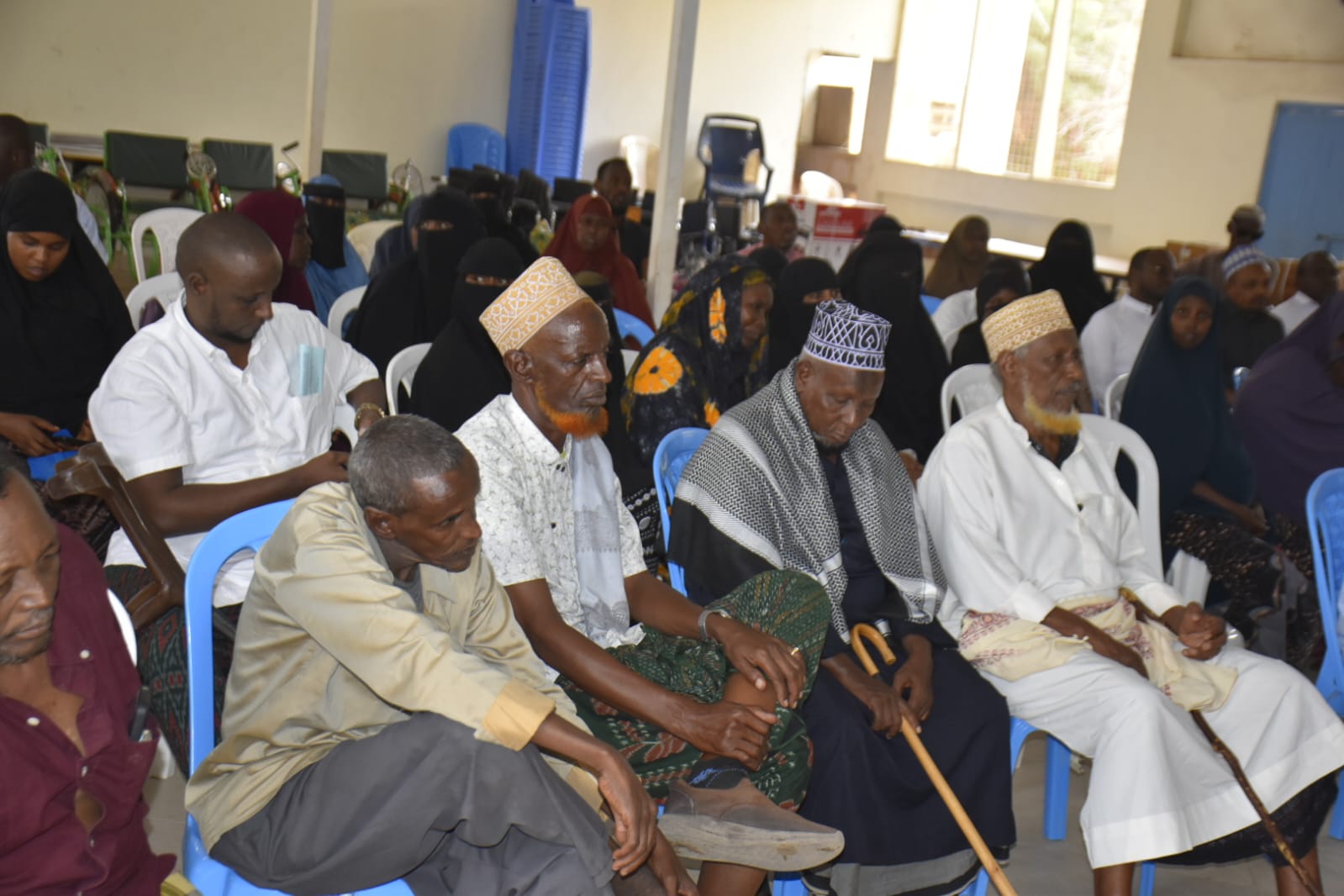 PWDs from Garissa at the event. The National Fund for the
Disabled of Kenya donated assorted assistive devices and tools to PWDs from the Northeastern region valued at Sh3.7 million. /STEPHEN ASTARIKO
PWDs from Garissa at the event. The National Fund for the
Disabled of Kenya donated assorted assistive devices and tools to PWDs from the Northeastern region valued at Sh3.7 million. /STEPHEN ASTARIKOPeople with disabilities in the Northeastern region have every reason to smile.
This is after the National Fund for the Disabled of Kenya today donated assorted assistive devices and tools of trade valued at Sh3.7 million.
Speaking during the distribution of the donations at the government guest house in Garissa town today, NFDK Programmes Committee Chairperson Prof. Julia Ojiambo said the donation was for the three counties of Garissa, Wajir and Mandera.
The donations included wheelchairs, walking crutches, car wash, sewing and welding machines, among others.
In addition, NFDK presented 12 institutions with small grants totaling Sh2.4 million to help in infrastructural development and income-generating activities in the institutions to ensure learners with disabilities are well accommodated and catered for. In total, the donations and grants amount to Sh6.1 million for the North Eastern region.
Prof Ojiambo said the government was committed to empowering people with disabilities to meet their needs in a sustainable and dignified manner, thus reducing dependency on society.
“These donations are meant to promote self-reliance and resilience for persons with disabilities. They are part of enhancing social and economic empowerment for this very important group in our society,” Prof Ojiambo said.
“One way to do this is through the provision of assistive devices and vocational tools of trade to individual persons with disabilities and grants to institutions for learners with disabilities,” she added.
She encouraged the beneficiaries to use the items, whether tools of trade or grants, for the intended purpose so that they can truly support their livelihoods and create a lasting impact for themselves, their families, and communities.
The chairlady said that NFDK recognises that disability inclusion cannot be achieved by one institution alone but requires strong collaboration between national and county governments, development partners, community leaders, families and persons with disabilities themselves.
“This is our commitment to ensuring that disability inclusion reaches every part of the country, including marginalized and hard-to-reach regions,” Prof Ojiambo noted.
“We are therefore calling on all stakeholders to continue supporting initiatives that promote access, equity and economic empowerment for persons with disabilities, ensuring that inclusion is sustained beyond today’s event,” she said.
Northeastern Regional Commissioner John Otieno, on his part, called on residents to embrace and support persons with disabilities (PWDs), noting that they are no different from other members of society and are only abled differently.
Speaking during the distribution of assistive equipment to persons with disabilities, Otieno said stigma remains one of the biggest challenges facing the group, urging parents and guardians to bring out children living with various forms of disabilities so that they can access government support.
He warned that hiding children with disabilities at home amounts to denying them their fundamental rights, adding that the government will not hesitate to take stern action against those found culpable.
“As a government, we remain committed to uplifting the lives and livelihoods of this group. The exercise we are carrying out today is one such initiative. The same assistance has also been extended to schools with special needs,” Otieno said.
He reaffirmed the government’s commitment to inclusivity, saying persons with disabilities remain a key part of the country’s development agenda.
“Persons with disabilities should know that, as a government, we will never leave them behind. They remain part and parcel of the government’s development agenda,” he added.
Hibo Salab, a person living with a disability, thanked the government for the support, saying PWDs still face numerous challenges, particularly when seeking government services in buildings that lack ramps and other accessibility features.
“We feel honoured to receive this equipment, which will go a long way in realising a dignified living. This is something we have all wished for,” she said.
She further noted that extending similar assistance to schools with children who have special needs would greatly improve their learning environment.
“Extending the same assistance to schools with kids with special needs will go a long way in making their lives more comfortable and learning more friendly,” she added.