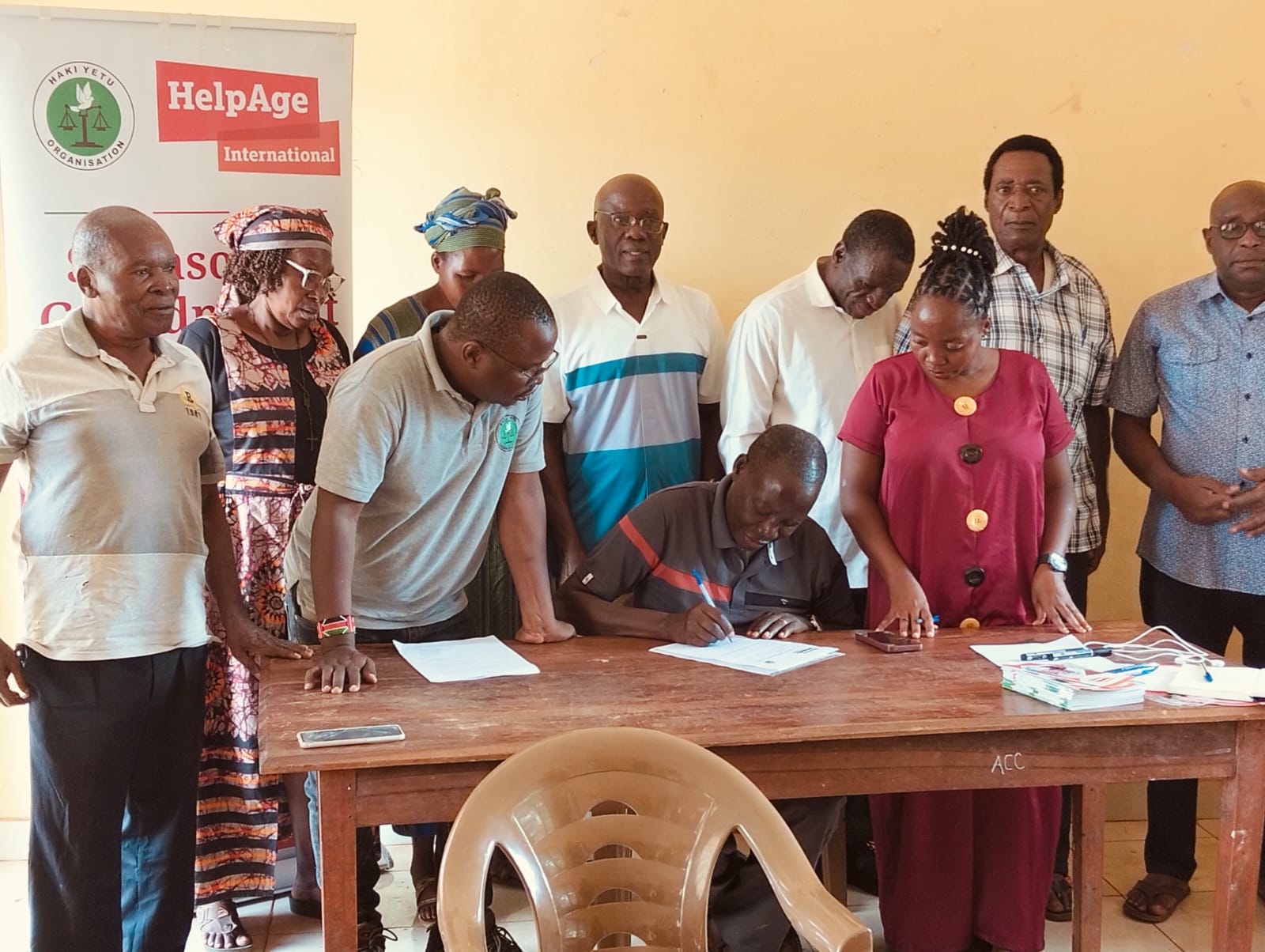
 Haki Yetu’s Julius Wanyama [Front row 2nd
L] and Matano Manne community chair James Harre [seated]at Matano Manne on
Sunday / BRIAN OTIENO
Haki Yetu’s Julius Wanyama [Front row 2nd
L] and Matano Manne community chair James Harre [seated]at Matano Manne on
Sunday / BRIAN OTIENO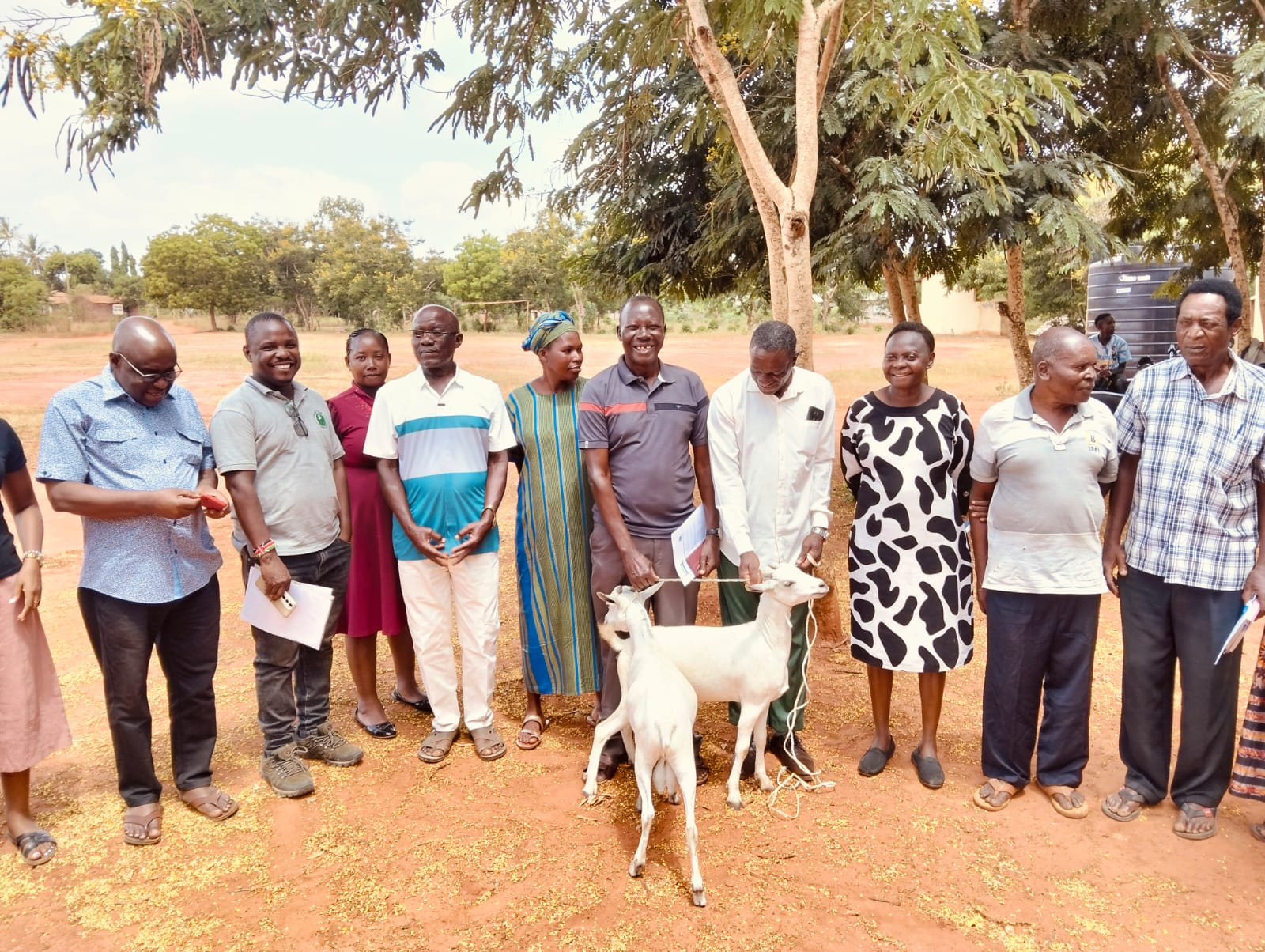 Haki Yetu’s Julius Wanyama [2nd L] and Matano
Manne community chair James Harre at Matano Manne on Sunday / BRIAN OTIENO
Haki Yetu’s Julius Wanyama [2nd L] and Matano
Manne community chair James Harre at Matano Manne on Sunday / BRIAN OTIENO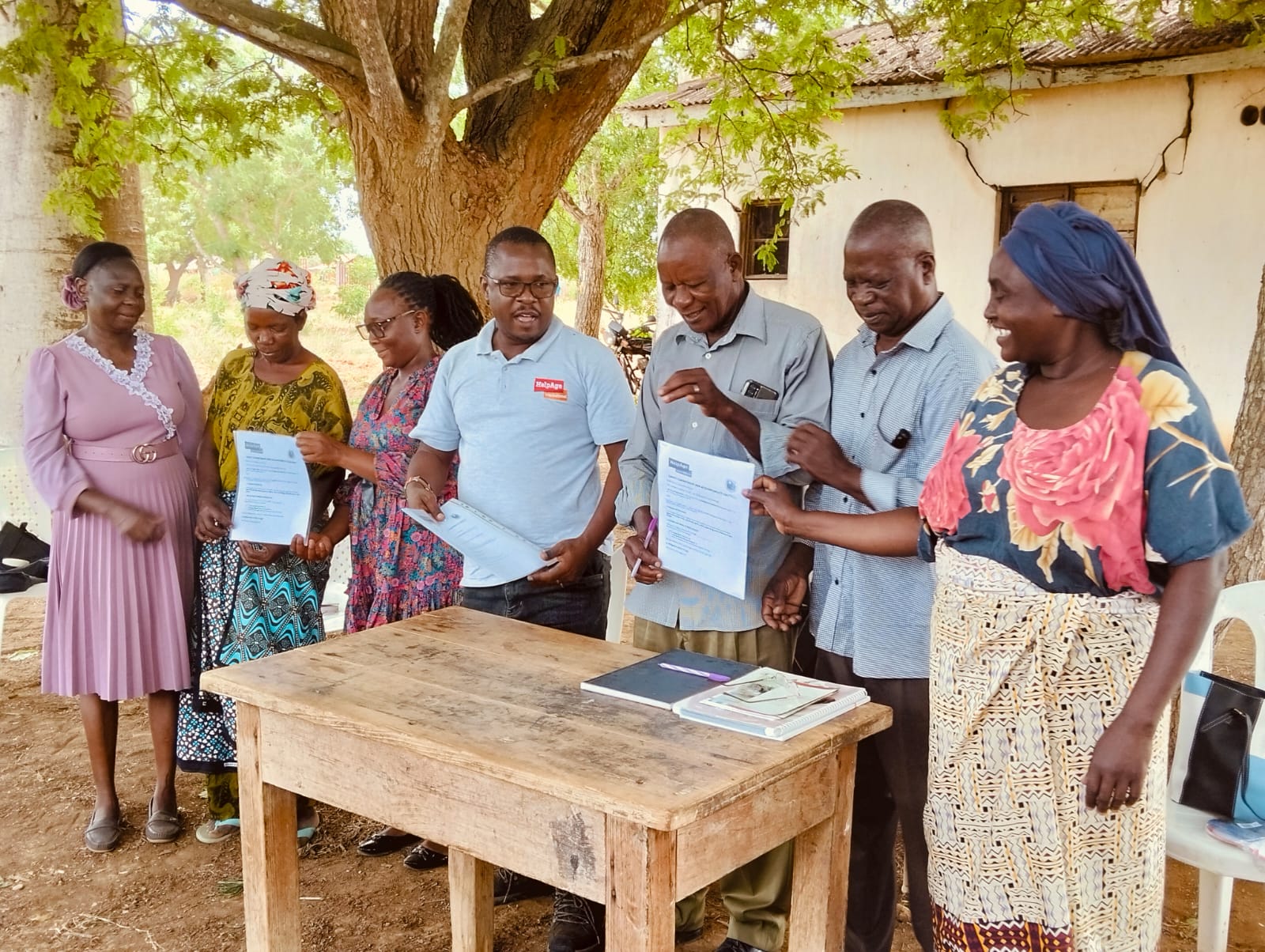 Haki Yetu’s Julius Wanyama [4th L], Avopa secretary Julius Henry and chair Nathaniel
Menza at Vitengeni on Sunday / BRIAN OTIENO
Haki Yetu’s Julius Wanyama [4th L], Avopa secretary Julius Henry and chair Nathaniel
Menza at Vitengeni on Sunday / BRIAN OTIENO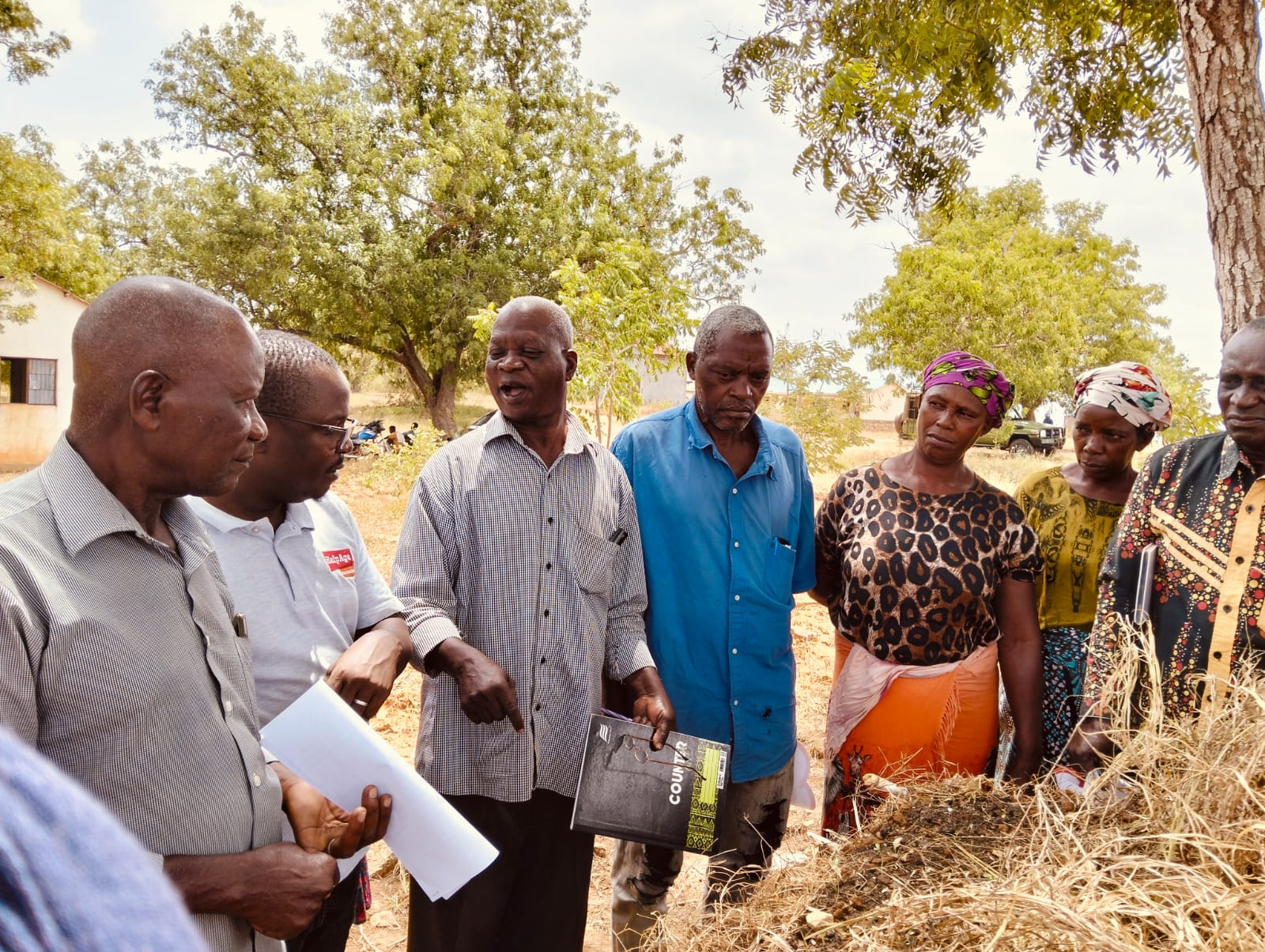 Avopa secretary Julius
Henry [L], Haki Yetu’s Julius Wanyama and Avopa chair Nathaniel Menza at
Vitengeni on Sunday / BRIAN OTIENO
Avopa secretary Julius
Henry [L], Haki Yetu’s Julius Wanyama and Avopa chair Nathaniel Menza at
Vitengeni on Sunday / BRIAN OTIENOAbandoned by their families over witchcraft allegations, elderly people in the Vitengeni area of Ganze subcounty are turning to agribusiness for survival.
Ganze is one of the riskiest places to live in for the elderly because they are targeted for elimination over suspicion of witchcraft, a report by Haki Yetu Organisation says.
The report was launched in December last year. It provided a 12-month review of the situation of older people in Kilifi's nine subcounties.
The findings showed that Ganze subcounty had the highest number of elderly people either killed, physically abused, psychologically tortured, and neglected or abandoned.
There were 774 cases of physical abuse, psychological torture, neglect and abandonment, and killings of the elderly persons in Ganze subcounty alone.
That was more than double the numbers reported in Kaloleni subcounty, which had the second highest number of cases at 326.
The report covered the period between December 2024 and November 2025.
In total, 1,572 cases of physical abuse, psychological torture, neglect and abandonment, and killings of the elderly persons were recorded during that time in Kilifi County.
The number is likely higher because Malindi subcounty did not give their data.
The report has pushed Haki Yetu Organization and HelpAge International to intervene. Under the umbrella of the Amani Vitengeni Older Persons Association (AVOPA), most of the victims are now seeing some light at the end of the tunnel.
“Most of us had been going through the last steps of our lives as the walking dead. We are still alive, but we felt dead already,” AVOPA chairman Nathaniel Menza said on Sunday.
He was speaking at an intergenerational meeting organized by the two NGOs in Vitengeni. Menza said most of them do not enjoy their fundamental rights because of their abandonment and killing.
AVOPA secretary Julius Henry said they decided to get into agribusiness, planting nursery seedlings to keep them busy while at the same time earning something that could sustain them.
“Some of our children have abandoned us after we did everything for them. They just find ways to make us look bad and take us to live in some places far away from our homes. Some of us are labeled as witches,” Henry said.
Haki Yetu program officer Julius Wanyama said the killing of the elderly in Ganze is a phenomenon that is now being replicated in other parts of the country like Kisii.
Wanyama said in the period between December 2024 and November 2025, the number of the elderly people killed in Kilifi county on suspicion of practicing witchcraft is 93. Ganze had the highest casualties with 36 killings.
Vitengeni assistant chief Millicent Pendo said agribusiness efforts have helped to significantly reduce the number of cases.
In the Matano Manne area, also in Ganze subcounty, more elderly people have already joined the agribusiness ventures.
On Sunday, they signed an agreement with the Haki Yetu Organization and HelpAge International, with the two organizations helping them rear and sell livestock.
James Harre, the Matano Manne community chairman, said some of them have not seen eye-to-eye with any of their close relatives for years.
“We are being accused of practicing witchcraft and bringing misfortune to our own families. That is why we have been abandoned and cut off from our families,” Harre said.
“That is why we have decided we will not let our ages stop us from fighting for our own lives. We will rear livestock and sell them to keep us going,” he said.
In both the Vitengeni and the Matano Manne meetings, most of the elderly were retirees.
They fear their expertise will not be passed down to future generations because of their ostracization.
According to Wanyama, the biggest issue that emerged from both meetings was the lack of communication between the older generation and the younger one.
“You find the youth complaining that their fathers and grandfathers favoured certain children. That is where the problem starts. Those who feel unfavored are bitter and start labeling their parents witches,” Wanyama said.
He said lack of consultation between parents and children also fosters frost relations, especially when it comes to inheritance.
“You find a son who wants to sell a piece of family land, maybe to help their sick father or mother, only to find out the piece of land had been sold to another person already. The father had sold the land to someone else and that someone else was still looking for money to develop it,” Wanyama said.
This, he noted, breeds anger in the children, and they start labelling the father a witch out of bitterness.
INSTANT ANALYSIS:
Dubbed “A 12-month review of the situation of the older people in Kilifi county”, the report, done by Haki Yetu Organization, through the Elderly Persons Steering Committee established by the Kilifi county government, is the first of its kind that provides real data on the number of abuses and killing meted against the elderly in Kilifi county. This is the first time there is official data involving the elderly.