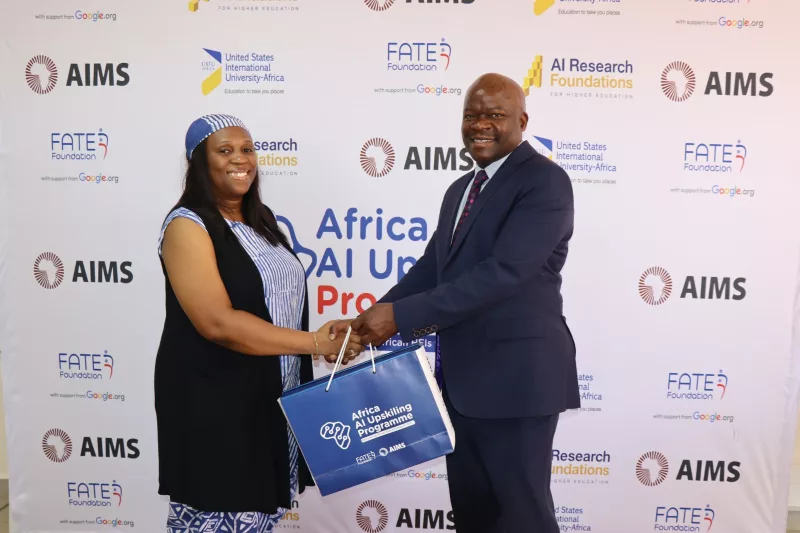
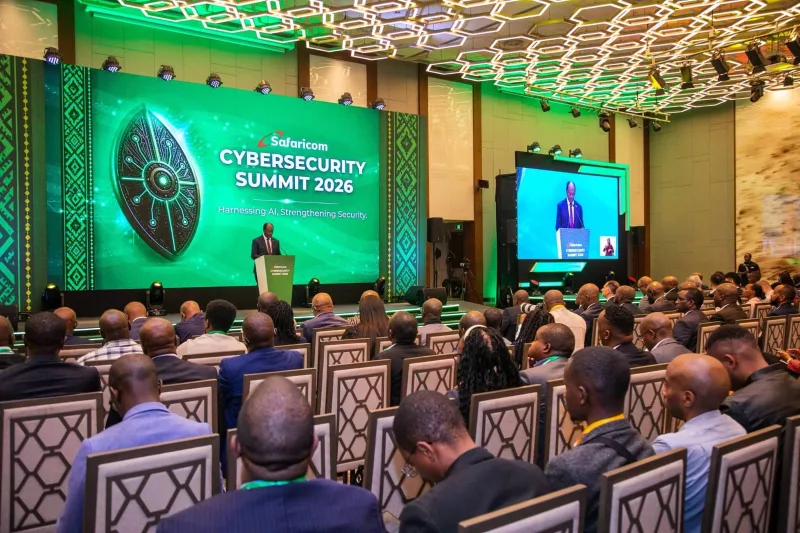
 Wikimedia Kenya Executive Director Winnie Kabintie during Wikipedia at 25 celebrations in Nairobi on January 30, 2026./FELIX ASOHA
As Wikipedia marks its 25th anniversary, Wikimedia Kenya is celebrating significant strides in closing content gaps on the global online encyclopedia particularly around Kenyan history, culture, women, local leadership, and underrepresented communities.
Through campaigns such as Wiki Loves Africa, Months of Kenya’s Cinema, SheSaid, Wiki for Human Rights, and Art+Feminism, the organization has worked tirelessly to document and preserve Kenya’s diverse narratives, including the promotion of Swahili, the country’s national language.
Wikimedia Kenya Executive Director Winnie Kabintie noted that these efforts have not only increased the volume of Kenyan content on Wikipedia but also improved its quality and global visibility.
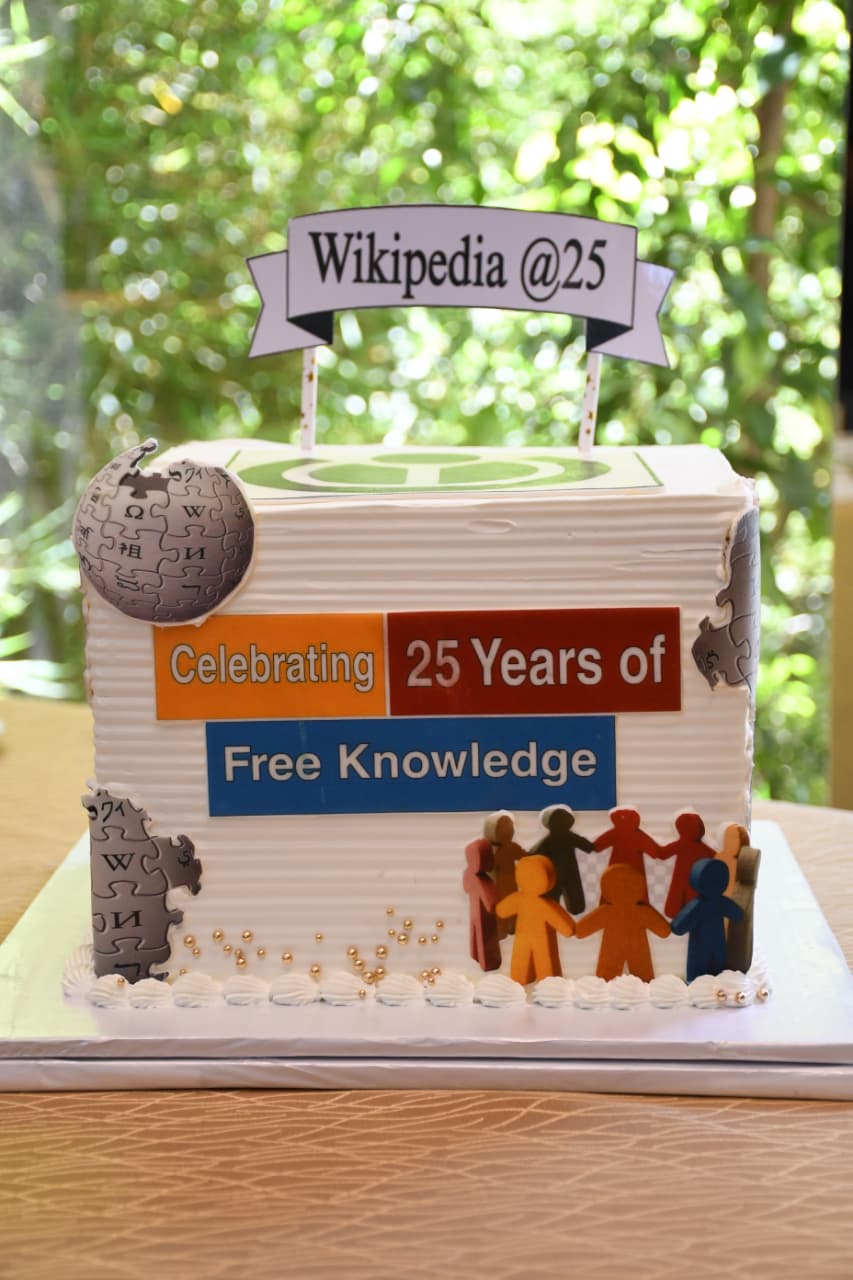
“As Wikimedians in Kenya, we have achieved so much in terms of accurate documentation and representation of Kenya’s content on Wikipedia. In the five years of our existence, we have improved over 1,500 articles and created new ones about our people and our culture,” Kabintie said during the anniversary celebrations held on Friday in Nairobi.
She underscored the importance of this work in the age of artificial intelligence, noting that AI systems rely heavily on existing online information.
“We are living in an AI world, and AI leverages existing online content. Because Kenya has historically been underrepresented in terms of content diversity, the information generated on AI platforms has often been biased,” she explained.
Looking ahead to the 2027 general elections, Kabintie said Wikimedia Kenya plans to intensify efforts to safeguard the integrity of political content on Wikipedia. This includes monitoring and flagging misinformation and disinformation, particularly on profiles and biographies of political leaders.
She also revealed that Wikimedia Kenya will, within the next week, launch Kenya’s first Wiki Club at Pwani University, focusing on Swahili language documentation.
“The Coast region is often marginalised. For instance, many Kenyans in Nairobi know very little about communities such as the Giryama and the Mijikenda. Our approach is to work region by region—documenting cultures and digitizing existing knowledge,” she said.
Terry Boke, a member of the Wikimedia Kenya User Group, highlighted the organization’s growing impact in knowledge sharing across Kenya and Africa, particularly in education and gender equality.
“As a community, we have achieved a great deal. There is now much more information on Wikipedia about Kenya and Africa, and the visibility we have gained is significant. We have also trained young people on how to use Wikipedia and other online platforms,” she said.
The Wiki for Human Rights campaign in Kenya has, over the past three years, improved more than 600 articles and translated over 200 articles into Kiswahili, advancing the goal of accessible and inclusive knowledge.
Additionally, through the Months of African Cinema and Afro Creatives campaigns, Wikimedia Kenya has over the last five years created more than 300 articles on Kenya’s creative, television, and film industry, improved over 2,000 pages, and added more than 400 images to Wikimedia Commons.
Despite these achievements, the organization continues to face challenges, including a shortage of reliable citations from mainstream media outlets and limited awareness among Wikipedia editors about certain industries.