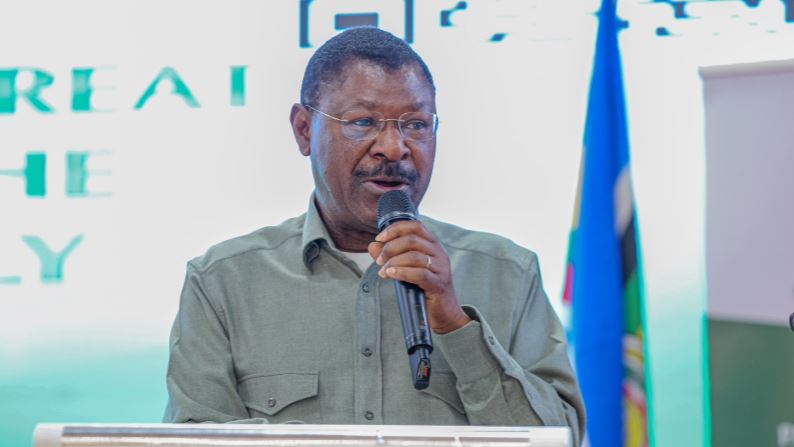
National Assembly Speaker Moses Wetang’ula has said more than half of sitting Members of Parliament are unlikely to return to Parliament after the next general election, citing a high attrition rate revealed in an actuarial report.
Wetang’ula said an actuarial report presented during a committee on pensions that he chaired showed that the average attrition rate for MPs stands at 56 per cent.
“Yesterday, I was chairing a committee on pensions, and an actuarial report shows that on the average our attrition rate is 56 per cent,” the Speaker said.
He noted that the figures mean that a significant number of current legislators will not retain their seats in the next election.
“So as we sit here, at least 56 per cent will not see the inside of Parliament next election, and we want to make sure that there must be life, and good life after you leave Parliament," Wetang’ula said.
The Speaker said the findings underscore the need to ensure that former legislators are able to sustain themselves once they exit parliamentary service.
He said there was a need to put measures in place to guarantee life after Parliament, stressing that it should be a good life for those who leave public office.
Wetang'ula was speaking when he presided over the 2026 Legislative Retreat of the National Assembly at the Lake Naivasha Resort, Nakuru County.
The retreatwas convened under the theme “Securing Parliamentary Legacy: Delivering the Fifth Session’s Agenda and Preparing for Transition.”
According to Wetang'ula, the forum offers a defining moment, approximately 17 months before the next General Election.
He urged MPs to pause, reflect and refocus on their cardinal duty in the August House as political activity inevitably intensifies.
Wetang'ula reminded the legislators that they possess the ‘power of the purse’, and that they should place great emphasis on the Estimates and numerical adjustments to the budget during the budget-making process, in order to give priority to the underlying policy considerations that directly correspond to the Estimates and figures.