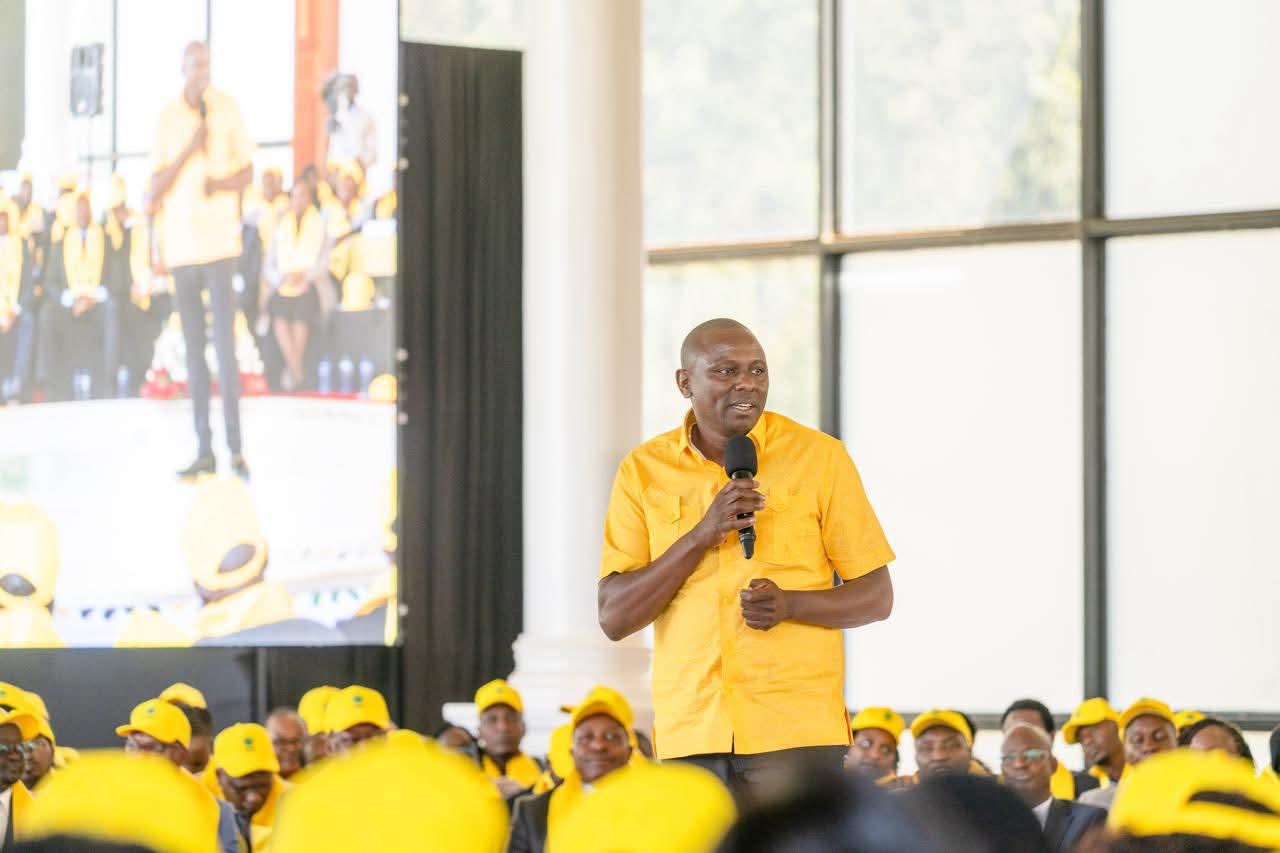
National Assembly Majority Leader Kimani Ichung’wah has continued to defend the proposed National Infrastructure Fund, saying it offers Kenya an alternative way of financing large-scale development projects without raising taxes or increasing public debt.
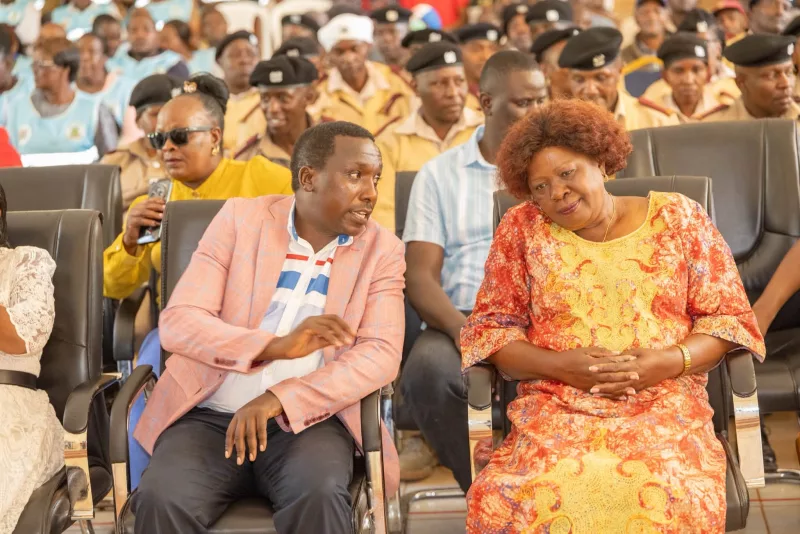
Speaking during a meeting at State House, Ichung’wah said public debate around the proposal had been affected by what he described as confusion and misinformation, at a time when the country is grappling with limited fiscal space and high debt obligations.
“I know the National Infrastructure Fund has been lost to many people. The big question is: how do we raise a trillion shillings?” he said.
He noted that the current administration inherited an economy burdened by significant public debt and had pledged not to further strain citizens through higher taxation.
According to Ichung’wah, under conventional financing approaches, undertaking major projects—such as the construction of a new international airport estimated to cost about Sh200 billion—would typically require either increased taxation or additional government borrowing.
“If we were to raise Sh200 billion purely from taxes, it would mean going back to Kenyans to increase taxes. And yet we committed during the campaign that we shall no longer continue raising taxes on Kenyans,” he said.
He added that borrowing the full amount would add to the country’s debt burden, contrary to the administration’s stated goal of slowing debt accumulation.
Ichung’wah said the proposed Fund draws from private sector financing models, where investors use relatively small amounts of equity to mobilise larger sums from financial markets.
He explained that in most large infrastructure projects, private investors do not fund developments entirely from their own resources.
Instead, they contribute a portion of the capital as equity, which is then used to attract debt financing based on the project’s commercial viability.
Under the proposal, the government plans to raise seed capital for the National Infrastructure Fund through the partial sale of stakes in selected state-owned corporations, including Kenya Pipeline Company and Safaricom.
As an illustration, Ichung’wah said the sale of a 65 per cent stake in Kenya Pipeline Company could raise about Sh100 billion.
Using the airport example, he said a commercially viable Sh200 billion project would typically require about 25 per cent of the cost—approximately Sh50 billion—as equity to unlock the remaining financing from lenders.
“If from that Sh50 billion, the National Infrastructure Fund invests about Sh25 or Sh26 billion, then the government would own 50 per cent of the project through equity,” he said.
He emphasised that, under the proposed model, the borrowing would not be carried on the government’s balance sheet.
Instead, the debt would be taken on by the project itself and serviced through revenues generated once the infrastructure becomes operational.
According to Ichung’wah, this approach would allow projects to repay themselves while generating income for the government and reducing pressure on taxpayers.
He dismissed criticism of the Fund as politically motivated, arguing that some opponents either misunderstand the model or portray it inaccurately.
“There is a lot of negativity from naysayers,” he said, adding that public engagement forums should be used to explain how the model works and its intended role in the country’s development plans.
Ichung’wah maintained that the National Infrastructure Fund remains a key part of the administration’s strategy to expand infrastructure while managing fiscal constraints, and urged the public to assess the proposal on its economic merits.