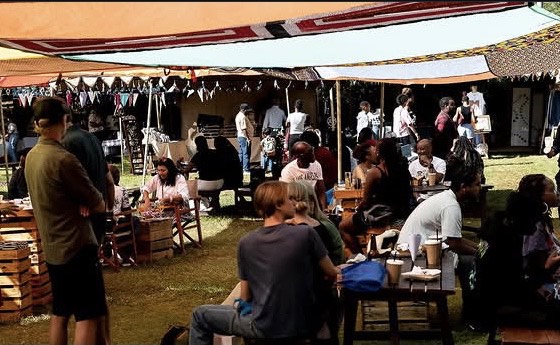
It’s a beautiful, sunny Saturday in Nairobi; she didn’t earn the name “Green City in the Sun” for nothing.
A slight breeze is tugging on the trees that populate the city.
People are spoilt for choice for the activities to take part in, from voyages into the diverse world of music events, to immersive experiences of independently-produced films, not just homegrown, but from all over Africa.
Then, there’s pop-up markets offering one-of-one fashion statement pieces, great food, and wildly-infused drinks.
Usually hosted in temporary spaces, there is life breathed into every single facet of the event: specially-curated music mixes by novel and seasoned DJs, the personalities that have shown up and showed out, and the vibrant set designs that are representative and capture the individuality of each artist showcasing their work.
Pop-ups are a dynamic movement that focus majorly on inviting people to celebrate different disciplines of art and creativity, as well as give the artists recognition.
“Showcasing and vending at pop-ups has helped in growing my brand,” owner of ‘Anyenya’s crafts’, a unique and authentic, custom-made jewellery brand, Ashlyne Anyenya shared with the Star.
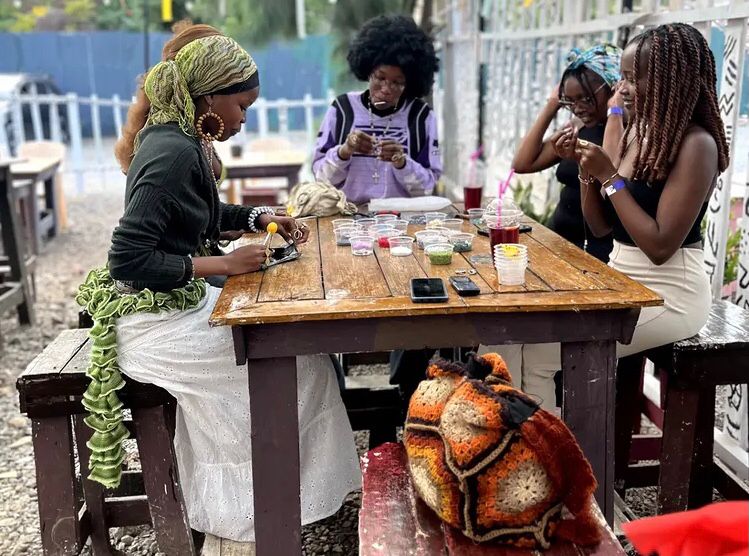
A positive and splendid side-effect of these get-togethers has been a shift in youth engagement, especially through affordability, expression, and community.
The genesis of pop-ups
As mentioned in the name, pop-ups are mobile, short-term ventures such as thrift markets, art shows, food stalls, and other creative events that “pop up” in underused spaces, such as parks and neighbourhoods.
Of late, unconventional spaces, such as homes, rooftops, and underground locations, are being favoured for pop-ups as well.
The execution falls behind the concept of bringing markets to audiences and encouraging more personal conversations with the artists behind the work they create.
In a conversation, co-founder of the Open Circle Collective who are new in the pop-up scene, Almasi Gathoni noted, “The importance of giving a platform to artists to share what they create is beneficial in encouraging positive validation, that inspires better output”, indicative that pop-ups gently nudging artists to lean into creating more.
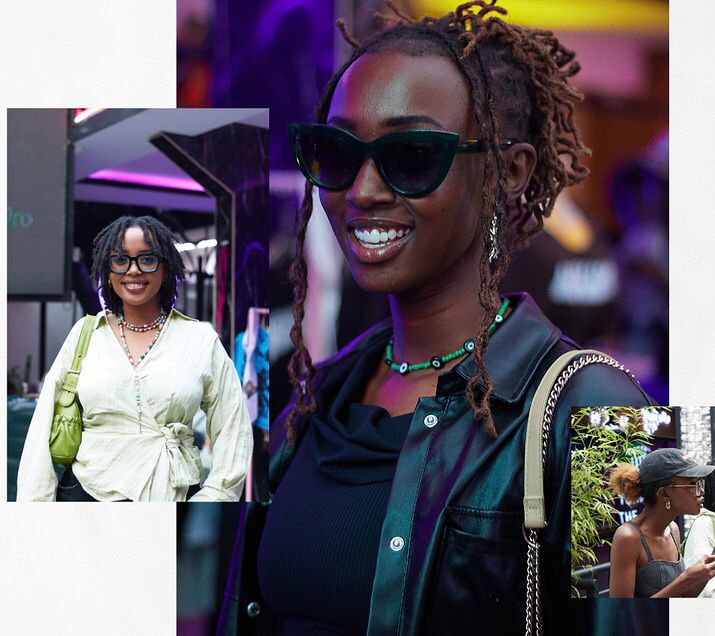
Pop-ups started to gain further popularity as a post-pandemic solution to provide space for individuals to get together.
Additionally, they were also inspired by major gatherings such as Thrift Social Nairobi, Blankets and Wine, and Nairobi Design Week, albeit on a smaller scale.
Growing beyond being fixed within art and fashion constraints, pop-ups are now morphing into intentional social gatherings, in the form of sober parties, “drunken lectures”, and run clubs.
They’re considered to exist in the space where ‘experiment’ and ‘shindig’ collide to breed a new way of socialising and networking.
Pop-ups running the Nairobi scene
Pop Up and Chill also referred to as Pop Up And Chill Handmakers Market, has been around since about 2017, and has been committed to featuring artisans who specialise in handmade, eco, holistic, and vintage goods.
It was initially promoted as a free, family-friendly market with healthy eats and baked goods.
In recent years, it's become bimonthly or quarterly-ish, evolving from intimate garden gatherings to major weekend celebrations supporting local artists.
It's one of the longest-running pop-up markets in the city's modern scene, building a loyal following for its community-driven, craft-focused energy.
Collectives (collaborative groups of individuals) have also leaned toward pop-ups to grow their communities and provide an avenue for different creatives to interact, bask in each other’s work, and encourage the spirit of collaboration.
Pioneering the fashion pop-up space is Studio 18: a collective of Nairobi-based artists, comprising painters and fashion designers, who have committed themselves to showcasing Nairobi’s urban fashion.
Some of these artists and brands include Akiba, Metamorphosised, and Nairobi Apparel District (NAD).
The collective stuck with the name after moving into Kilimani’s Kuona Arts Collective’s eighteenth studio space.

Chipping into the conversation, Studio 18’s brand partnership lead Brandon Zamani shared that the idea of pop-ups was borne from the intimate gatherings that the collective would hold at the studio space, majorly for friends and close acquaintances, nearly 6 years ago.
Then, from organic interest, the gatherings started to grow and evolved into what we now know as ‘Karibu Nairobi’; a space to interact and promote the different brands.
Karibu Nairobi kicked off in 2021, strictly as a fashion pop-up for locally made brands to “show what Nairobi has to offer in terms of streetwear”.
“Curated with intention”, as highlighted by Zamani, Studio 18’s experiences paint a clear picture for the consumers as they are aware of what Studio 18 represents, and they know what to expect at a ‘Karibu Nairobi’ party.
To complement its focus on fashion, Studio 18 also prioritises the curation of sound and installations to provide an all-round visual, audio, and sensory experience that is specific and unique to the brand and its pop-ups.
Sober partying has become an increasingly explored experience, especially with a lot of younger people ditching alcohol, in comparison to the generations that came before them.
Nani’s Cafe Party is an initiative geared towards this alternative means of enjoying time outside while averting alcohol and alcohol-infused drinks.
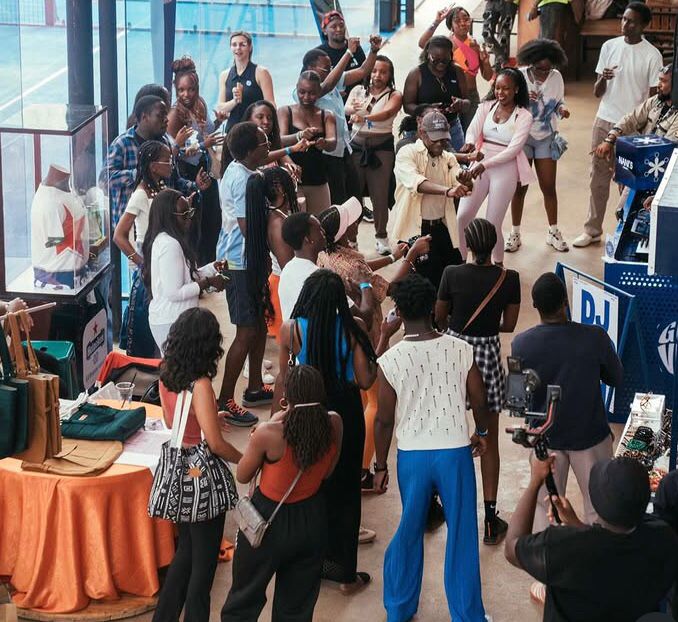
They’re also held during the day, usually between 9 am and 3 pm, allowing people to freely and organically socialise.
Other distinctive pop-ups are those that hold space for people of certain beliefs and lifestyles, such as the newly-conceived Nairobi Spiritualists' Pop-up that appeals to individuals interested in and practising spirituality on different levels, such as African spiritualism, herbal and energy work, tarot card reading, and astrology.
As unconventional as it sounds, there is a niche market for spiritualism.
The allure of pop-ups
Pop-ups have and continue to grow in popularity for a number of reasons.
Primarily, they’re designed to be safe and inclusive spaces where individuals can express themselves liberally through various mediums, such as art, music, and fashion.
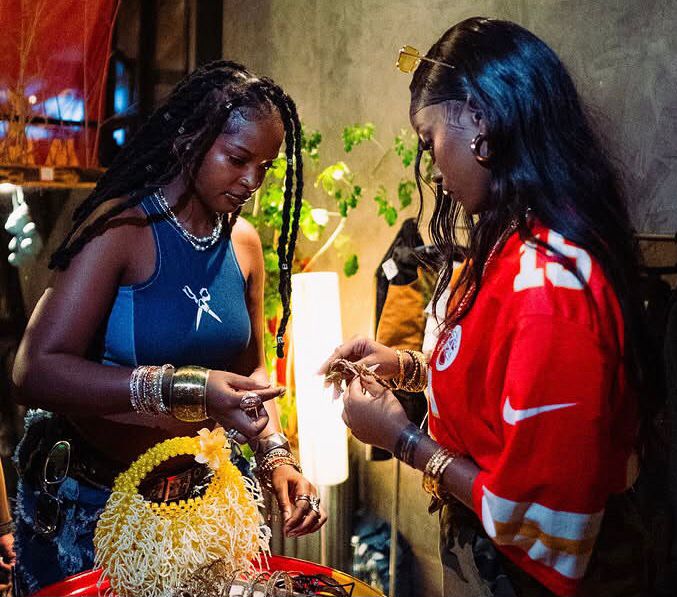
With this freedom comes the willingness to participate in conversations that are reflective of the state of affairs, such as politics, spirituality, and economics.
Leo Kariuki, a Nairobi resident who has been to a handful of pop-ups, spoke highly about how great socializing has been while attending these events.
Additionally, he said, “It is intellectually-stimulating to chime in and take from conversations that are not limited to our immediate surroundings.”
Moreover, entry costs to pop-ups tend to be low, relative to festival and event admissions.
The locations are also accessible, in that they’re within the confines of Nairobi town and don’t veer off too much into the outskirts.
With the digital age quickly sweeping us up in an overwhelming wave, pop-ups serve as a moment to slow down and find relief from the digital fatigue and accompanying loneliness.
These “third spaces” exist to create meaningful connections and authentic experiences.
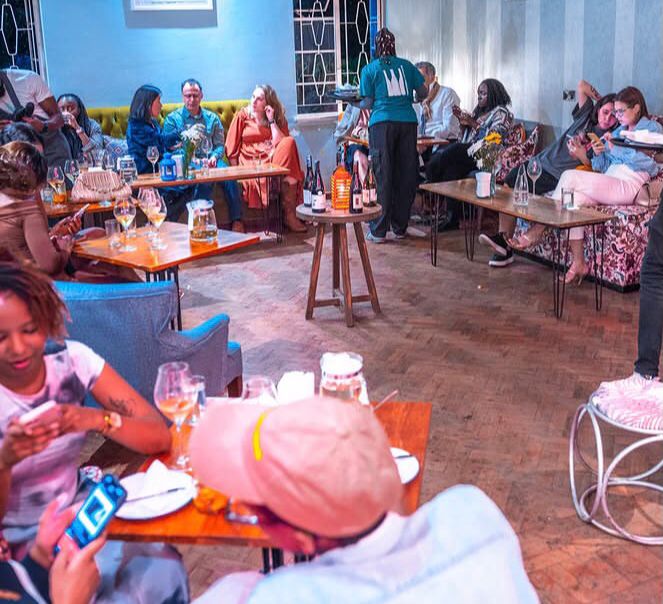
Gathoni shared that there is also an innate joy in having the opportunity to bring people together, from an organiser’s point of view.
“It brings me fulfilment when I see people who have never met each other, but have the same interests, or are in the same line of work, or they’re simply a new friend, go home with a new contact, or a new Instagram handle, essentially just a new network,” she highlighted.
Pop-ups have also brought about a stream of change in terms of environmental awareness and subsequent social impact.
There’s been an uptick in drawing attention to sustainability and innovation, with the inclusion of eco-conscious elements.
That being said, there are fashion brands, like Hekima that have prioritised sustainable fashion and encouraged the conversation through their items and their presence at pop-ups.
The harsh reality for pop-ups in the planning stages
Since Nairobi's pop-up culture is young and growing, a few hurdles are to be expected.
The primary obstacle for organisers when putting together pop-ups is the cost factor.
Catering for security, venue charges, and sound equipment, for example, requires a huge chunk of change, a lot of which is not available to individuals or collectives who are funding projects from their own pockets.
“The availability of locations has been a consistent challenge, with location owners at times failing to fulfil their end of the bargain”, Gathoni firmly expressed while speaking on some of the bumps in the road of pop-up planning, yet “location”, as stated by Zamani, “is key when curating experiences”.
Finding a suitable location, at a fair booking fee, is a widely-shared challenge across the board, with a lot of conflict stemming from the lack of understanding of the execution of a concept between the organisers and the location owners.
The challenges aren’t limited to the organisers; vendors and artists experience some troubles as well.
According to Anyenya, vendors face the risk of not selling any of their items, despite paying a vendor’s fee, which may feel like a loss.
She went on to add that in some occurrences, the organisers overcharge on vendors’ fees and, unfortunately, receive a low number of attendees, further adding on to the risk taken.
Show up for a pop-up in the new year
Though there are a few hiccups here and there, the evolution of the scene makes the burden to bear a little lighter.
“I want to see more pop-ups that hinge on teaching creatives new skills, ideas, and philosophies that will help drive their art forward,” Kariuki mentioned when suggesting what novel concepts he’d like to experience.
In alignment with this, other than showcasing talent and creations, some pop-ups have gone the extra mile, interactively speaking.
Studio 18 has had dedicated workshop pop-ups, inviting individuals who are actively shaping Nairobi’s culture, deepening their impact on their environment.
Emerging trends point toward deeper sustainability and upcycling focus, more so on fashion activations, and stronger integration of digital tools for promotion, ticketing, and community building.
Neighbourhoods like Ngara have been revived as creative hubs with more immersive experiences cutting across art, music, and design.
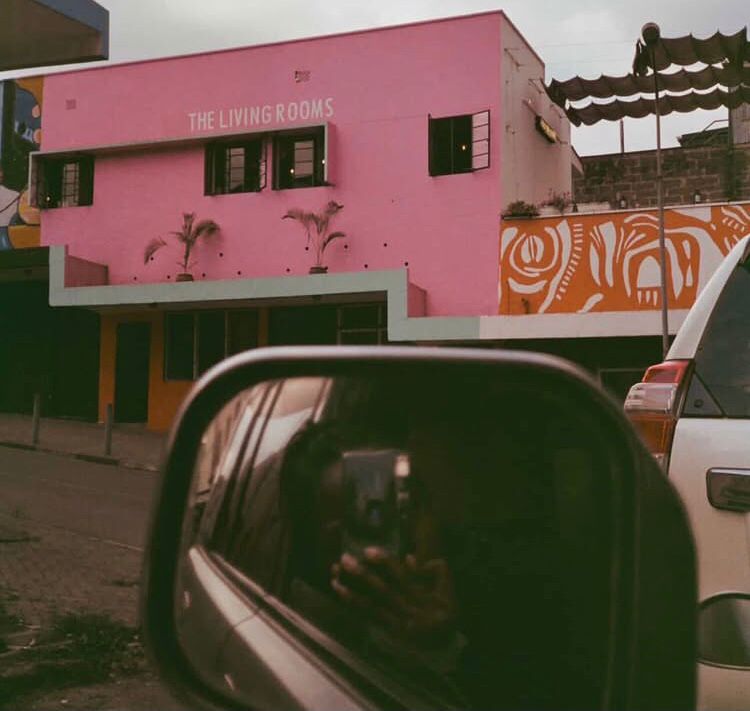
Funding opportunities are also slowly but exponentially becoming available to collectives and individuals who aspire to curate vision-backed spaces and experiences in the pop-up community, mainly in the form of grants.
Pop-ups have become a space for Nairobi's youth to fuel connections and build a more creative, cohesive future, and if you haven’t dipped your toes into their magic yet, it’s a new year, and an experience you should cross off your “to-do list”.
Comments 0
Sign in to join the conversation
Sign In Create AccountNo comments yet. Be the first to share your thoughts!