Isiolo county is set to roll out an assessment to determine the impact of the failed November–December short rains as concerns mount over food security, livestock health and livelihoods.
Read Also
The National Drought Management Authority (NDMA), in collaboration with the Isiolo County Government, will on Friday begin a Short Rains Food and Nutrition Security Assessment.
The assessment is aimed at generating data to guide timely and evidence-based interventions.
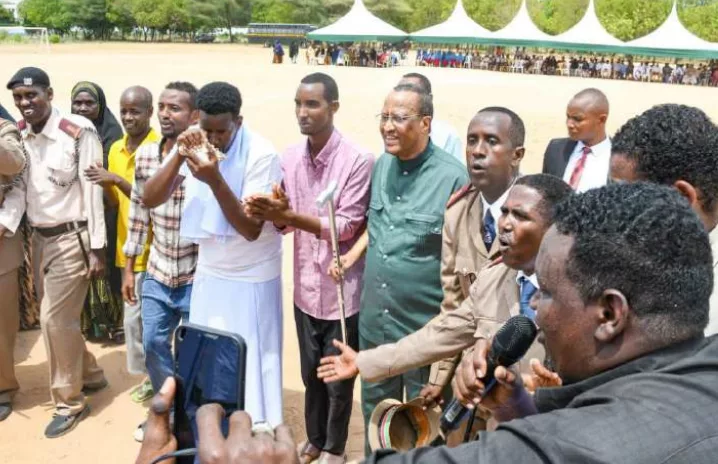
The exercise was endorsed during a County Steering Group meeting chaired by the Water, Environment and Climate Change executive Guracha Kikuyu.
He said the assessment was urgent and critical in informing practical responses to the worsening drought situation.
“The findings of this assessment will give us a clear picture of the situation on the ground and help us design people-centred and realistic interventions,” Kikuyu said.
Multi-sectoral teams drawn from county departments, NDMA and partner agencies will assess key indicators, including livelihood conditions, market functionality and food prices, livestock movements, water availability and the overall food and nutrition security situation.
Special attention will be given to the most affected wards, notably Sericho, Garbatulla, Oldonyiro, Ngaremara, Chari and Cherab.
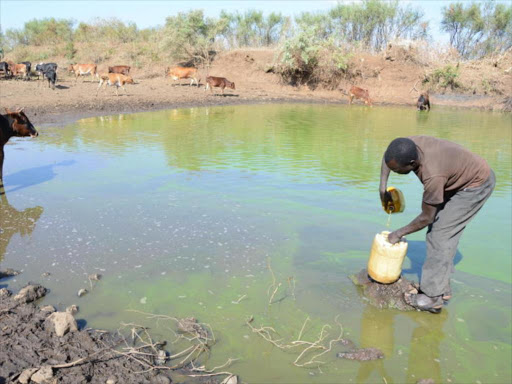
According to Kikuyu, poor rainfall during the short rains season has led to reduced pasture and drying water sources, significantly undermining livestock productivity.
Milk production has dropped sharply, he said, forcing pastoralist households to migrate over longer distances in search of pasture and water.
The extended movements have not only increased the vulnerability of households but also raised the risk of conflicts as communities compete for dwindling grazing resources.
County director for NGO Coordination Bitacha Sora said the situation was particularly severe in Sericho, Oldonyiro and Garbatulla.
He noted that herders in these areas are trekking long distances in search of water and pasture, a move that has disrupted livelihoods and strained household resilience.
“The depletion of pasture and water sources has pushed families to the brink, with serious social and economic consequences,” Sora said.
The impact of the failed rains has gone beyond livestock, affecting crop production, education and health outcomes.
Households are grappling with food shortages as market prices for essential commodities continue to rise, further eroding purchasing power.
Officials said the assessment will also examine how the drought is affecting learning, health and nutrition, particularly among children, pregnant women and other vulnerable groups.
Despite the challenges, county officials expressed optimism that the coordinated assessment will help avert a deeper crisis.
By bringing together government departments, humanitarian actors, and development partners, the county aims to strengthen preparedness and ensure interventions are guided by accurate data.
Authorities said the exercise will ensure that community experiences are captured and translated into concrete action to protect lives and livelihoods.
The findings are expected to inform both immediate relief measures and longer-term drought mitigation strategies across the county.
INSTANT ANALYSIS
Over two million people across Kenya are facing worsening food insecurity following one of the driest October-to-December 2025 rainy seasons on record. The prolonged drought has led to rising rates of malnutrition, increased risk of disease outbreaks, and disrupted access to essential health services.