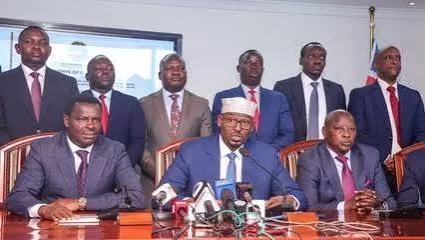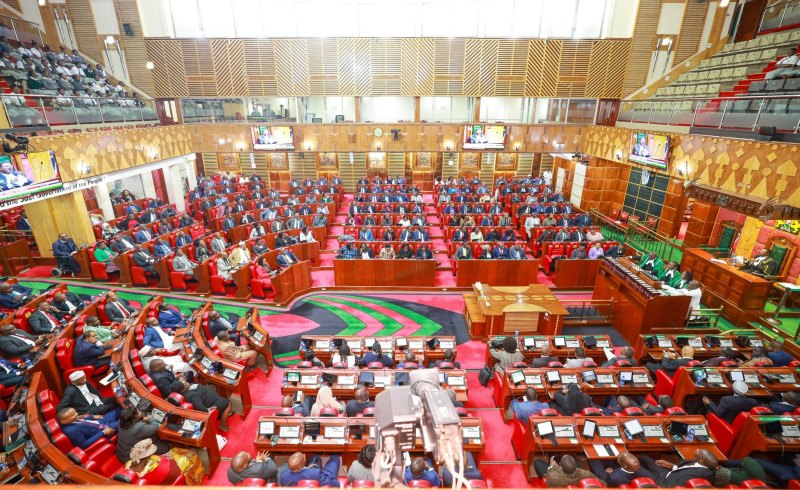
Senators have turned up the heat on governors, demanding firm action against the top management of water companies to rescue the utility firms.
The development follows revelations of massive revenue losses that are threatening the survival of the utility firms.
The concerns emerged during the ongoing grilling of governors by the Senate County Public Investments and Special Funds Committee over audit reports on the operations of county-owned water entities for the period ended June 30, 2025.
The committee, chaired by Vihiga Senator Godfrey Osotsi, heard that some water companies are losing up to 65 per cent of the water they produce through non-revenue water (NRW).
The situation has left many firms financially crippled and unable to meet basic operational costs, with some declared technically insolvent.
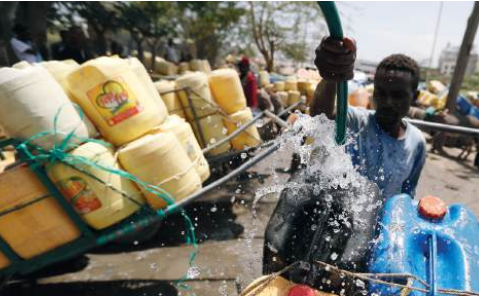
NRW refers to water that is produced but does not generate income due to factors such as leakages, illegal connections, faulty meters, inaccurate billing, poor data management and theft.
Senators were told that failure to bill customers, aging infrastructure, mismanagement and weak oversight have combined to worsen the crisis.
“There is a bigger problem than what the counties are saying. Every county keeps talking about dilapidated infrastructure, but the real problem is billing.”
“Customers are not being billed, and in many cases this is deliberate,” Osotsi said, saying some water company managers have been negligent and raising concerns about possible collusion.
The committee wants governors and boards to tighten oversight over managing directors, chief executive officers and senior managers to stem the losses and rescue the struggling utilities.
Nominated Senator George Mbugua urged governors to move beyond rhetoric and enforce accountability.
“Tie down the CEOs and top managers to strict performance contracts. Those who are not performing should be sacked immediately. Counties cannot continue pouring money into companies that are losing revenue,” he said.
Audit reports tabled before the committee paint a grim picture across several counties.
At the Coast, Kilifi–Mariakani Water and Sewerage Company Limited failed to earn revenue from half of the water it produced during the period under review.
The company generated 9.71 million cubic metres of water, but only 4.83 million cubic metres were billed to customers, leaving 4.87 million cubic metres—about 50 per cent—as non-revenue water. The unbilled water translated into losses estimated at Sh653.18 million.
Kilifi Governor Gideon Mung’aro attributed part of the problem to outdated infrastructure, saying the company has about 9,000 water meters that have outlived their useful life and are under-registering consumption, leading to underbilling.
In the same region, the Malindi Water and Sewerage Company Limited recorded a sharp rise in NRW, which increased from 12 per cent to 42 per cent within the period, raising concerns about weak controls and rising inefficiencies.
Western Kenya counties also reported heavy losses. In Vihiga, Amatsi Water Services Company Limited lost about Sh89 million in revenue from water supplied but not billed during the year.
In Trans Nzoia, the Trans Nzoia Water and Sewerage Company Limited lost 44.9 per cent of the water it produced, translating to revenue losses of approximately Sh90.68 million.
The audit report noted that the level of water loss in Trans Nzoia exceeded the Water Services Regulatory Board acceptable threshold of 25 per cent by nearly 20 percentage points.
“Management did not provide satisfactory measures put in place so far to reduce the volume of non-revenue water going into the future,” the report states.
In Nyandarua county, Ol Kalou Water and Sanitation Company Limited produced 583,451 cubic metres of water, but only 378,749 cubic metres were billed to customers.
The balance of 204,702 cubic metres—about 35 per cent—was classified as NRW. Auditors estimated that the abnormal loss may have resulted in foregone sales of about Sh24.56 million, based on the minimum tariff of Sh120 per cubic metre as provided under the Water Act, 2016.
Mombasa Water Supply and Sanitation Company Limited recorded some of the highest losses, with NRW standing at 62 per cent.
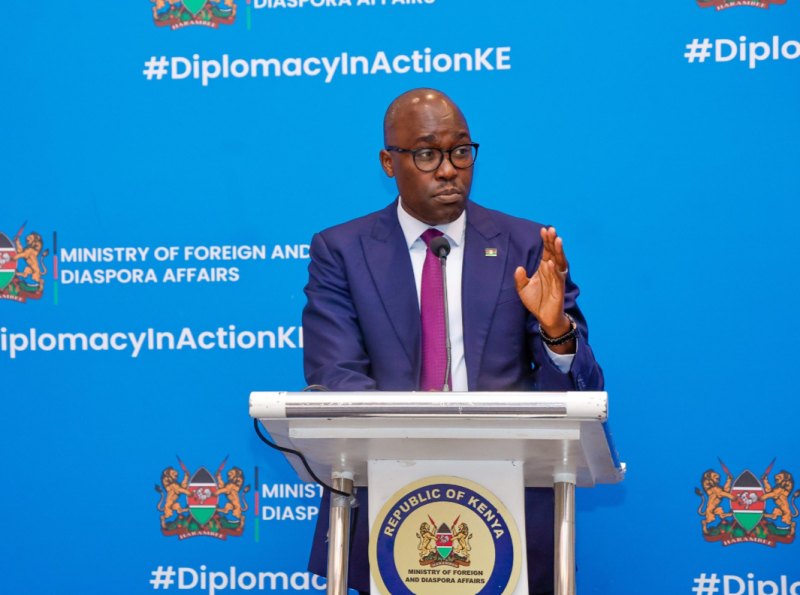
Governor Abdulswamad Nassir told the committee that the county has introduced several measures to curb the losses, including inspections to disconnect illegal connections, the rollout of smart meters and the development of a comprehensive NRW reduction policy.
Senators, however, warned that unless governors act decisively to enforce accountability and professional management, many water companies risk sliding into insolvency, ultimately hurting consumers through poor services and higher tariffs.