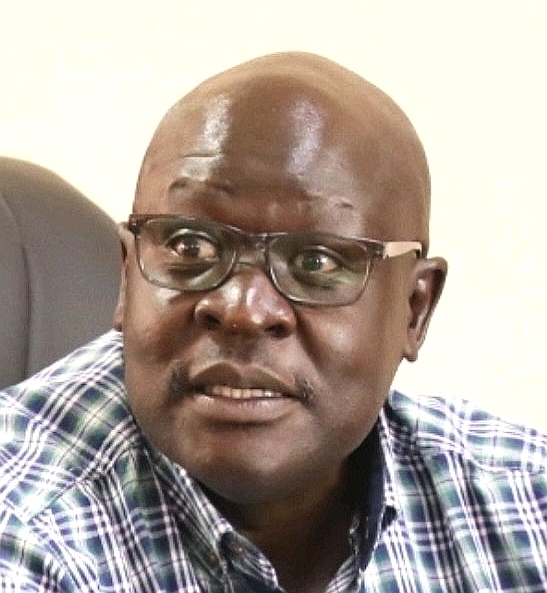
Unity among Luhya leaders ahead of the 2027 general election will position the community for President William Ruto’s succession in 2032, Kakamega Governor Fernandes Barasa has said.
He urged leaders from the Western region to rally behind a common political and development agenda, saying cohesion would strengthen the community’s bargaining power nationally and prepare it for a serious presidential bid after Ruto’s tenure.
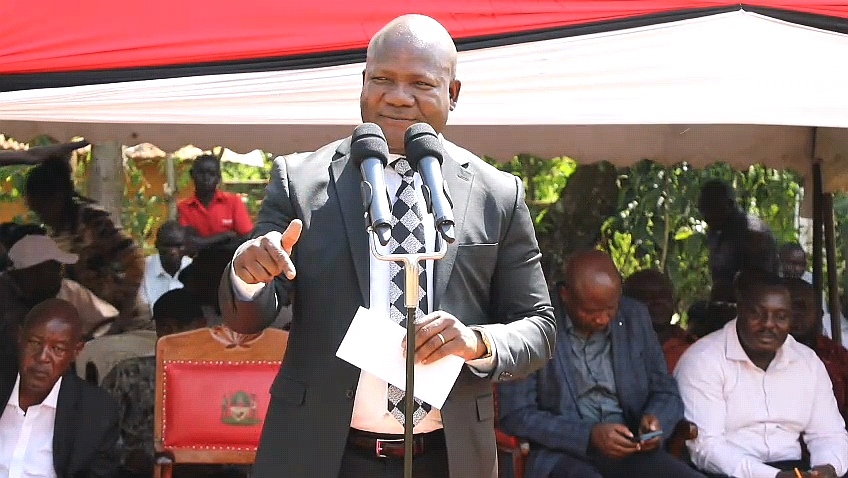
"Our brothers from Western, let us have unity of purpose — unity for development and economic empowerment. When 2032 approaches, we shall have gathered strength, capacity and political will. I am hopeful that our unity will enable us to produce a serious presidential candidate," Barasa said.
He said sustained unity among leaders would accelerate development in the region, while nurturing a formidable political figure capable of mounting a credible bid for the presidency.
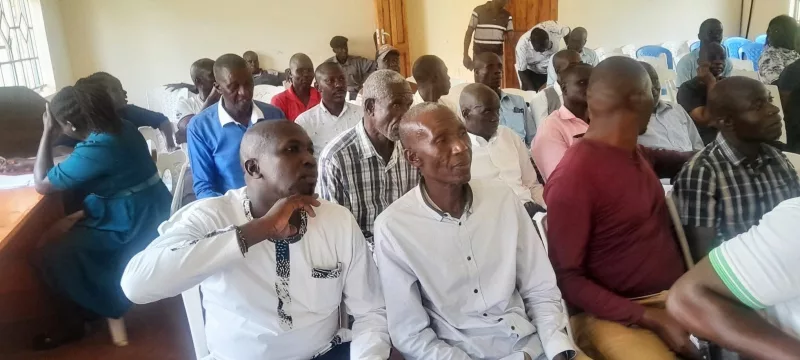
The governor spoke during the funeral service of Philemon Aoko in Matungu constituency. Aoko was the son of former Matungu MP David Were. Kakamega Deputy Governor Ayub Savula was among leaders present.
Barasa also weighed in on national politics, saying a potential coalition between UDA and ODM would be “unbeatable” in next year's elections if negotiations culminate in a unified presidential candidate.
He said Kakamega county was fully committed to the broad-based political alignment backing Ruto’s re-election bid.
The governor cast doubt on the opposition’s ability to marshal nationwide support capable of unseating Ruto, arguing it lacked cohesion and a compelling national agenda.
Savula said the fragmented opposition had failed to articulate a clear alternative vision for the country.
“The opposition is disjointed and lacks a convincing agenda to rally Kenyans,” Savula said, accusing its leaders of pursuing personal interests at the expense of national unity.
“Where is the shadow cabinet? You cannot just criticise everything the government is doing without telling the public how you would do it differently if given a chance.”
Instant analysis
Governor Barasa’s remarks signal an early bid by Luhya leaders to reposition Western Kenya as a decisive bloc in post-Ruto succession politics. By tying unity in 2027 to ambitions for 2032, he frames regional cohesion as a bargaining chip and a long-term investment. His endorsement of a possible UDA–ODM alliance underscores the growing appeal of broad-based coalitions as a route to power, while isolating the opposition as fragmented and visionless. The messaging suggests Western leaders are seeking relevance within the current power structure rather than risk political marginalisation.