
Antimicrobial resistance (AMR) is killing more Kenyans than Tuberculosis, Malaria and HIV combined, health experts have warned.
They said the epidemic is rising in Kenya and across Africa with nearly three per cent of deaths across the continent now being linked to infections that no-longer respond to antibiotics.
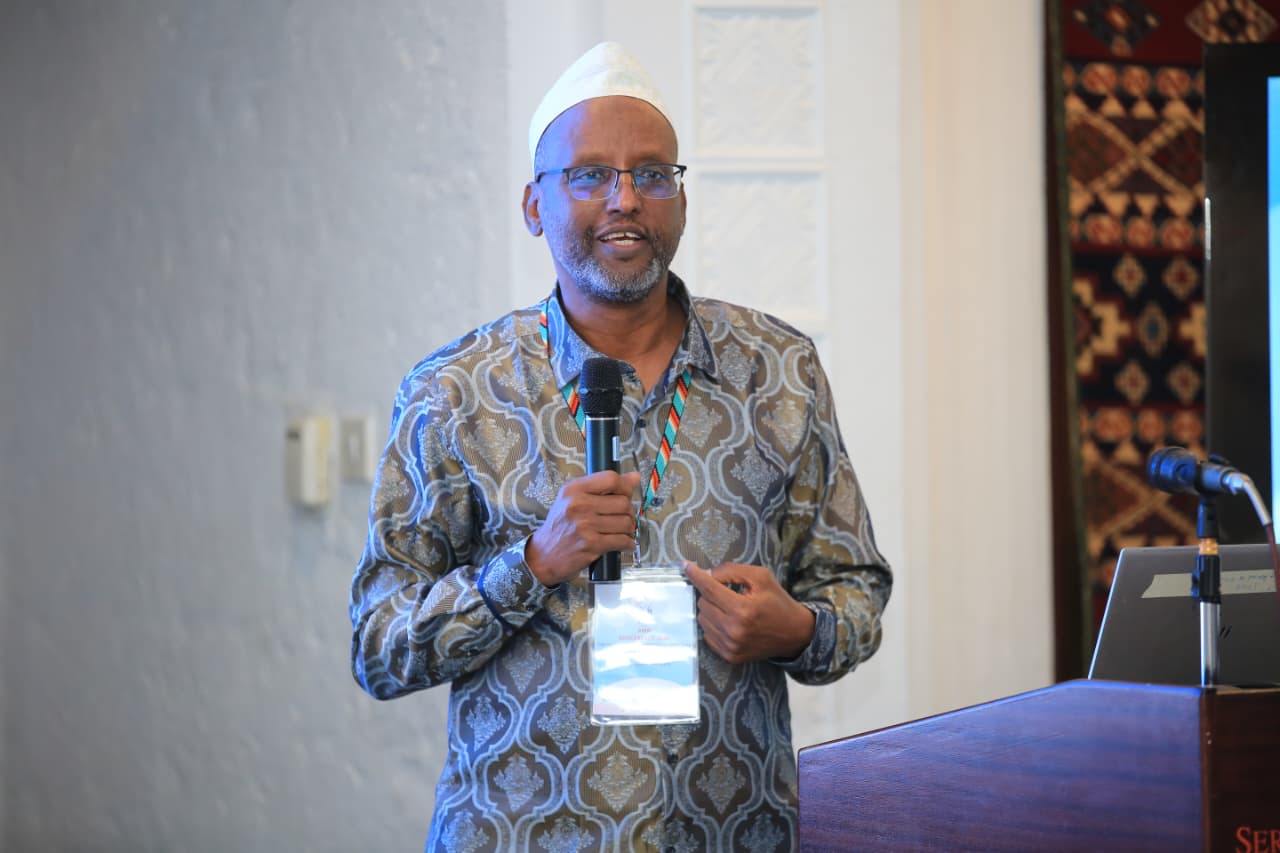
The experts spoke during the Kenya National AMR Conference 2026 which is being held in Mombasa. The meeting was held under the theme “Working Together to Tackle AMR in Kenya.”
Professor Sam Kariuki, the continental lead for the Drugs for Neglected Diseases Initiative and a researcher at the Kenya Medical Research Institute, said AMR is a silent but deadly epidemic.
He revealed that about 27.5 out of every 1,000 deaths in Africa are linked to infections that no longer respond to antibiotics.
“AMR is not a disease you can see, but it results in death because infections like malaria, tuberculosis or typhoid cannot be treated using available antibiotics,” Prof Kariuki said.
He added, “It's a faceless problem, yet huge.”
He noted that while COVID-19 caused 3.6 million deaths globally during the pandemic, AMR-related illnesses killed nearly five million people in the same period.
The scale of the problem has not received enough public attention, the experts said.
Common diseases such as typhoid, cholera and bacterial bloodstream infections are becoming harder to treat.
This is due to widespread antibiotic resistance. Experts warn this threatens basic healthcare services in the country.
Professor Jay Berkley, a paediatric infectious diseases specialist with 30 years of experience in child health research at the Coast, called for stronger surveillance systems.
He said monitoring resistance patterns is critical in hospitals, communities and agriculture.
“We need to know what is happening in our settings to find solutions. Surveillance requires organisation, materials and support from ministries, hospitals and funding partners,” Prof Berkley said.
He explained that resistance levels differ widely between rural health facilities and intensive care units.
This means treatment decisions must be guided by local data.
Ongoing research at KEMRI and other institutions is focused on finding new antibiotics and identifying existing ones that still work.
Dr Irungu Kamau, head of the Division of Infection Prevention and Control and Antimicrobial Resistance at the Kenya National Public Health Institute, outlined key drivers of resistance.
These include over-the-counter drug sales, poor veterinary practices and failure to follow prescriptions.
“We are exposing our bacteria and viruses to traces of antimicrobials, causing them to develop resistance that transmits between humans, animals and through the environment,” Dr Kamau said.
He emphasised the need for a One Health approach linking human, animal and environmental health.
Prof Kariuki said simple prevention measures are still underused, citing handwashing, sanitation and hygiene, which can reduce infections by nearly 50 per cent.
He also stressed the role of vaccines against typhoid, cholera and respiratory infections in children.
He highlighted inequality in access to antibiotics, especially where wealthier urban residents can buy antibiotics without prescriptions.
At the same time, children in rural areas die from treatable infections due to lack of basic medicines.
Dr. Abdullahi Ali, chairman of the KEMRI Board of Directors, warned against misuse of medication.
He said even common drugs can be dangerous when taken incorrectly.
“There is nothing called half dose or quarter dose. When given a prescription, take drugs according to the way you are instructed,” Dr. Ali said.
He added that improper use of drugs in livestock also fuels resistance when contaminated meat enters the food chain.
The experts called for coordinated public awareness campaigns, saying political leaders, religious leaders, teachers and communities must be involved.
“We need data that moves people to act, not just data for the sake of it,” Prof Kariuki said.
He suggested school children can help spread awareness messages to families and communities.
End….
Instant analysis
The story highlights antimicrobial resistance as a growing but under-acknowledged public health crisis in Kenya and across Africa. By drawing comparisons with high-profile diseases such as HIV, malaria and COVID-19, experts underline the scale of AMR-related deaths and the urgency for action