The government has activated its drought response mechanisms to cushion vulnerable communities in arid and semi-arid lands (ASALs) following worsening conditions that threaten lives and livelihoods.
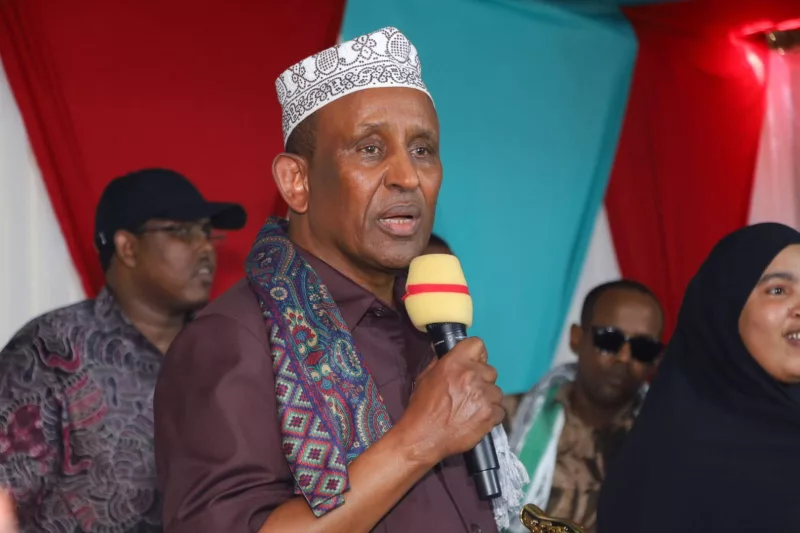
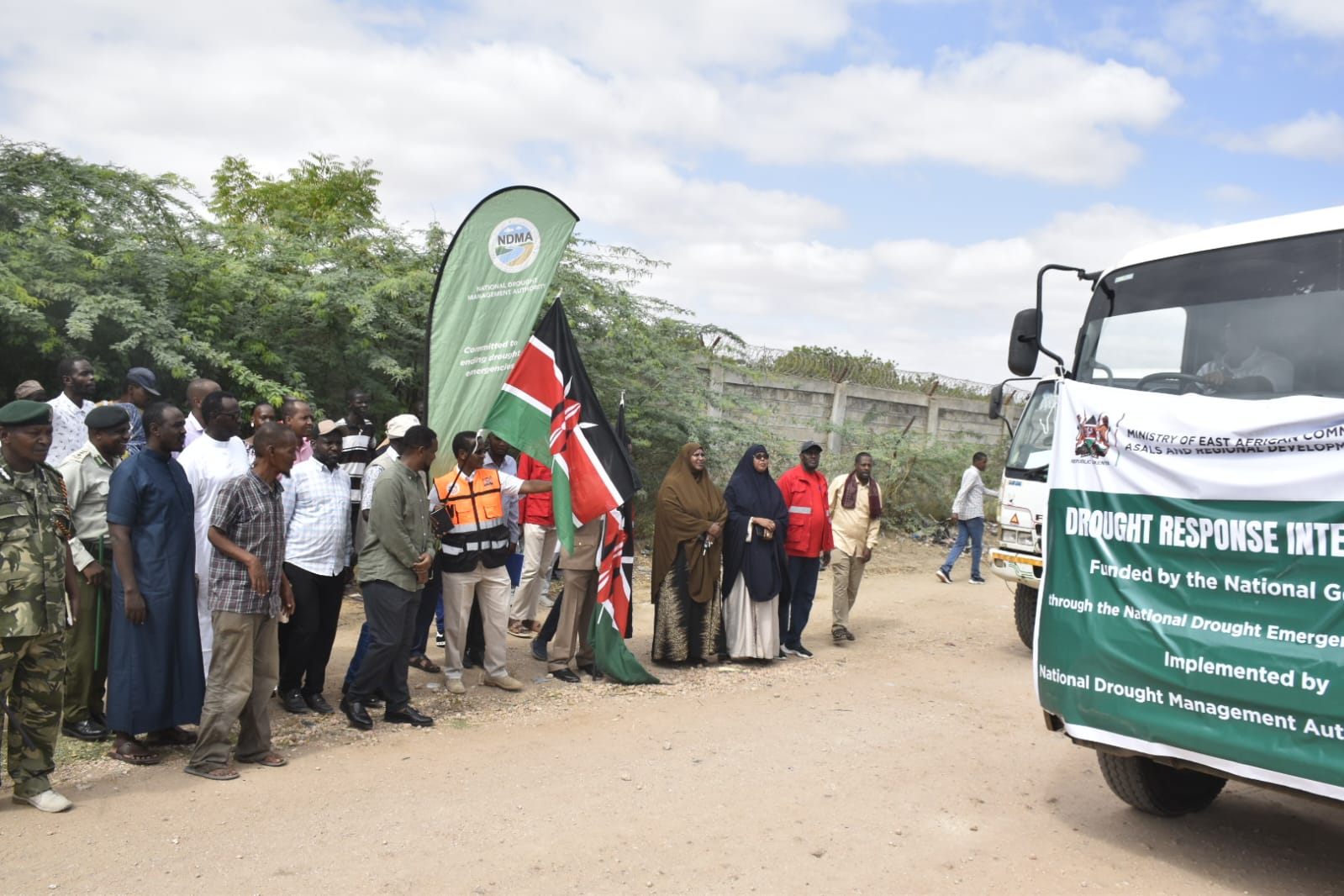
Speaking in Garissa on Tuesday during the flagging off of water trucking and relief food assistance, Garissa County Commissioner Mohamed Mwabudzo said the intervention was part of a broader national response targeting drought-affected regions.
“This exercise is not isolated. Similar drought response activities are being launched across other ASAL counties as the government moves to protect lives and livelihoods,” Mwabudzo said.
The government is also giving relief food through the Department of Special Programmes with 4,480 bags of rice and beans already supplied in Garissa.
The water trucking programme, jointly implemented by the National Drought Management Authority (NDMA) and the Garissa county government, prioritises vulnerable households and critical institutions, particularly in Lagdera and Balambala sub-counties.
Mwabudzo who was flanked by NDMA Chief Executive Officer Haret Adan and other national and county leaders assured residents that the government was in control of the situation.
“I urge members of the public not to panic. The government has put in place all necessary measures to protect lives and livelihoods, and this is one of the interventions being implemented,” he said.
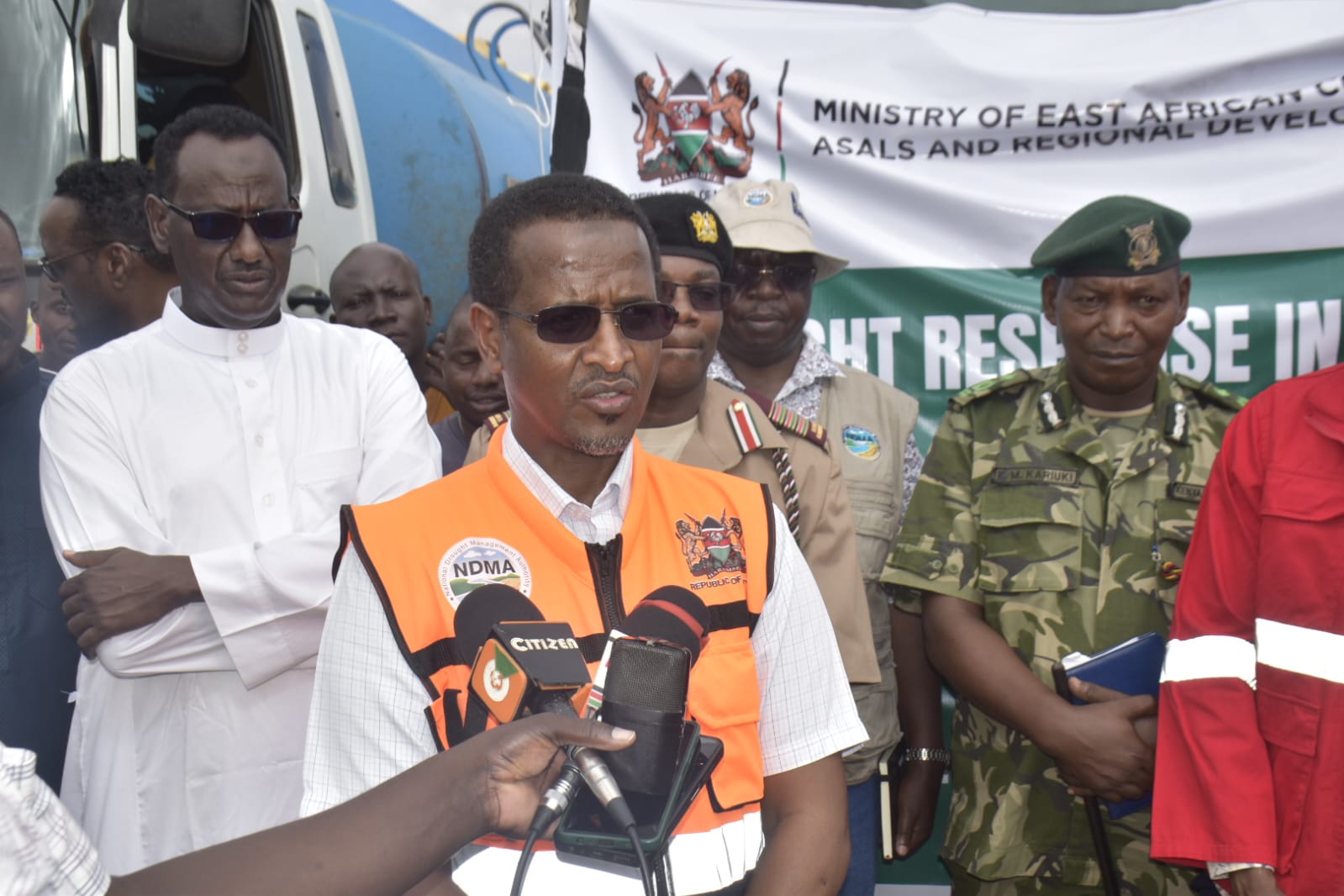
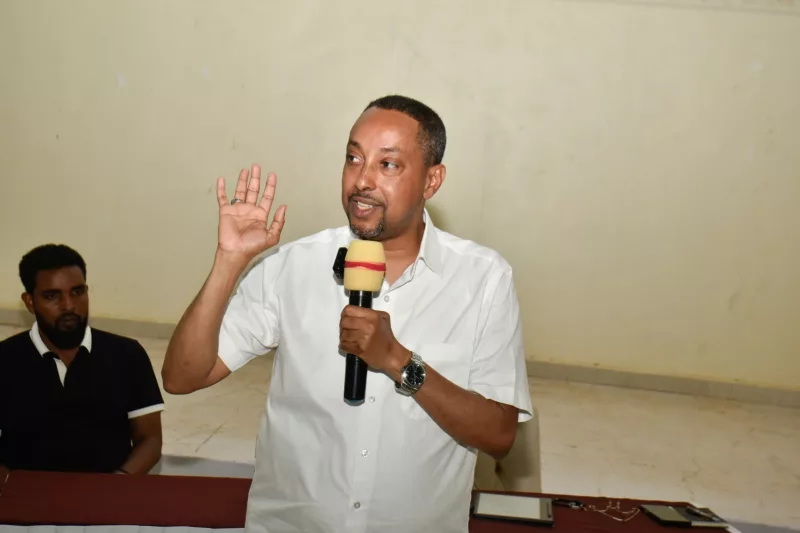
Adan said the drought has affected an estimated 2.1 million people across ASAL counties, with about 185,000 people impacted in Garissa alone.
He said the situation has triggered increased livestock migration in search of pasture and water.
Adan said the government was in the process of procuring livestock feed, which will be distributed to affected counties in the coming weeks. He also commended county governments for their role in drought mitigation, describing the interventions as part of a coordinated national response.
“I want to appreciate the Garissa County Government, non-state actors and the national government for mobilising communities, raising awareness and putting in place response mechanisms to address the current situation,” Adan said.
He added that NDMA will continue monitoring conditions through the Drought Early Warning System and coordinate timely, targeted interventions to prevent further deterioration.
In the longer term, Adan said the government is rolling out measures to address water shortages in ASAL counties and support the agricultural sector.
He revealed that through the National Drought Emergency Fund, NDMA has supported drought response interventions worth Sh40 million in Mandera, Marsabit, Wajir and Garissa counties.
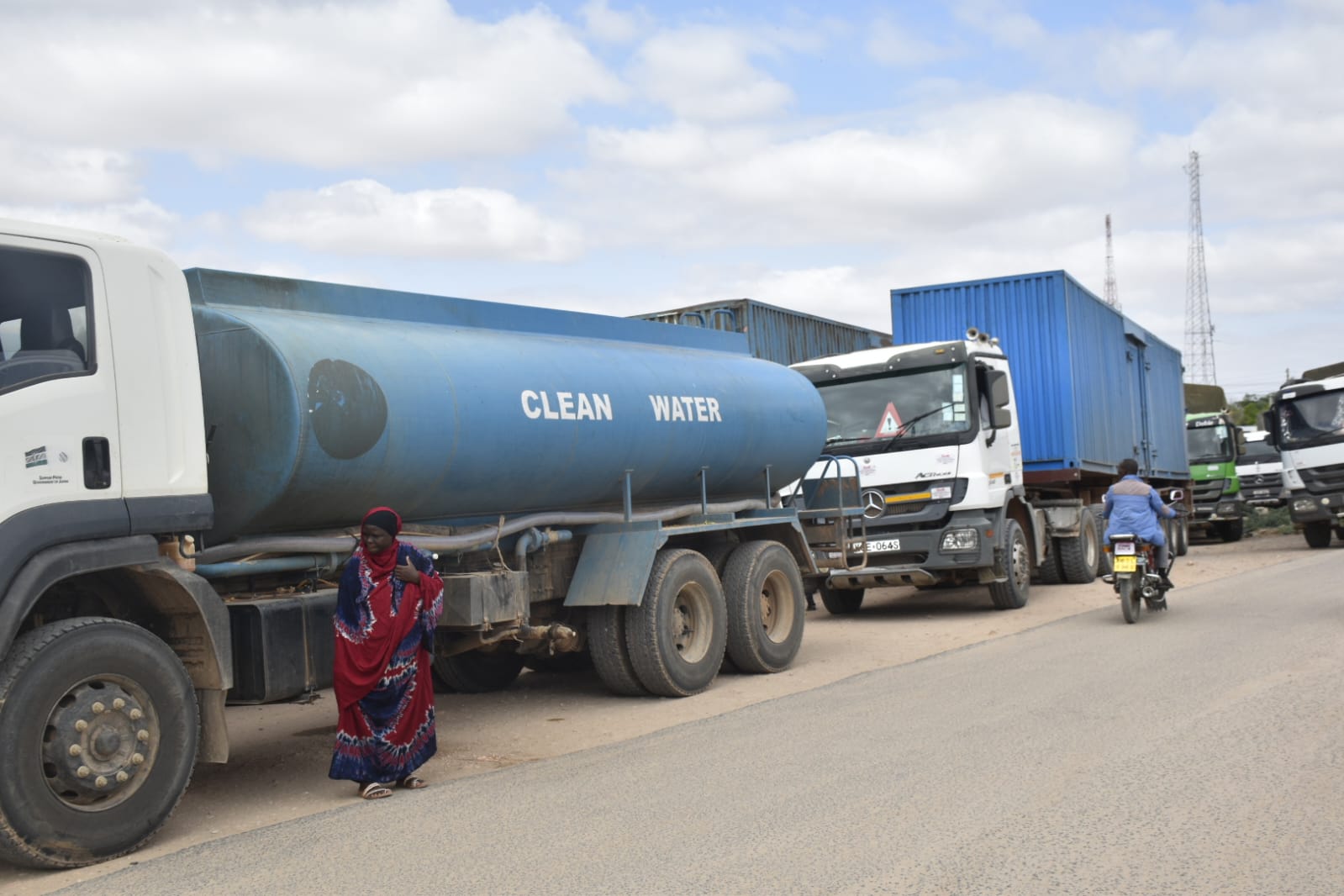 Water
bowsers that will be used to track water to affected settlements within Garissa
county.
Water
bowsers that will be used to track water to affected settlements within Garissa
county.
Meanwhile, Kenya Red Cross Garissa County Coordinator Daud Ahmed raised concern over the long distances residents are trekking in search of water and pasture, urging stakeholders to prioritise water access.
“Water scarcity is very high. People are walking long distances in search of water and pasture for their animals,” Ahmed said.
He called on state and non-state actors, development partners, and both national and county governments to intensify monitoring and interventions to minimise the impact of the drought.
The current crisis follows three consecutive failed rain seasons—the October–December 2024 short rains, the March–May 2025 long rains, and the October–December 2025 short rains.
Persistently high temperatures have worsened the situation by accelerating the depletion of water and pasture resources.
As a result, drought conditions are expanding and intensifying, placing increasing strain on household livelihoods and coping capacities.
NDMA has classified Mandera county in the alarm phase, while nine counties, including Garissa, are currently in the alert phase, with several showing a worsening trend.