
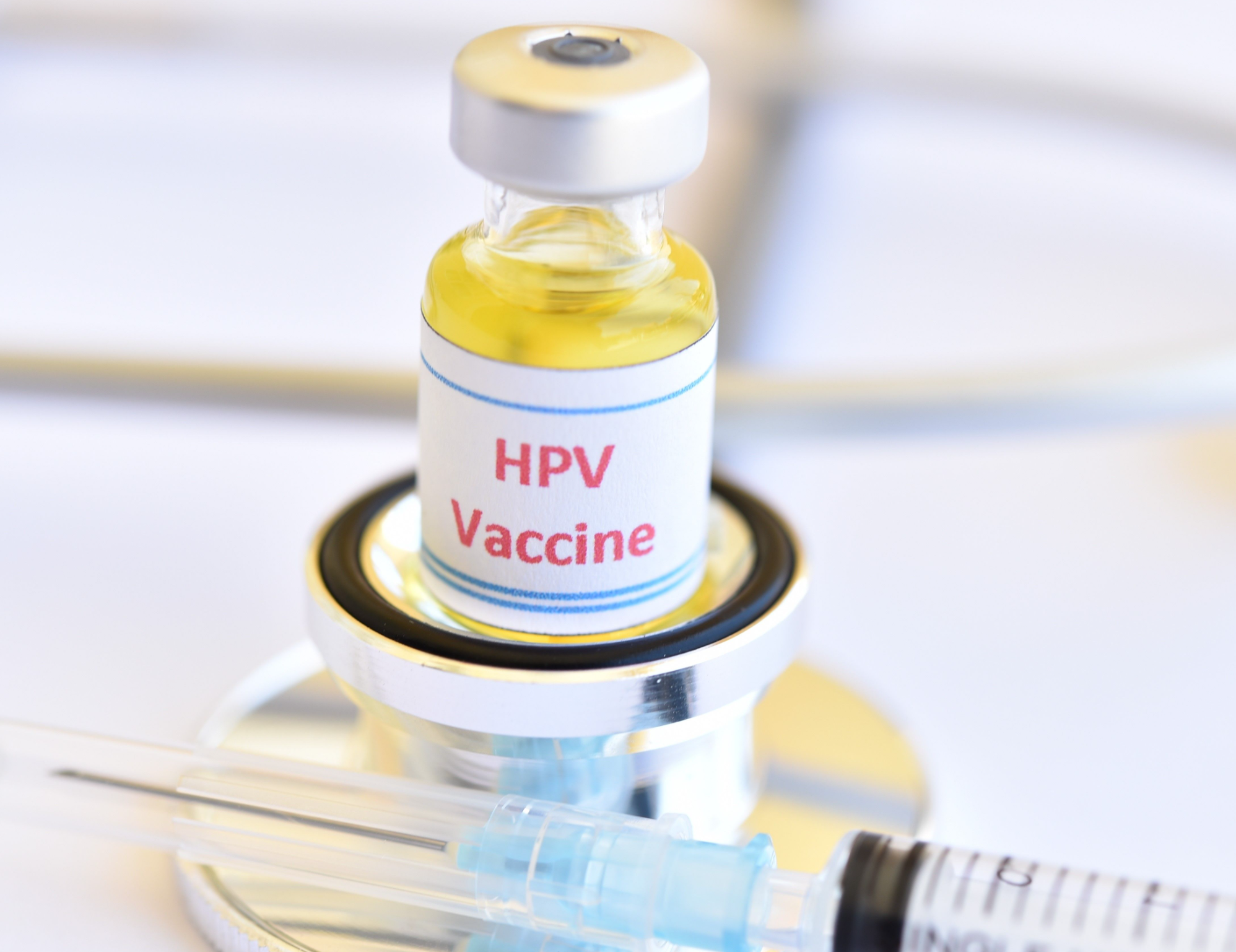
 HPV vaccine to prevent cervical cancer.
Health advocates have endorsed the government’s plan to move from school to school, vaccinating girls against HPV, a virus that causes cervical cancer.
The vaccine is 90-100 per cent effective at preventing infections from the HPV, especially cancers and genital warts, mostly when given before sexual activity.
The government’s plan was announced at the launch of the National Cervical Cancer Elimination Action Plan last week.
Benda Kithaka, executive director of Kilele Health Association, said the focus must now turn to funding and execution.
“We need to meet the WHO 90-70-90 targets: 90 per cent of girls vaccinated against HPV by age 15, 70 per cent of women screened with high-performance tests by ages 35 and 45, and 90 per cent of those with cervical disease receiving treatment, for the country to be on the way to elimination. What we need is move from policy to action,” Kithaka said.
In 2024, 61 per cent of girls received the first HPV dose. Although 48 per cent of women targeted for screening in 2024 were actually screened, only six per cent were screened using HPV testing. Of those eligible for treatment, only 43 per cent were actually treated, the action plan says.
It notes that approximately 6,000 Kenyan women were diagnosed with cervical cancer in Kenya in 2024, and 3,600 died from the disease, making it the most dangerous cancer among women after cancer of the breast.
“To implement the health system strengthening interventions proposed in this action plan, Sh1.2 billion will be required over five years. Of this, 27 per cent is for interventions to be implemented primarily by counties, 16 per cent by the national government and 57 per cent is shared by the two levels of government,” said Dr Patrick Amoth, Director General for Health.
The plan also flags additional capital costs. “A proposal to establish two additional PET/SPECT centres at MTRH and Mombasa regional cancer centre will require Sh1.4 billion,” it states.
Kithaka said the Action Plan lays out clear goals, but financing and implementation gaps remain, particularly at the community level where prevention begins.
“When we look, the Ministry of Health has already done policy, but the budget is from the Ministry of Finance. It should provide Sh1.2 billion for operationalisation, Sh1.4 billion more for two new cancer centres. So you can see from policy talk, prevention is cheaper. It makes sense to strengthen prevention,” Kithaka said.
She also raised concerns about access, awareness and the health workforce.
“Second thing with urgency is awareness to action. Social Health Authority is not meeting costs for women who go to facilities, yet the policy says it should,” Kithaka said.
“Then there’s human resources for health. We are saying screening is the gold standard, that is, HPV testing, but what happens when one is positive? Are the human resources in the hospital sensitised?” she added.
Phoebe Ongadi, executive director of the Kenyan Network of Cancer Organizations (KENCO), said prevention must be anchored in primary health care.
“It’s the right time for Kenya to target elimination of this cancer. We need the primary healthcare fund operationalised. We need to move bottom up, we need to focus on prevention rather than many resources on treatment,” Ongadi said.
“The PHC fund should take care of immunisation and screening, which means anyone who walks in should get diagnosis and screening, but that fund is not operationalised. We should focus on schools and children to improve vaccination.”
She also warned that late diagnosis continues to drive high costs and death toll.
“Over 60 per cent of cervical cancer cases in Kenya are diagnosed late, and this leads to strain because it's expensive. But this cancer is preventable,” she said.
Kenya has experienced both successes and challenges in implementing cervical cancer elimination strategies.
The action plan sets out 21 operational objectives grouped under three key result areas—HPV vaccination, screening and precancer treatment, and diagnosis, treatment and survivorship care for invasive cervical cancer. Each is aligned to the WHO’s elimination targets.
The World Health Organization said Kenya’s plan signals commitment but success will depend on sustained action.
“Through coordinated action across prevention, screening and treatment, Kenya is strengthening its response to cervical cancer and advancing progress towards eliminating the disease as a public health problem,” said Dr Boston Zimba on behalf of WHO Kenya.
“With strong political will, community engagement, and continued partnership, we can make cervical cancer elimination a reality for future generations of Kenyan women.”