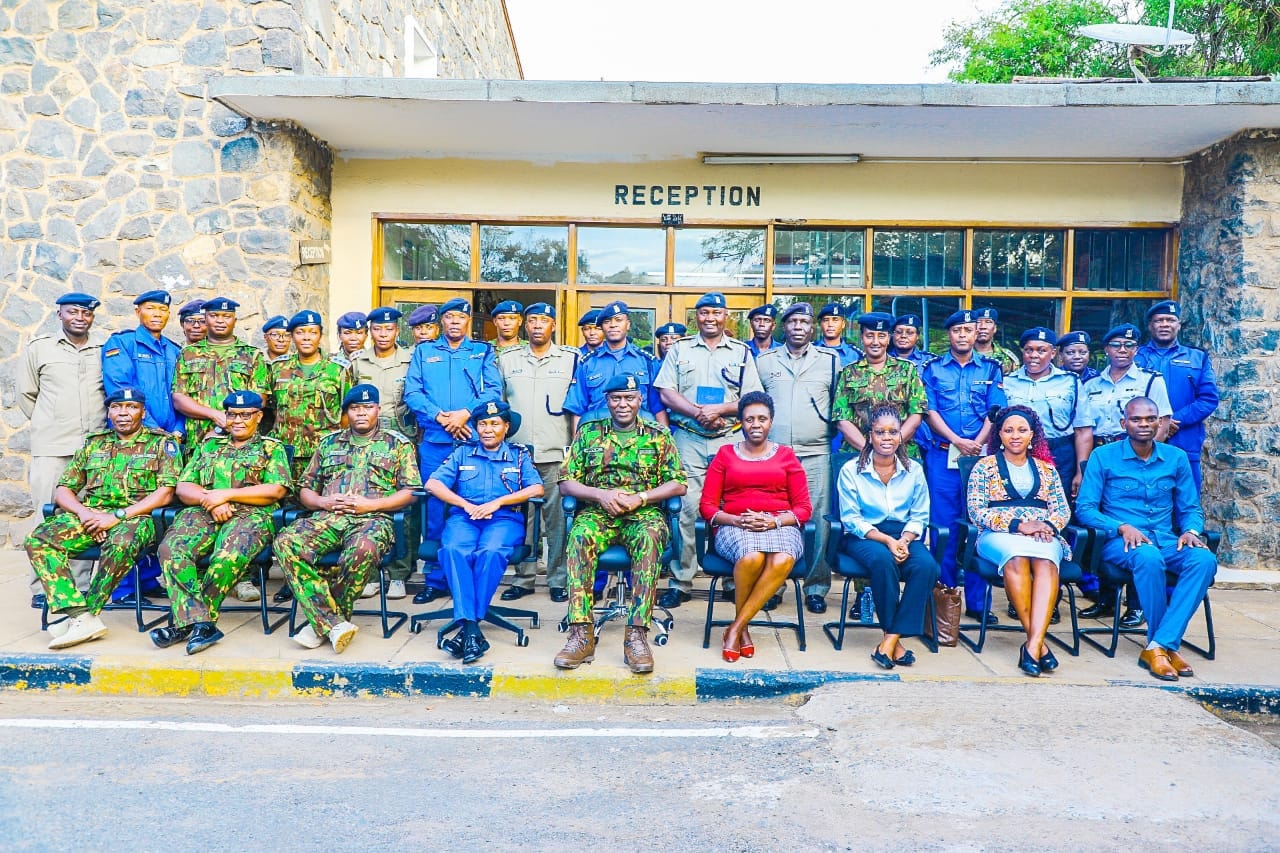
 The Railways and Port Police Unit, under the leadership of Commandant Mr Geoffrey Mayek, AIG, during a recent Mental Health training/NPS
When the National Police Service Commission (NPSC) revealed their survey on the mental status of police officers, which showed between 12 and 13 percent of them have mental issues, few believed them.
Worse, some insiders said the figures could be higher. This was in 2022, and it was based on 110,000 police officers in the country.
The then NPSC CEO Joseph Onyango said the figures were a reflection of the global trend.
“The mental cases out of the recent assessment is almost trending towards the figure of 12 to 13 percent of the total population of the officers. It’s trending toward the global figures,” said Onyango.
The same scenario continues to play now. The service is facing a crisis of the menace.
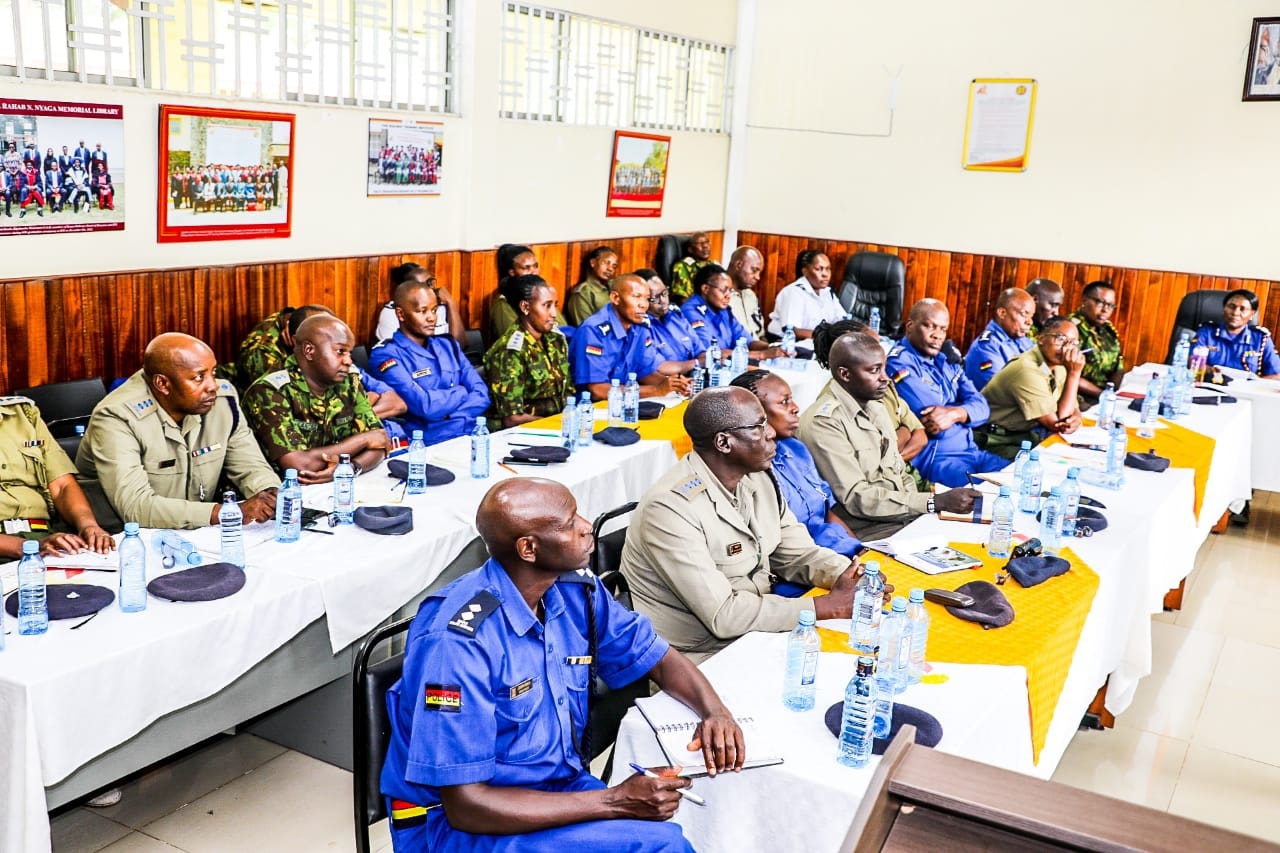 The Railways and Port Police Unit, under the leadership of Commandant Mr Geoffrey Mayek, AIG, during a recent Mental Health training/NPS
These included training police officers on how they can detect triggers of stress and mental wellness of their juniors.
He said they had opened up channels of communication among the officers as part of ways of detecting any form of stress among them and revealed police commanders had been ordered to always be keen to detect any trigger that may lead to depression, stress, or mental illness and act immediately.
The issue is affecting officers in all ranks, officials said.
The Inspector General of Police, Douglas Kanja, said he had ordered that any mental illness-related case be attended to immediately.
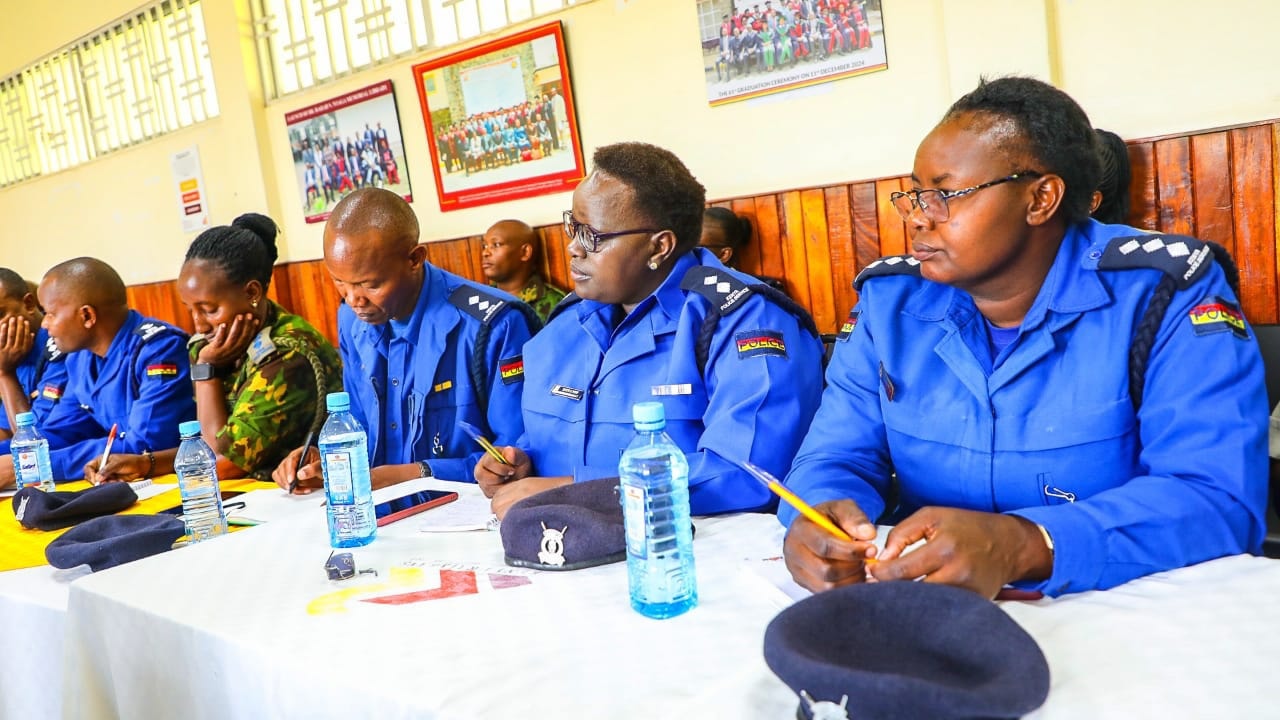 The Railways and Port Police Unit, under the leadership of Commandant Mr Geoffrey Mayek, AIG, during a recent Mental Health training/NPS
Financial management is key in contributing to the mental health of officers.
However, the trend of incidents linked to work-related trauma continues to rise.
There has been a spike of incidents involving police officers, including murder and suicide, which have been linked to the mental wellness of the officers.
Over the years, a spike in deaths in the service has been linked to trauma. They include deaths by gun.
Hardly a week passes before a police officer dies by suicide or goes berserk in incidents linked to the trauma.
Since January 1, 2026, at least five police officers have died in separate incidents linked to the trauma.
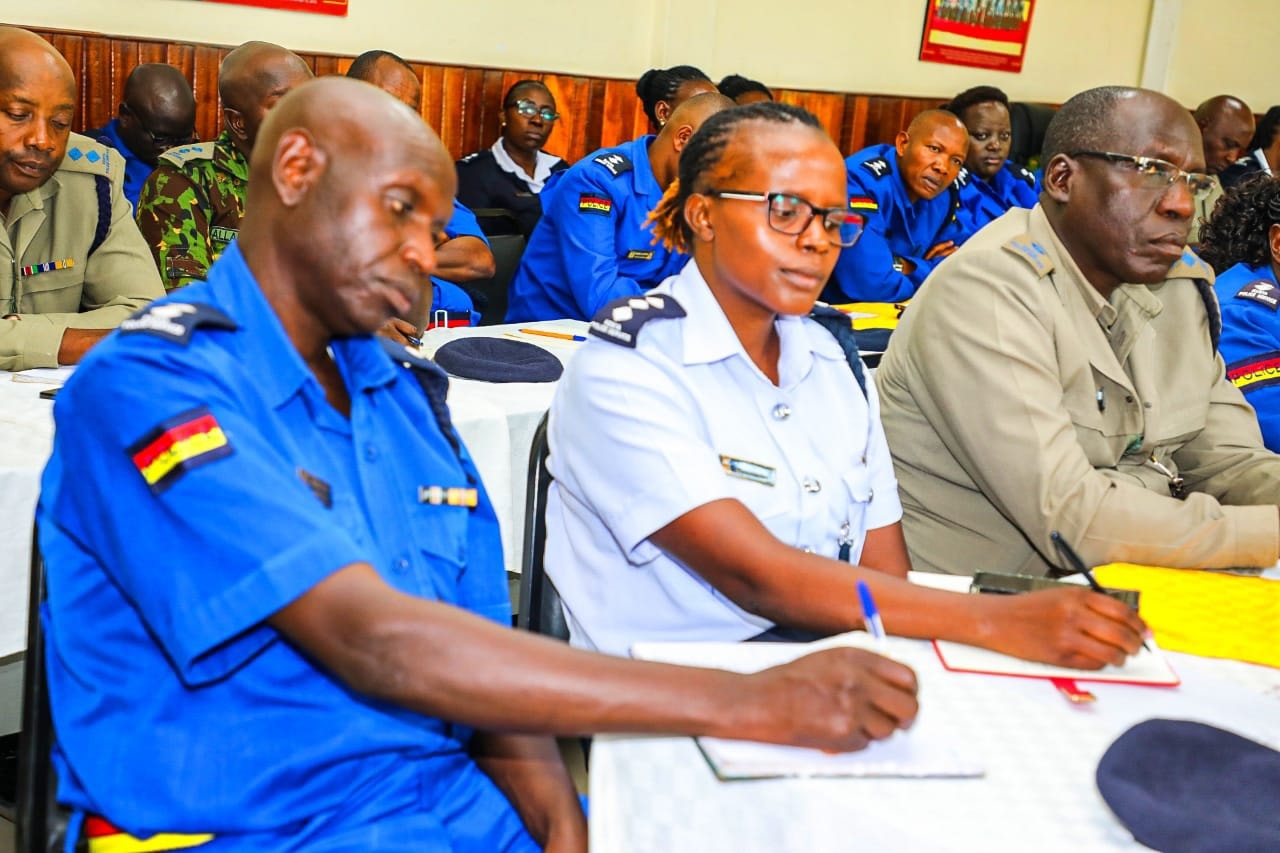 The Railways and Port Police Unit, under the leadership of Commandant Mr Geoffrey Mayek, AIG, during a recent Mental Health training/NPS
On January 2, 2026, a police officer attached to the Salama Police post in Laikipia stabbed and killed his colleague in an altercation before he was subdued and arrested.
On January 18, 2026, a police officer hanged himself in his house in Kangondi, Kitui County.
Police statistics show tens of police officers are exhibiting signs of stress at work.
The challenge is that few of them are opening up to address the issue.
And it is costing them much. Many of them are dying, which is a loss to the country at large.
The commission says it had embarked on an ambitious program to sensitize all police officers on trauma healing and psychological well-being as they fulfil their mandate of providing safety and security in the country.
The programme sought to empower NPS officers at all levels to enhance their sensitivity to issues of stress and trauma they routinely encounter in their professional and personal lives.
It also strives to create and hold safe spaces in police stations, offices, camps, colleges, and communities, thus enhancing peer-to-peer support for officers to feel safe enough and dignified enough to share their stories and experiences of stress, anguish and trauma in a confidential and non-judgmental environment.
According to the commission, they will support officers adding that in special cases, deployment and transfer of officers will consider factors like the health of the officers.
Measures so far…
Internally, officials have created several counseling units in different departments in the service to focus on mental health of the police at large.
Mental health issues have been a concern in the service at large and needed special attention; hence, the creation of the units. At the Kenya Police Service, Evelyne Njeri Mbugua, a trained counselor, heads the unit.
She has been meeting various agencies including the Amani Counselling Centre and Training Institution (ACCTI), to discuss on strengthening mental health systems in policing, enhancing professionalism in counselling and supervision, building a sustainable, evidence-based wellness framework, fostering research and innovation in police mental health and expanding trauma response, clinical supervision, and psychoeducation
She said police officers operate in high-stress and trauma-prone environments that increase incidents of burnout, suicide, and substance misuse within the service.
She said KPS, through the Counselling and Psychosocial Support (CPSS) Department, seeks strategic collaborations to enhance resilience and mental health, noting that Amani Counselling Centre’s national expertise aligns with these KPS wellness goals.
She highlighted key collaborations areas which includes training and capacity building, clinical supervision framework, referral mechanisms, trauma response support, psychoeducation, research collaborations, internship placements and development of tools and manuals.
Mbugua expressed optimism that such collaborations would lead to enhanced officers’ resilience and wellbeing, professionalized counselling services within the service, reduce trauma-related absenteeism and suicides and strengthened institutional collaboration.
“We will make it with the support of all stakeholders. We are doing all possible to address the menace,” she said.
NPSC has also created a similar unit.
The counselling unit, among other things, evaluates, designs, and leads an outreach programme that helps prevent mental health and substance abuse.
Kanja has called for urgent need to confront suicide as a national concern.
Kanja emphasised the National Police Service’s deliberate steps to strengthen mental health systems for officers and their families.
“These efforts include establishing counselling offices, chaplaincy services, psychosocial deployment, and forming partnerships with institutions such as Africa International University and DMF-Kenya,” he said.
He called for the need to break the silence and end the stigma surrounding mental health, to strengthen access to counselling and psychosocial support; and to build strong partnerships across society to save lives.Report on mental illness..
A task force on mental health established in 2020 Kenya has a high burden of mental illness due to ill health, psychosocial disability and premature mortality with huge gaps in access to care.
The team found out that the majority of populations in Kenya associate mental health and mental illness with negative narratives leading to a low focus on the importance and benefits of mental health and well-being.
The team also recommended that mental illness be declared a national emergency of epidemic proportions, to prioritise mental health as a priority public health and socioeconomic agenda.
It recommended that mental health be provided with adequate financing in line with international best practice
In Kenya, it is estimated that one in every 10 people suffers from a common mental disorder.
The number increases to one in every four people among patients attending routine outpatient services.
Officials say the menace affects even personnel in the military, Kenya Prisons and Kenya Wildlife Service.