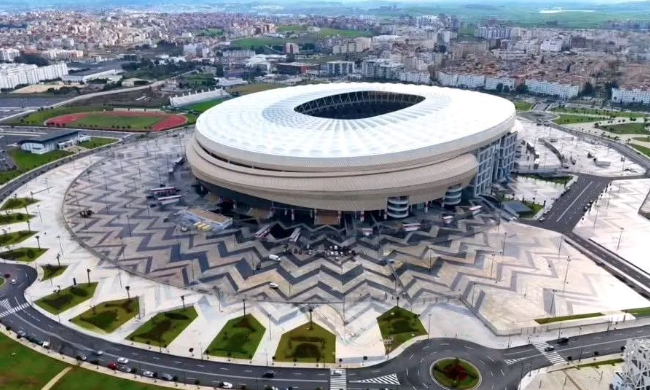
 An aerial image of Tangier Stadium/FILE
As East Africa gears up to host the 2027 Africa Cup of Nations (AFCON), questions have been raised about whether Kenya, Uganda, and Tanzania are adequately prepared for the continent’s premier football tournament.
Ivorian journalist Mamadou Gaye recently sparked debate after asserting that the trio of East African hosts may not yet meet the demands of a tournament of AFCON’s scale.
“Morocco hosted because Guinea failed to do it. They were not ready. That is why I asked the questions; in case they fail or there is a delay, it will obviously be taken from the three countries,” Gaye said, stressing that his comments were not meant to offend the region or its people.
He acknowledged that East Africa has made progress but questioned whether the current infrastructure and logistics can match the organisational sophistication needed to host the continental showpiece.
Judging from how AFCON 2025 was executed, Morocco left little doubt that the tournament was not a trial run.
From infrastructure to logistics, hospitality to security coordination, the kingdom delivered a championship that set a new continental standard.
High-speed rail, modernised airports, upgraded road networks, and digitally-integrated services were seamlessly functional—not built solely for the tournament but as part of a broader national development vision.
Stadiums met international standards, transport systems connected host cities efficiently, and security arrangements were effective yet unobtrusive.
Fan experiences were handled with professionalism, ensuring visitors felt welcome and safe.
Dedicated 5-star hotels hosted all 24 teams, providing advanced training and medical facilities, while every match was broadcast using cutting-edge 4K HDR technology, drones, and spidercams, reaching over 180 territories worldwide.
“The Kingdom has been investing in modern stadiums and urban infrastructure for many years, not because of the AFCON, but as part of a broader national development strategy,” Omar Khyari, advisor to Royal Moroccan Federation of Football president Fouzi Lekjaa, told Morocco World News.
“The country did not wait for AFCON or the World Cup to transform itself.”
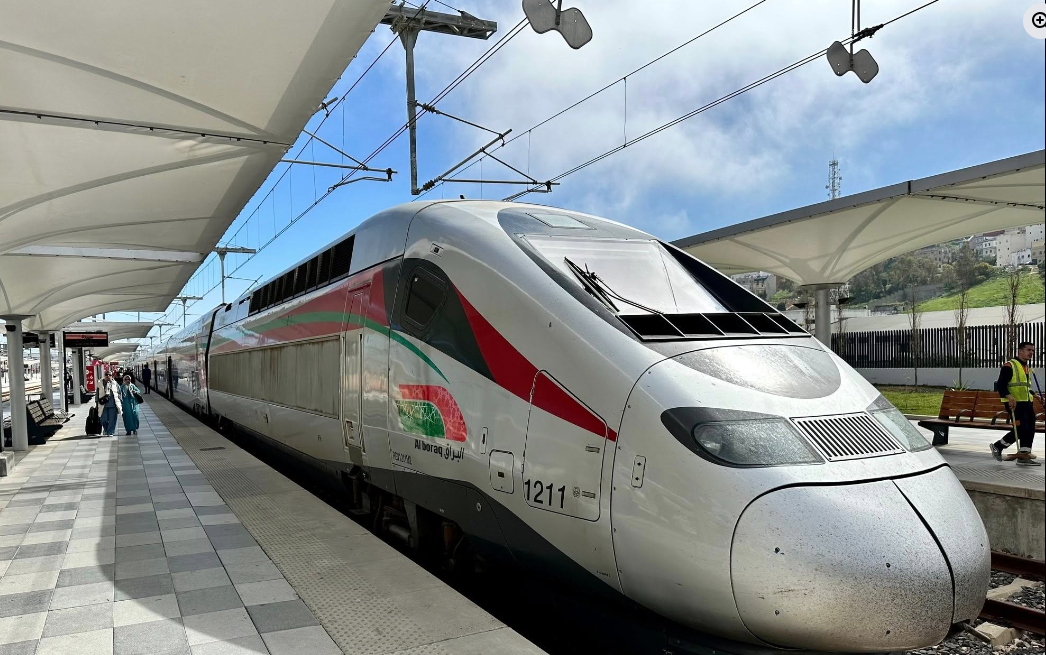 Morocco has Africa's only high-speed rail system/FILE
Observers say Morocco’s preparations reflected a level of organisational maturity rarely seen before in African football.
The Al Boraq high-speed train connects major cities, while airports, highways, and tourism infrastructure have been upgraded to world-class standards.
The ongoing construction of the Grand Stade Hassan II near Casablanca, with a capacity of 115,000 seats, is seen to demonstrate that Morocco’s approach is long-term and vision-driven rather than event-driven.
Observers argue that what sets Morocco apart is not ambition alone, but execution.
Years of steady investment have created a system capable of hosting large-scale events smoothly and on time, ensuring that the country and continent can punch above their commercial weight on the global stage.
Under the leadership of His Majesty King Mohammed VI, sport has become a pillar of Morocco’s national strategy.
The Kingdom has deliberately positioned itself as a global sporting power, using athletics as a driver of development and international credibility.
This vision is underpinned by modern infrastructure, professional sports governance, and investment in human capital, allowing Morocco to meet and exceed CAF’s evolving expectations.
CAF’s standards for host nations have shifted significantly since 2010, driven by AFCON’s growing commercial and global profile.
With 24 teams instead of 16, the tournament now demands more stadiums, more training facilities, and enhanced transport and security systems.
CAF expects proof of readiness, strict adherence to timelines, and robust governance, leaving little room for improvisation.
Security, player welfare, and legacy considerations are paramount, and any failure is instantly visible in the digital media age, raising the stakes for organizers.
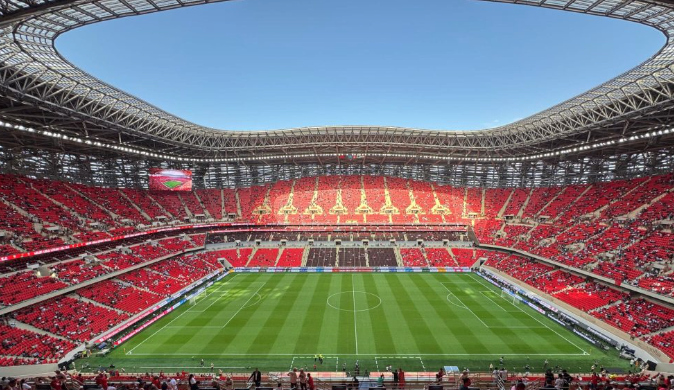 The Prince Moulay Hassan Stadium/FILE
In contrast, East Africa’s hosts are racing against time to meet these requirements.
In Kenya, major investments are underway to upgrade existing sports infrastructure and build new facilities.
The Moi International Sports Centre in Kasarani and the Nyayo National Stadium in Nairobi are being refurbished, while the Talanta Sports City Stadium near Ngong Road is under construction.
Uganda has also intensified its preparations, renovating key venues such as Nelson Mandela National Stadium in Kampala and developing new stadiums and training facilities to support the expanded AFCON format.
Similarly, Tanzania has reassured CAF of steady progress in modernising infrastructure and facilities, with the Benjamin Mkapa National Stadium in Dar es Salaam highlighted as a key venue.
Football Kenya Federation President Hussein Mohammed is confident in East Africa’s ability to deliver.
“After setting new standards with the most successful CHAN in history, we are determined to raise the bar even higher in 2027. The journey begins now,” he said.
Mohammed affirmed Kenya’s commitment to a tournament that will “leave a lasting mark on African football.”
Despite these efforts, Gaye remains cautious. “I have been to East Africa, and I know there is infrastructure, and I know, like most of West African countries, when you leave the capital city, the remaining part of the country is a bush. That is the reality. And you do not have top class stadium,” he said, highlighting the gap between East Africa’s current readiness and Morocco’s well-established system.
The clock is ticking, and East African hosts must move quickly to upgrade stadiums, finalize transport networks, ensure adequate security and medical facilities, and professionalise operations.
Morocco has raised the bar; and East Africa now faces the challenge of rising to meet it.
With strategic planning, collaboration, and investment, the region could not only host a successful AFCON but also leave a lasting sporting legacy that strengthens football and infrastructure across the region.