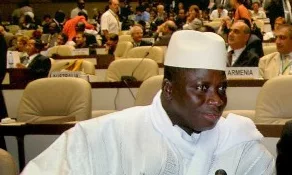
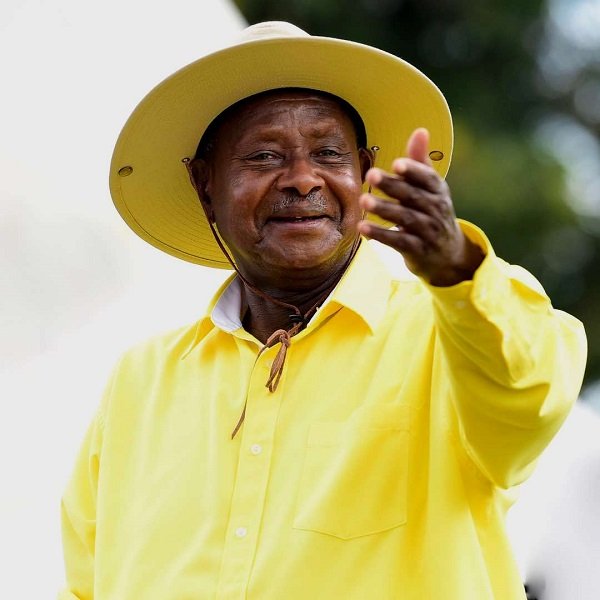
 Uganda President-elect Yoweri Museveni./FILE
Uganda’s President-Elect, Yoweri Kaguta Museveni, has described his landslide victory in the 2026 presidential election as a sign of renewed strength for the ruling National Resistance Movement (NRM) and set out key policy priorities for his upcoming term.
Speaking from his residence in Rwakitura, Kiruhura District, on Sunday, Museveni said the party’s success reflected broad support across the country and marked a revival of unity and mobilisation at the grassroots level.
He thanked security forces, religious and cultural leaders, and citizens for maintaining calm during the election period.
However, the president-elect raised concerns over incidents of violence reported in some areas, which he attributed to actions by individuals linked to opposition groups, particularly the National Unity Platform (NUP). He said security agencies had been forced to respond to attempts to disrupt the voting process in certain constituencies.
“Some of our opposition [members] are wrong but not terrorists. Some of them are wrong and terrorists. In Butambala, a character was defeated. Then their plan was that where NUP is defeated, gangs with pangas should attack the polling station. And that's what they did. When they lost, they tried to attack the polling station, and seven of them were shot dead,” President Museveni said.
Museveni noted a puzzlingly low turnout among some registered NRM supporters and has called for inquiries to understand why millions did not vote despite an expanded party register. He also urged engagement between religious leaders and opposition figures to ease political tensions.
Looking ahead, Museveni outlined a multi-pronged agenda for his next term.
Top priorities include poverty reduction, particularly for households still living below subsistence levels, which he said would be addressed through expanded financial support programmes and wealth-creation initiatives.
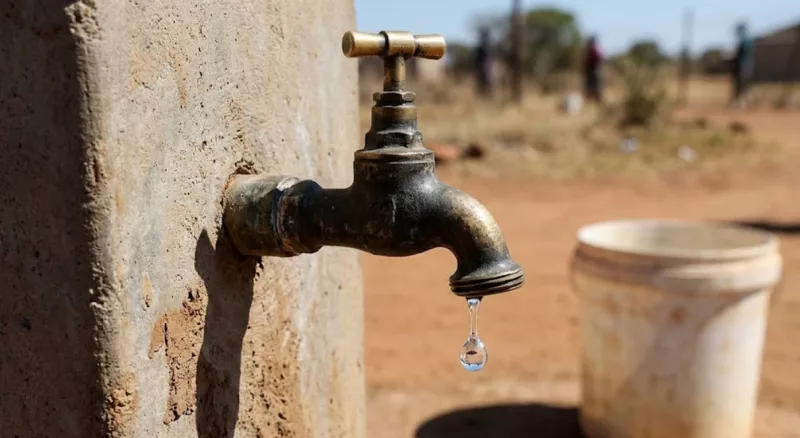
Other pledges include strengthening free universal education, improving health services, intensifying the fight against corruption, and advancing infrastructure projects such as road development and enhanced water distribution.
He also promised reforms in the justice system and further integration of Uganda into East African Community trade protocols.
On regional integration, Museveni said Uganda would continue to pursue closer economic cooperation within the East African Community, citing trade, infrastructure and labour mobility as key drivers of shared prosperity.
President William Ruto has formally congratulated Uganda’s President-elect Yoweri Museveni following the announcement of his re-election.
In a congratulatory message, Ruto said the result reflects the trust that the people of the Republic of Uganda have in their personal leadership and the confidence enjoyed by the NRM party.
Ruto commended what he described as a peaceful poll and credited Ugandans for strengthening democratic institutions.
“Following the formal pronouncement of your re-election as the President of the Republic of Uganda last evening, 17 January, 2026, I convey, on behalf of the Government and people of the Republic of Kenya and my own behalf, my warm congratulations and best wishes to Your Excellency and to the great people of Uganda,” Ruto said.
“Your decisive victory at the just-concluded competitive General Election reflects the trust that the people of the Republic of Uganda have in your personal leadership and the confidence enjoyed by the NRM party. I am certain your re-election reinvigorates Your Excellency's resolve to accelerate the transformation of your country.”
He underscored longstanding bilateral ties, reaffirming Nairobi’s commitment to regional cooperation.
“For undertaking a peaceful election, I sincerely commend the people of Uganda and all stakeholders in the electoral process, which attests to the democratic maturity of Uganda,” the president said.
Museveni’s re-election extends his decades-long tenure and draws regional attention as East Africa manages shifting political and economic dynamics.
Museveni, 81, was declared the winner of Uganda’s January 15, 2026, presidential election, extending his remarkable hold on power to a seventh term.
Museveni’s victory underscores his continued dominance of Ugandan politics, a tenure that stretches back four decades and makes him one of Africa’s longest‑serving leaders. His new term will now run from 2026 to 2031.
The Electoral Commission announced results showing Museveni’s National Resistance Movement (NRM) comfortably ahead, with 7.9 million votes, equivalent to 71.6% of the total votes cast. His main challenger, Robert Kyagulanyi, popularly known as Bobi Wine, received 2.7 million votes.
The National Unity Platform (NUP) leader rejected the presidential election results being announced by the Electoral Commission, accusing authorities of ballot stuffing, military interference in the electoral process and the detention of opposition leaders and polling officials.
“I reiterate our complete rejection of the fake results Byabakama is reading,” Kyagulanyi said, insisting the outcome had “zero backing”.
He further condemned the alleged killing of citizens protesting the conduct of the election, saying Ugandans had a constitutional right to demonstrate peacefully in defence of their democratic choice.
Museveni first rose to national prominence as the leader of the National Resistance Army (NRA), a rebel movement that waged a five‑year guerrilla war against Milton Obote’s government and its successor.
In January 1986, Museveni seized power and effectively ended years of political violence in the East African nation. His initial years in office focused on stabilising the economy and ending protracted insurgencies, particularly in the north of the country.
Under the 1995 Constitution, Uganda established a framework for multiparty democracy and set presidential term and age limits. The constitution set a two‑term cap for presidents, with additional age thresholds requiring candidates to be at least 35 years old and no older than 75. Yet, political developments in subsequent years altered that framework significantly.