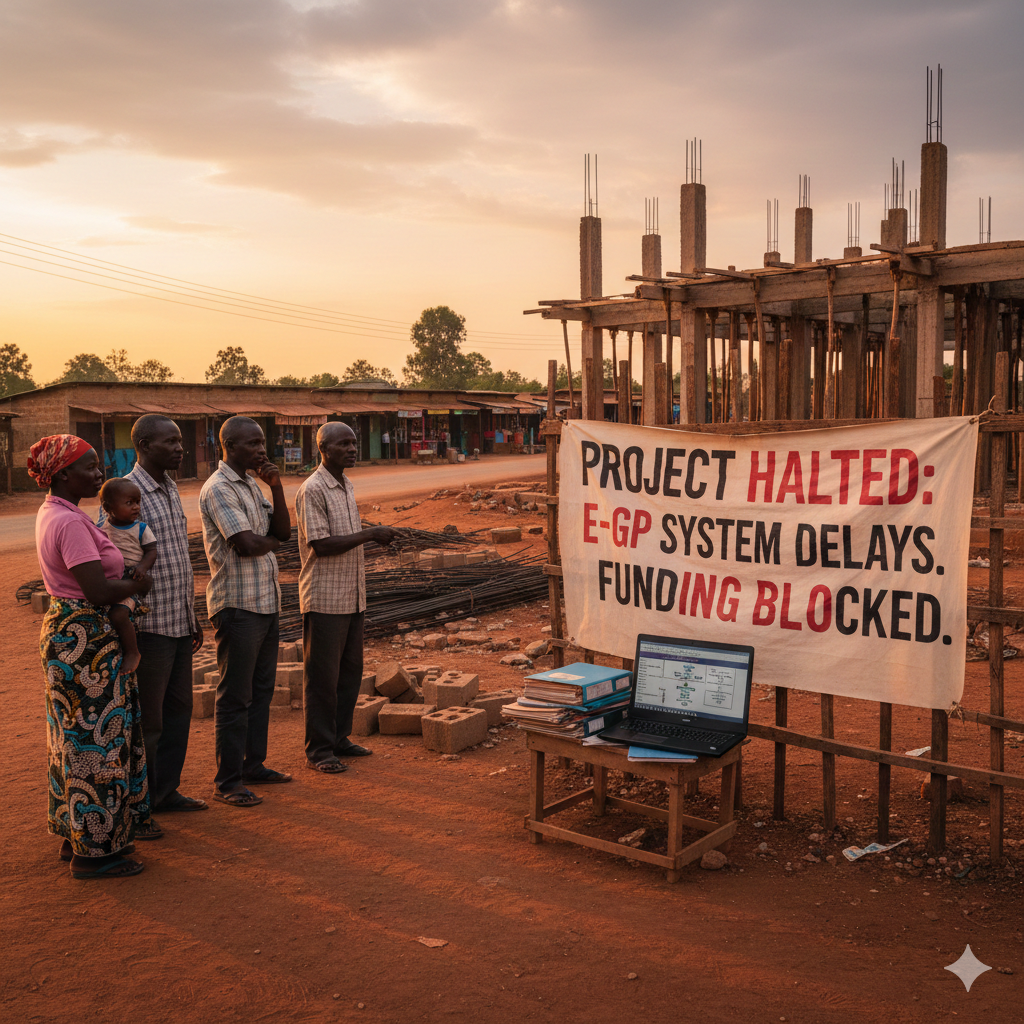
A new report has revealed how the recently rolled out electronic government procurement system is stifling procurement in counties, leading to stalled projects across devolved units and slowing service delivery.
The report by the Parliamentary Budget Office shows that counties are facing challenges in implementing the new procurement system, adversely affecting budget execution in the early months of the 2025-26 financial year.
According to the PBO, the slow uptake of the e-GP platform has emerged as a major bottleneck in budget implementation during the first three months of the financial year.
Counties experienced delays in procuring key development projects through the system, resulting in setbacks in the initiation and completion of projects and essential service delivery programmes.
“These delays could slow overall budget execution stemming from stalled procurement, contributing to the accumulation of pending bills,” the report notes.
The PBO warned that prolonged disruptions could undermine development outcomes at the county level.
Governors have raised concerns that the e-GP platform is flawed and ineffective, arguing that it has hindered counties from issuing contracts or acquiring essential goods and services.
They contend that the system’s rollout was rushed, with inadequate testing and limited training of procurement officers and other users at the county level.
As of September 30 last year, counties had yet to pay contractors Sh51.79 billion for completed development activities.
The PBO warns that this figure is likely to rise as procurement delays persist, potentially straining relations between counties and suppliers while worsening the problem of pending bills.
“Full transition to the e-GP platform has encountered implementation challenges including system downtime, limited user capacity and protracted approval workflows,” the PBO report states.
“These constraints have slowed procurement cycles for key programmes, potentially delaying the initiation and completion of critical public investment projects and weakening the overall fiscal multiplier.”
The findings come just days after the Controller of Budget cited 20 counties for recording nil development expenditure between July and September 2025.
The Controller of Budget report further revealed that the remaining 27 counties spent only Sh3.69 billion on development during the same period, representing a dismal absorption rate of just two per cent of the annual development budget of Sh218.99 billion.
The low absorption of development funds has largely been attributed to a requirement in the current financial year that all government procurement processes — including those undertaken by county governments—be conducted exclusively through the e-GP system.
While the policy shift was intended to enhance accountability, uncertainties surrounding the system’s implementation have continued to delay procurement activities.
The e-GP system is designed as an end-to-end digital platform for the procurement of goods, works and services, in line with the Public Procurement and Asset Disposal Act, 2015.
Its rollout was expected to enhance transparency, reduce opportunities for corruption and misprocurement, and standardise procurement processes across county and national government entities.
However, despite being piloted in three counties—Makueni, Busia and Elgeyo-Marakwet—the system has encountered persistent challenges.
These include unreliable system functionality, difficulties in uploading budgets and procurement plans and frequent downtimes that disrupt procurement workflows.
The PBO warns that these uncertainties could delay the timely acquisition of essential goods and services at the county level, including critical supplies such as medicines, medical equipment and other inputs required for frontline service delivery.
In September last year, Nyeri Governor Mutahi Kahiga raised concerns over what he termed a hurried rollout of the system without adequate test runs or comprehensive training for county officials.
“We are headed to the closure of the first quarter of the financial year and the Controller of Budget is going to give a report on absorption of funds, yet we have not been able to operate,” Kahiga said.
“We see it as a scheme to paralyse counties. We received the July disbursement, but you cannot spend it because of delays in budget approvals and many other things introduced midway.”
Makueni Governor Mutula Kilonzo Jnr, whose county was part of the pilot programme, said the system was still not functioning effectively, raising questions about its readiness for nationwide rollout.
“The idea was for the platform to be tested at the pilot stage before rollout. If the pilot counties are not working, then how will the system work in the other counties?” he posed.
“To stall counties like this is not fair. We cannot procure anything. You cannot do anything apart from paying salaries without procurement. We are nearing the end of the first quarter, yet money budgeted for development cannot be spent,” he added.
INSTANT ANALYSIS
The PBO has recommended urgent interventions, including a phased implementation of the e-GP system and enhanced collaboration between counties and the National Treasury, to ensure that procurement delays do not continue to undermine service delivery and development across the counties.