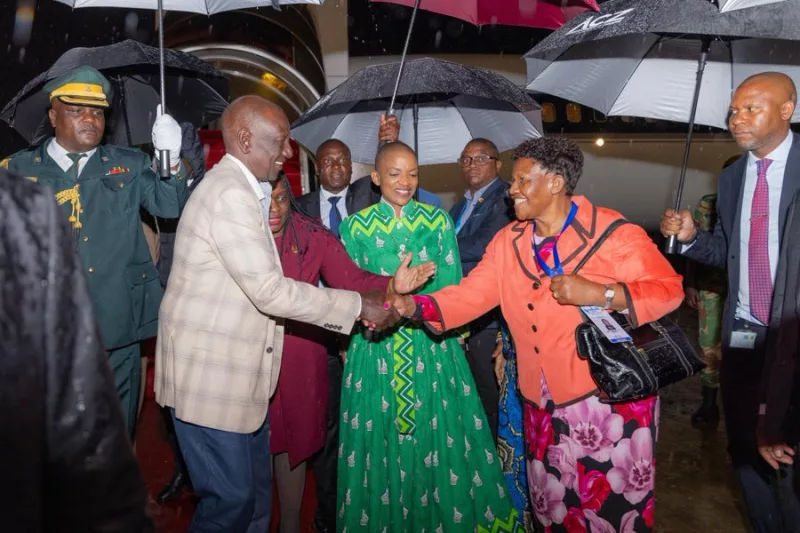
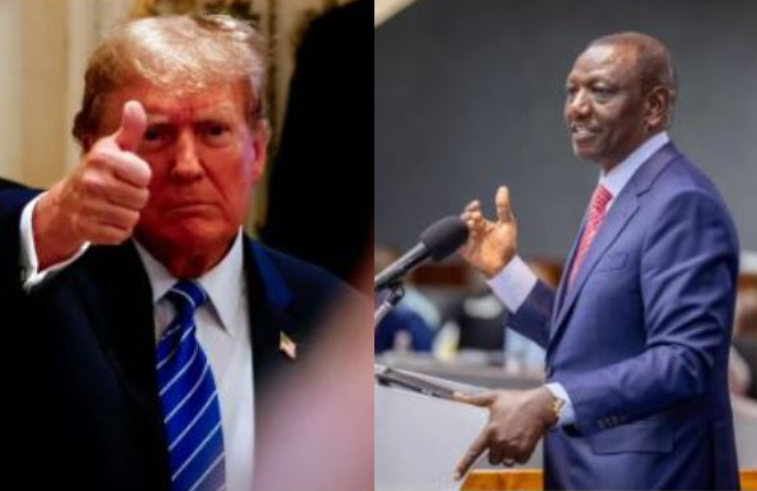
 A collage of US President Donald Trump and President William Ruto/FILE
Kenya-based organisations have strongly criticised the decision by the US to withdraw from more than 60 UN bodies and other international organisations.
US President Donald Trump announced the intention to withdraw from a sweeping list of global bodies, including major climate, science, trade, human rights and development institutions.
The withdrawal affects at least 31 UN-affiliated agencies and 35 other bodies, including the UN Population Fund, the UN Framework Convention on Climate Change (UNFCCC), the Intergovernmental Panel on Climate Change (IPCC) and many others involved in areas critical to Kenya and the wider African region.
Experts and advocates warned that Kenya’s position as a key host of global and regional UN operations amplifies the potential fallout from the US move.
Nairobi is home to the United Nations Office at Nairobi (Unon) - the only UN headquarters in Africa and the global south - as well as the global headquarters of the United Nations Environment Programme (Unep) and UN-Habitat and country offices for agencies such as Unicef, UNDP, WHO, UNFPA, WFP, IOM and others.
David Obura, chairman of the Intergovernmental Science-Policy Platform on Biodiversity and Ecosystem Services (Ipbes), described the US action as deeply disappointing and out of step with urgent global needs.
“The United States is a founding member of Ipbes and scientists, policymakers and stakeholders – including Indigenous people and local communities – from the United States have been among the most engaged contributors to the work of Ipbes since its establishment in 2012,” Obura said.
He said scientific evidence remains essential, regardless of political decisions.
“While it is clearly the prerogative of governments to withdraw from global processes, like those of Ipbes, it is important to remember that this does not change the science or the relevance of that science to the lives and livelihoods of people in every community, in every part of the world.”
He said biodiversity loss and environmental damage will not wait for political realignment, pointing to stark facts about species extinction and economic losses due to environmental degradation.
Mohamed Adow, founder and director of Nairobi-based Power Shift Africa condemned the withdrawal, particularly from climate and scientific bodies such as the UNFCCC and the IPCC.
“The US withdrawal from the UNFCCC and IPCC is yet another ignorant and reckless act from Donald Trump,” Adow said.
“While the US retains the right to debate and determine its own policy priorities, retreating from international climate agreements when the impacts of the climate crisis are biting harder than ever, undermines not just global solidarity, but also effective policymaking everywhere, including in Washington.”
Adow said the withdrawal will not protect Americans from climate impacts and may isolate the US from global solutions at a time when international cooperation is vital:
“Let’s be clear: this withdrawal will also harm the American people themselves. The US faces escalating climate impacts, from catastrophic wildfires and storms to agricultural disruption and infrastructure damage,” he said.
“By abandoning international climate frameworks, America isolates itself from global solutions and risks being left behind as the rest of the world accelerates toward a clean energy economy that will define 21st-century prosperity.”
Adow called on cities, states, civil society, and the Global South – including African nations – to step up their climate efforts, even without American leadership.
Analysts in Nairobi say the decision could hit Kenya in multiple ways. As one of several countries hosting major UN offices and hundreds of international staff, diplomatic presence, job creation and economic activity linked to international organisations could be affected.
The UN office at Nairobi supports services for many UN agencies and employs thousands of workers directly and indirectly.
Some reports estimate the presence of UN and related diplomatic missions contributes significantly to the local economy, particularly in Gigiri and surrounding areas that host embassies, multilateral organisations and associated services.
Experts also point to funding uncertainties for programmes that Kenya relies on for health, food security, climate action and refugee support.
With the US traditionally one of the largest contributors to many global funds and agencies, its departure could constrain budgets and force programme cuts or restructuring.
Beyond Kenyan and African reactions, global bodies have weighed in. The IPCC said it has taken note of the US announcement but will continue its scientific work.
“The IPCC is an organisation consisting of governments that are
members of the United Nations or the World Meteorological Organisation. As
such, and in line with the principles governing IPCC’s work, participation in
the work and processes of the IPCC is voluntary, free and open to all WMO and
UN Member countries – with or without a formal announcement,” the panel said.
Instant analysis
The US decision to withdraw from over 60 UN and international bodies risks undermining global cooperation at a critical time, with significant implications for Kenya. As host of the UN Office at Nairobi and key agencies like UNEP and UN-Habitat, Kenya could face economic disruptions, reduced funding for health, climate, and development programs, and weakened diplomatic engagement. Experts warn that retreating from climate and scientific institutions isolates the US while leaving urgent global challenges—biodiversity loss, environmental degradation, and climate impacts—unaddressed. The move underscores the need for the Global South, African nations, and civil society to accelerate local solutions and safeguard development gains.