United Nations High Commissioner for Refugees Barham Salih has called on the international community to scale up support for Kenya, which hosts one of Africa’s largest refugee populations.
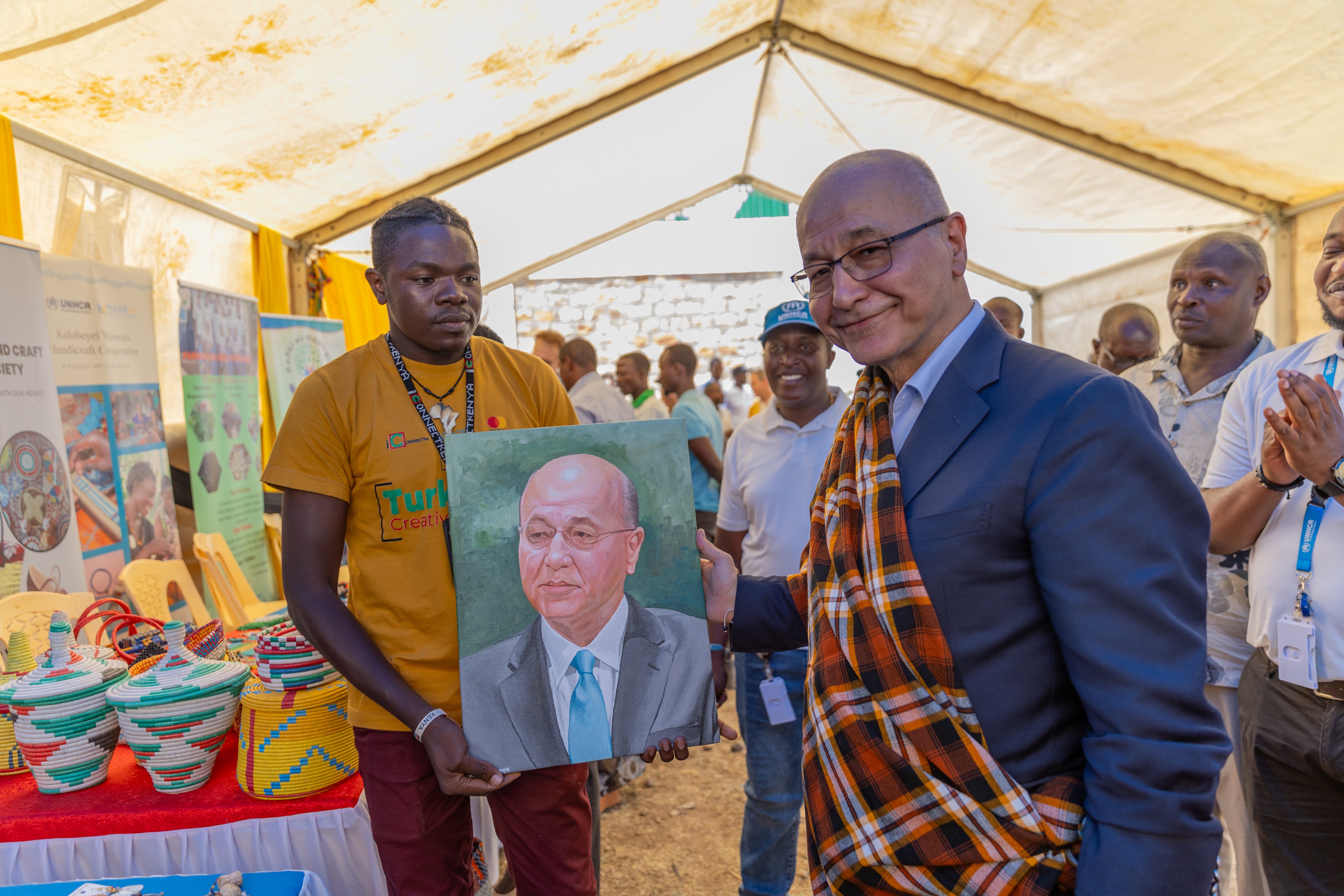
During his inaugural visit to the country since assuming office this month, Salih said Kenya is setting an important global example through its progressive refugee policies, particularly the Shirika Plan.
The initiative seeks to integrate refugees into host communities and reduce long-term aid dependency.
The former Iraq President said the plan demonstrates how protection, inclusion and self-reliance can go hand in hand.
“Kenya has delivered an important initiative as some other countries in the region have. This is something that we need to support.
“The international community, the development agencies, the World Bank and others need to engage to make sure that the notion of shared development is one way to include refugees into national life,” Salih said.
He regretted that the funding crisis is threatening lives and risks reversing the hard-won progress made.
“That is why I am urging development actors, international financial institutions, donors and the private sector to step up their support for the Shirika Plan,” Salih said.
Discussions with refugee-led organisations were particularly important in shaping solutions that are inclusive and sustainable, the UNHCR boss added.
He toured Kakuma and held high-level meetings with President William Ruto, Prime Cabinet Secretary and Foreign Affairs CS Musalia Mudavadi, development partners and refugee-led organisations.
The visit focused on refugee protection, durable solutions and the transition from humanitarian assistance to sustainable livelihoods.
“Refugee inclusion and finding solutions are core to protecting refugees. Kenya is leading the way,” Salih said.
“I saw how refugees have access to healthcare, education and play an active part in society, benefiting the whole community. This is how we move from aid dependency to self-reliance. Kenya is doing its part. It needs greater international support,” he added.
The commissioner also regretted that global displacement continues to rise, while funding for humanitarian responses remains under pressure.
Kenya currently hosts 854,876 registered refugees and asylum seekers from more than 20 countries in Garissa’s Dadaab camp and Turkana’s Kakuma, as well as in urban centres such as Nairobi. There are another over 100,000 unregistered asylum seekers.
Dadaab and Kakuma refugee camps and aid agencies are grappling with a fresh wave of arrivals despite limited resources and stretched humanitarian systems.
According to the UN Commission on Human Rights in South Sudan, the escalating conflict has forced at least 300,000 people out of the country, with 25,000 ending up in Kenya.
Ruto, who met Salih at State Lodge Sagana, reaffirmed Kenya’s long-standing commitment to providing refuge to people fleeing war, conflict and instability.
“Kenya is renowned as a welcoming, secure nation that has played host to tens of thousands of refugees and immigrants over the decades,” he said.
“For the past 40 years, the government of Kenya has worked closely with the United Nations High Commissioner for Refugees in supporting refugees from neighbouring countries fleeing war, conflict and instability. Kenya has given them comfort, a home away from home and a stable environment.”
The President pointed to the Shirika Plan, which was launched last year, as a cornerstone of the country’s refugee policy reforms.
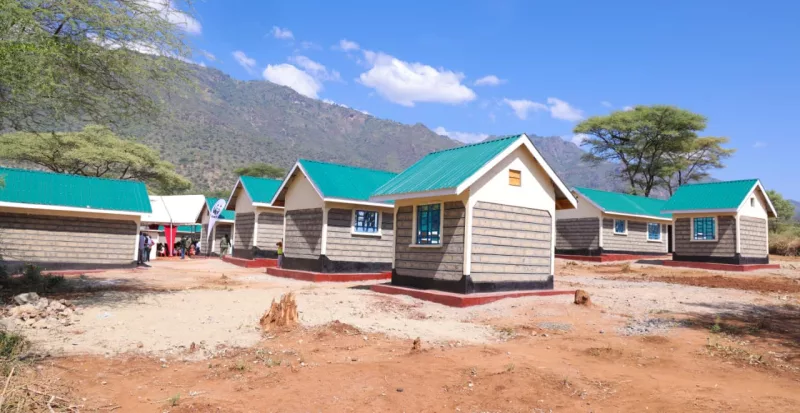
The plan aims to transform traditional refugee camps into integrated settlements that benefit both refugees and host communities.
“The plan promotes self-reliant settlements and socio-economic inclusion for both refugees and host communities, moving refugees from dependency to self-reliance,” Ruto said.
“As this noble and ambitious plan is being rolled out, we ask the international community to support the programme.”
Mudavadi echoed the call for stronger global burden-sharing, saying Kenya’s leadership in hosting refugees comes with significant social and economic costs that require sustained international backing.
Mudavadi said the Shirika Plan, which is jointly implemented by the government and UNHCR, is driving concrete action by easing pressure on host communities, while expanding opportunities for refugees.
He cited improvements in access to health, education, social protection, environmental management and, most critically, sustainable livelihoods.