The National Treasury has initiated plans to sell a 15 per cent stake in Safaricom PLC to the Vodacom Group, aiming to raise resources for key development initiatives.
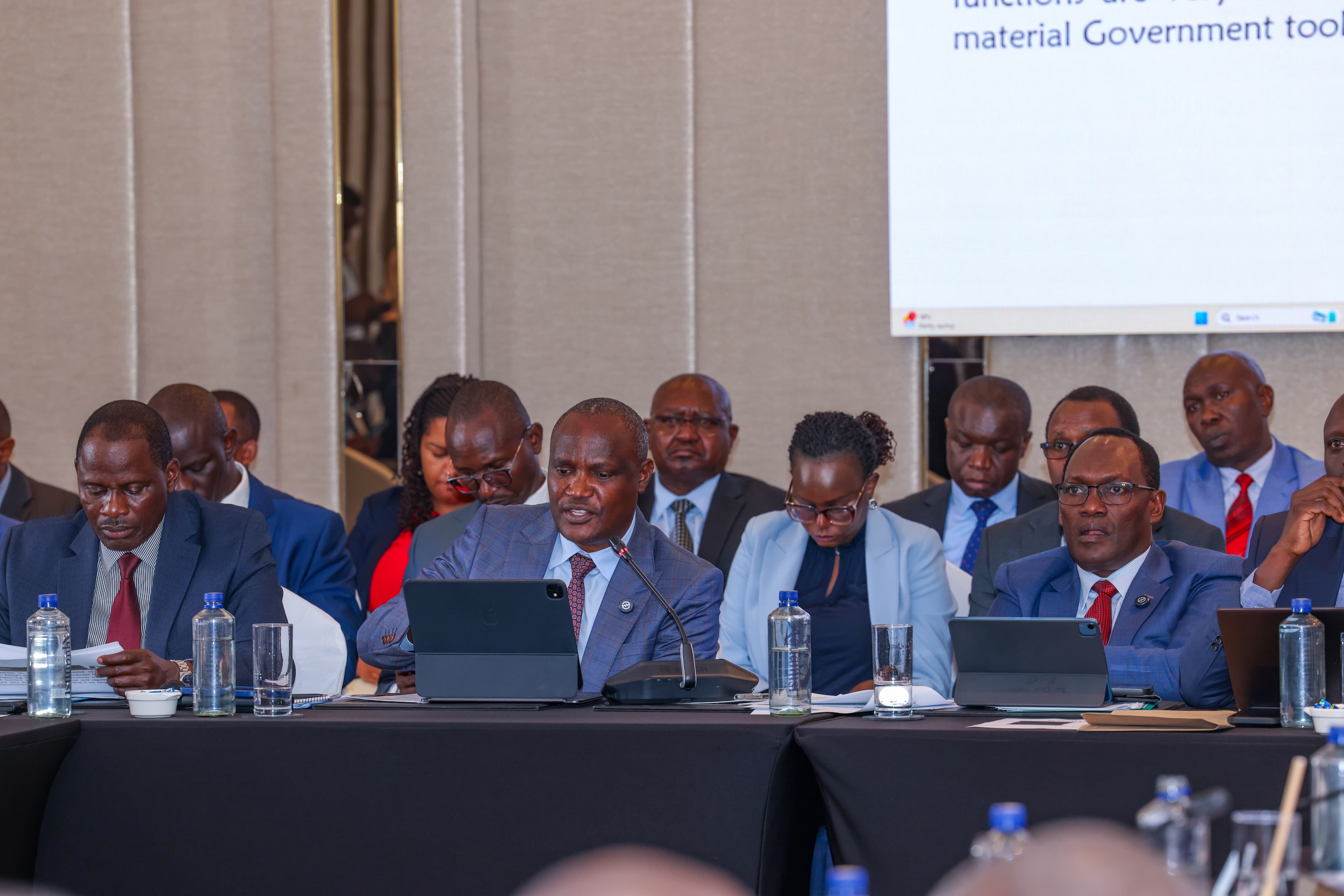
Appearing before a joint committee of the National Assembly, Cabinet Secretary for the National Treasury John Mbadi said the proposed sale is expected to generate approximately Sh204.3 billion. Including an upfront dividend monetisation component, total proceeds are projected at Sh244.5 billion.
Under the proposal, the government will sell 6,009,814,200 shares, representing 15 per cent of Safaricom, for Sh34 per share, a 23.6 per cent premium over the six-month volume-weighted average price as of December 2025.
Following the proposed transaction, the government is expected to retain a 20 per cent stake, while Vodacom Group’s ownership would rise to 55 per cent, consolidating stakes previously held by the government and Vodafone.
CS Mbadi, accompanied by Principal Secretary Chris Kiptoo, said the proceeds will provide seed capital for the proposed National Infrastructure Fund and the Sovereign Wealth Fund.
He emphasised that the move reflects a strategic shift toward alternative financing mechanisms amid tightening fiscal conditions, with private sector participation playing an increasing role in meeting the country’s development needs.
“The funds will be directed to priority sectors including energy, roads, water, airports, and digital infrastructure, while reducing reliance on borrowing and taxation,” CS Mbadi said.
To safeguard public interest, the government will retain two board seats at Safaricom. The transaction includes commitments on employment stability, board leadership requirements, and continued support for the Safaricom Foundation.
CS Mbadi further explained that the divestiture is being carried out in accordance with the Privatisation Act, 2025, and Section 87A of the Public Finance Management Act, which requires parliamentary consideration within 28 sitting days.
The proposal is also subject to approvals by the Capital Markets Authority, the Central Bank of Kenya, and the Competition Authority of Kenya.
“The divestment aligns with broader reforms clarifying the government’s role in policy and regulation while allowing the private sector to lead in commercial activity. The scale of this transaction also reflects confidence in Kenya’s capital markets and the Nairobi Securities Exchange’s ability to accommodate large deals,” CS Mbadi said.
On the decision not to sell the shares directly to Kenyan retail investors, Mbadi said: “Selling Safaricom shares directly to Kenyans would not have given us value for money because we would have sold at a discount. If we released additional shares into the market and asked Kenyans to bid, they would simply follow the prevailing market price. Once you increase supply, you distort the price and the law of supply and demand takes effect. That is Economics 101.”