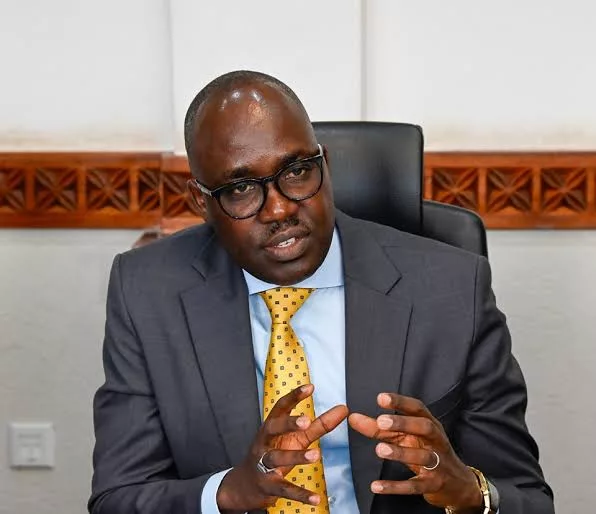
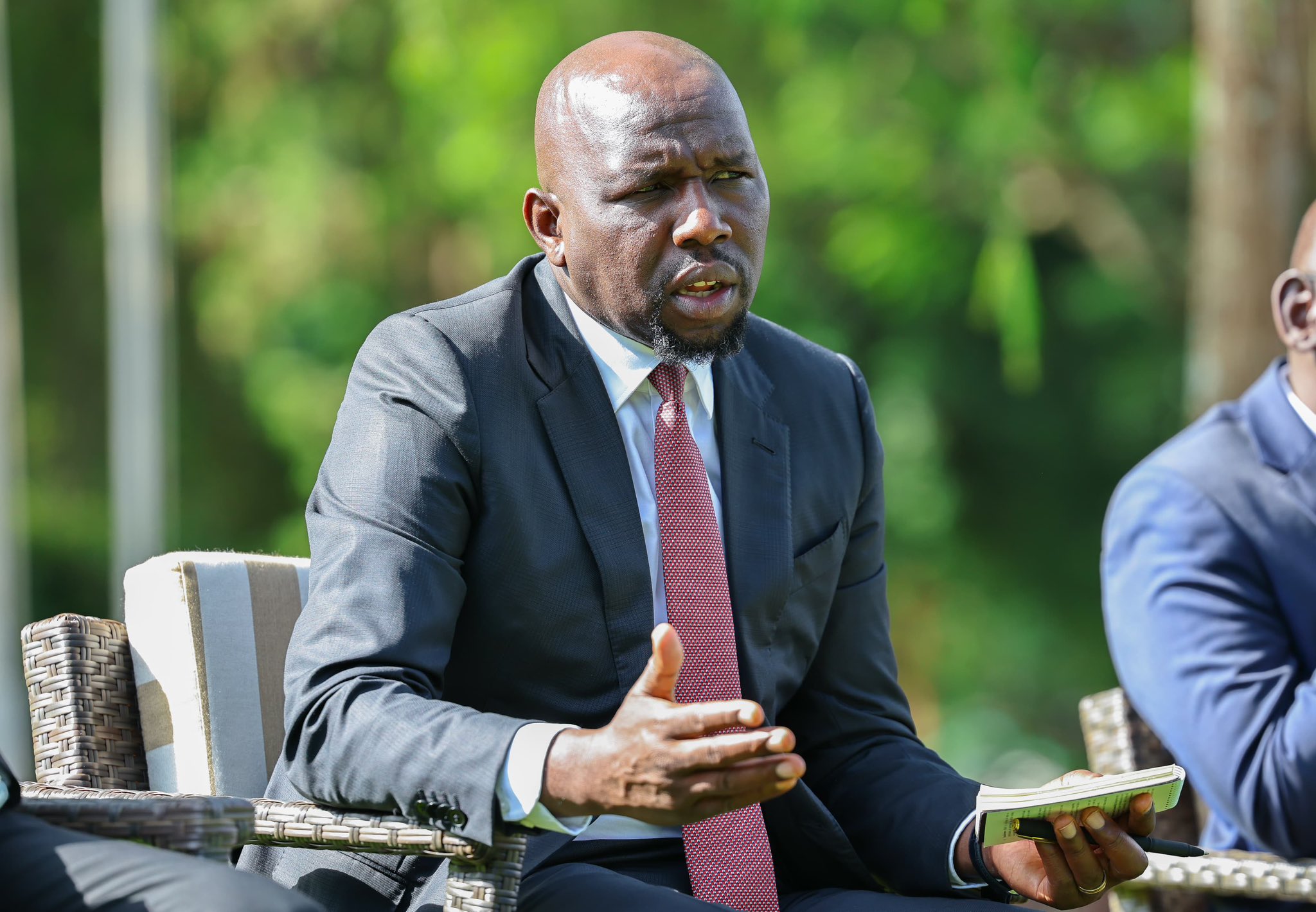
 Interior Cabinet Secretary Kipchumba Murkomen/HANDOUT
The government plans to raise Kenya’s legal drinking age from 18 to 21 years as part of a sweeping set of measures aimed at tackling what officials describe as a deepening national crisis of alcohol and drug abuse.
Interior Cabinet Secretary Kipchumba Murkomen said the proposal is among reforms being advanced following recommendations presented to President William Ruto, alongside plans to strengthen enforcement and tighten regulations across the alcohol industry.
“In the measures the president proposed, the first was to strengthen the anti-narcotics unit,” Murkomen said, noting that the unit is currently under-resourced.
He added that it has only 192 officers and lacks adequate vehicles, offices, and modern equipment for testing and surveillance.
According to Murkomen, the second pillar of the proposed reforms focuses on reviewing the legal framework governing alcohol and drug control.
“Two ways to look at the legal framework and the proposals already on the table are to enhance the minimum age of drinking from 18 years to 21 years and ban online sale of alcohol,” he said.
He added that the government is also considering prohibiting alcohol advertising and restricting the sale of alcohol near schools.
The proposals come amid alarming statistics from the National Authority for the Campaign Against Alcohol and Drug Abuse (Nacada), which indicate that millions of Kenyans are struggling with substance use.
Murkomen said research by Nacada shows that 4.9 million Kenyans are addicted to one substance or another, with alcohol accounting for the largest share.
“We have a crisis of alcohol and drug addiction in the country, and this crisis is manifested in the statistics established after research done by Nacada” Murkomen said.
He explained that about 1.3 million people are fully addicted to alcohol, while approximately 300,000 are addicted to cannabis.
Overall, alcohol abuse affects an estimated 3.3 million people, with nearly two million others abusing different drugs.
The Interior CS stressed that the challenge extends far beyond government enforcement and requires a collective societal response.
He said addiction cuts across families, communities, and institutions, affecting both young people and adults.
Naada’s findings further indicate that substance use is prevalent among university students, with one in every eight students having used alcohol or drugs.
During his New Year’s address, President William Ruto unveiled an expansive national strategy to confront alcohol and drug abuse, describing the crisis as a major threat to Kenya’s health, security, and economic future and pledging decisive government action beginning in 2026.
The President warned that substance abuse had reached emergency levels, affecting millions of Kenyans and disproportionately harming young people and men, the country’s most productive population.
“Alcohol and drug abuse have become a clear and present danger to Kenya’s health, security, and economic future,” Ruto said, adding that the problem could no longer be treated as a marginal social issue.