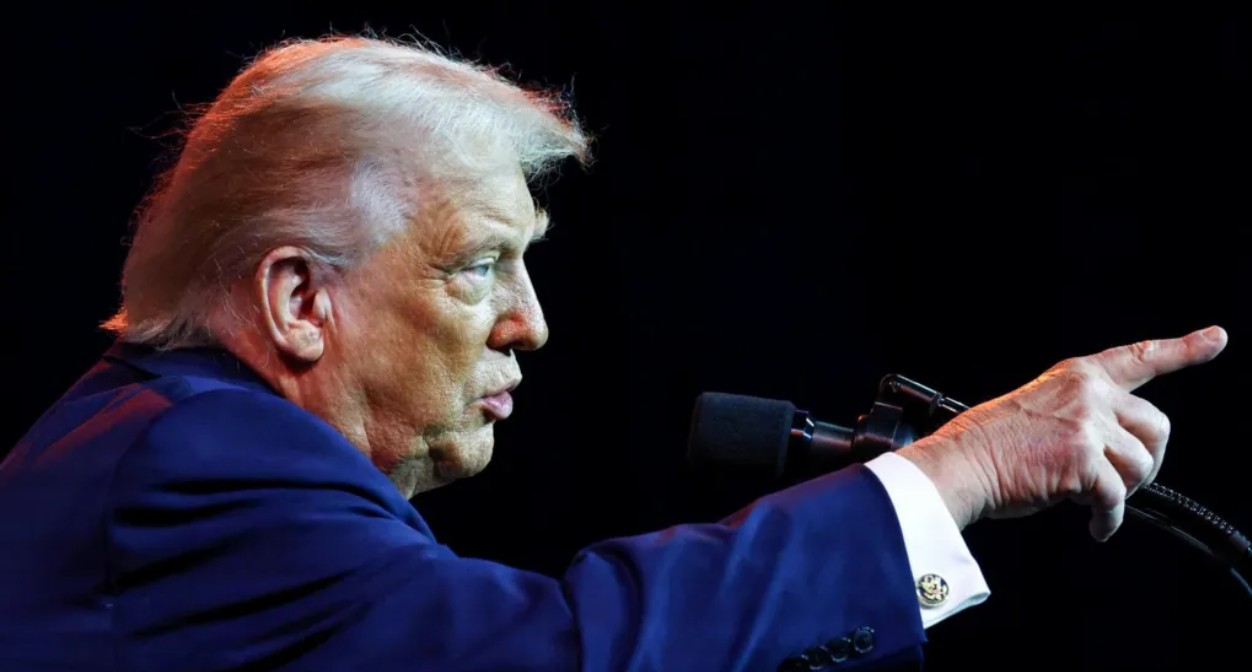
US President Donald Trump’s withdrawal from 31 UN agencies risks affecting key institutions and programmes in Kenya, which is preparing to expand the presence of the global body in Nairobi.
Given the US is the single largest global contributor to the UN, international relations experts opine that the significant funding cuts will have far-reaching implications.
This will expose the country’s heavy reliance on multilateral support across humanitarian relief, health, food security, governance and regional diplomacy.
Any retrenchment would therefore translate into immediate funding gaps for programmes that underpin Kenya’s social protection systems and regional stability role, they warn.
Among the affected agencies are the UN-Habitat, which is domiciled in Kenya, as well as United Nations Population Fund and UN Women, which were among the three UN agencies relocating to Nairobi.
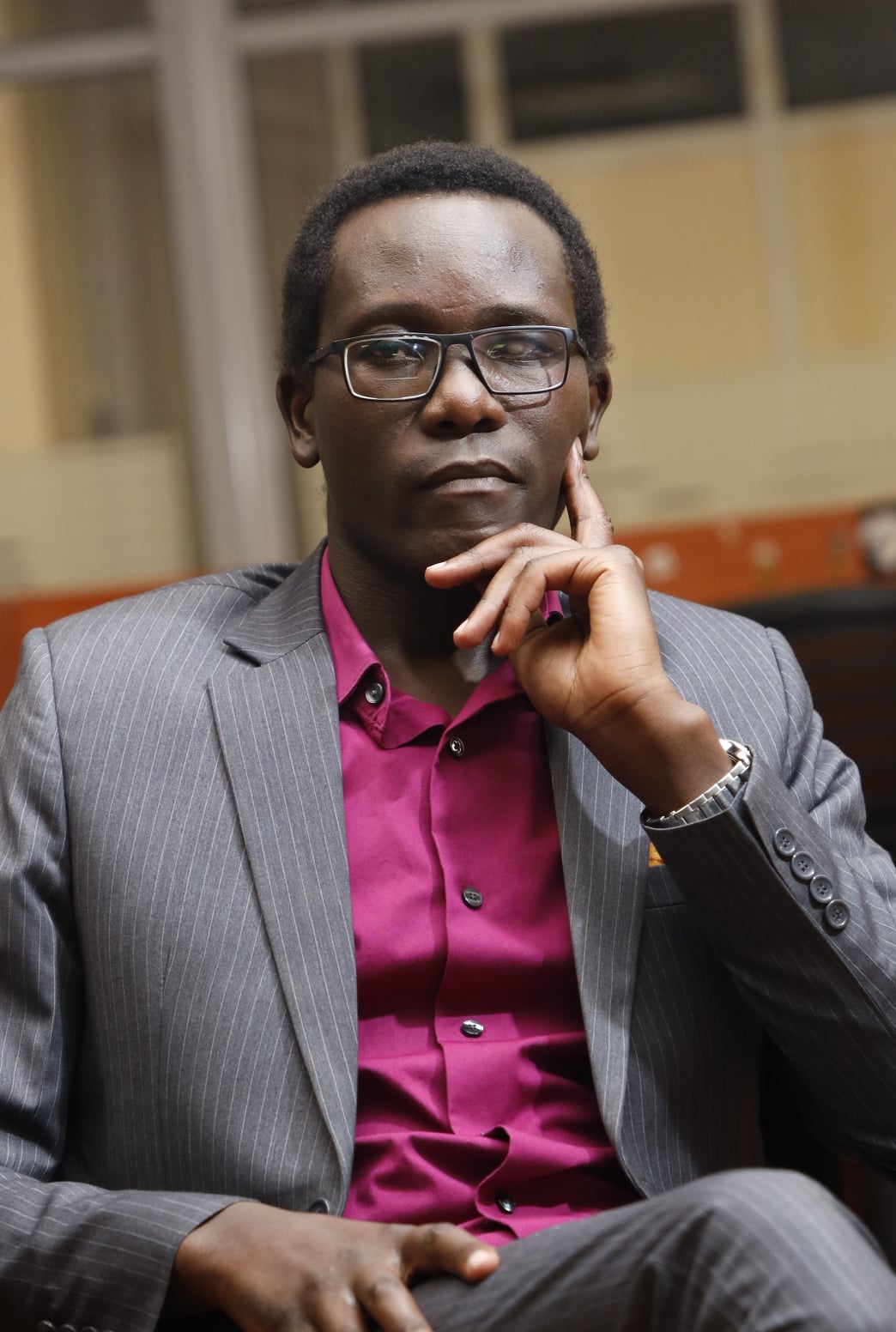
University don Dr Misiani Mwencha says Washington is withdrawing from the broader multilateral obligations, which is a loss to the UN system as it has been the leader traditionally.
This, Dr Mwencha says, creates uncertainty in funding and leadership in organisations that the US itself was involved in creating.
Mwencha, who is also the head of programmes at International Relations Society of Kenya, said the withdrawal will have implications on UN’s finances and operations, jeopardising key programmes.
“We are expecting budget shortfalls as the UN is not a resource generating organisation,” he said.
The UN Office in Nairobi has played a strategic role in anchoring Nairobi as a diplomatic capital and elevating Kenya’s international standing, and this risks being affected, Mwencha said.
He said the development offers an opportunity for Kenya to step up and ensure that as a host state, its support translates into numbers.
“The broader lesson is that as a host country, Kenya cannot be passive; it must actively contribute to the sustainability of the UN institutions it hosts,” the lecturer said.
Prof Macharia Munene who teaches International Relations and history at USIU, concurs that with the withdrawal, the UN is definitely going to lose money, which will have a ripple effect on logistical support in the global south where UN work is heavily present.
Macharia said the withdrawal is likely to affect jobs as well as the economy in the Gigiri neighbourhood.
“African countries have to readjust and take care of their own issues without expecting support from outside,” he said.
The withdrawal is also likely to heavily hit key programmes undertaken by the UN in Kenya.
Kenya hosts more than 700,000 refugees, primarily from Somalia and South Sudan, concentrated in Dadaab and Kakuma.
UN agencies such as the UN High Commissioner for Refugees, the World Food Programme and Unicef are central to sustaining food assistance, healthcare, education and protection services in these camps, with US funding forming a major share of their budgets.
A US withdrawal will thus likely result in reduced food rations at a time drought is causing havoc in Northeastern, scaled-back health services and cuts to education programmes.
Kenya’s exposure to climate shocks has made UN-supported drought response and food security programmes increasingly critical, particularly in arid and semi-arid lands. US-funded UN initiatives play a key role in early warning systems, emergency food aid and longer-term climate adaptation.
With the government already fiscally constrained, it is likely face pressure to step in where it has limited capacity.
Kenya’s public health ecosystem is deeply intertwined with UN agencies such as the WHO, Unicef and UNFPA, many of which rely heavily on US contributions. These agencies support immunisation programmes, maternal and child health services, reproductive health, and disease surveillance.
Funding cuts could weaken these responses not just nationally but across East African region.
A reduction in support would likely shrink food assistance during droughts, weaken climate resilience projects and leave vulnerable populations more exposed to hunger. In a country where food insecurity quickly becomes a political issue, especially in marginalised regions, such cuts could have broader social and political repercussions.
The US has also withdrawn from the UN Democracy and International Law Commission, agencies that contribute to governance reforms, electoral assistance, judicial capacity-building and human rights monitoring in Kenya.
These programmes provide technical support rather than direct funding to government, but their absence would still be keenly felt.
The impact of a US withdrawal would extend beyond finances. Kenya has traditionally positioned itself as a strong supporter of multilateralism, leveraging the UN for regional peace and security initiatives, climate diplomacy and Global South advocacy.
Among the agencies the US has also withdrawn from is the critical UN Framework Convention on Climate Change (UNFCCC).