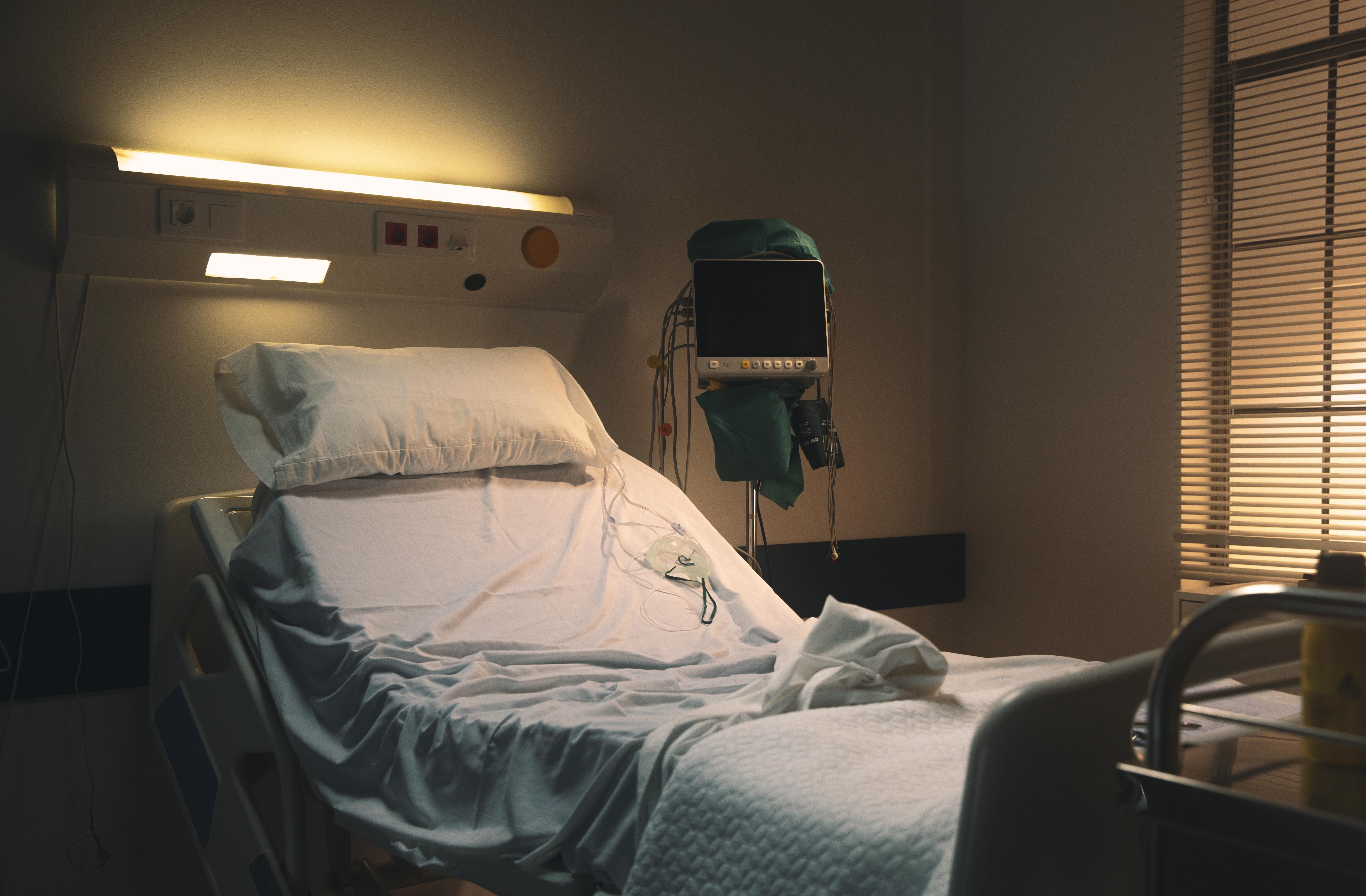
Picture this: you or a loved one falls critically ill, and you rush to the nearest county public hospital seeking urgent medical attention.
The expectation is simple — professional care, lifesaving drugs, and functioning equipment.
But upon admission, a grim reality hits you. There are no essential medicines. Critical medical equipment is broken, outdated, or entirely missing.
Doctors and nurses are overstretched, unavailable, or simply too few to handle the overwhelming patient load.
To make matters worse, some wards are dilapidated, overcrowded, and unhygienic, exposing the already vulnerable patients to further health risks.
This scenario is no exaggeration. It is the everyday reality facing thousands of Kenyans who depend on public healthcare facilities across the country.
The dire state of county hospitals has been laid bare in the latest audit reports by Auditor General Nancy Gathungu for the financial year ended June 30, 2025.
The reports paint a bleak picture of a healthcare system teetering on the brink of collapse, exposing widespread failures in service delivery that directly threaten patients’ lives.
According to the audit findings, most county referral and subcounty hospitals are grappling with chronic shortages of essential drugs, inadequate numbers of healthcare workers, rundown infrastructure, and a severe lack of basic medical equipment and supplies.
These persistent deficiencies continue to compromise the quality of care offered to patients and, in extreme cases, turn hospital admission into a dangerous gamble between life and death.
At the Kisii Teaching and Referral Hospital, the audit reveals an acute shortage of both personnel and medical equipment, severely affecting the quality of services offered.
The hospital has a staffing deficit of 100 essential medical workers.
Specifically, the facility has only eight medical officers against the required 50, two anesthesiologists instead of the required seven, and 185 nurses compared to the required 250.
Kisii referral hospital also lacks sufficient general surgeons, gynecologists, and pediatricians — specialists critical to handling emergencies and complex cases.
The equipment situation is equally alarming.
The hospital has only six functioning Intensive Care Unit beds against the required 12, and just three High Dependency Unit beds instead of 12.
“The shortages identified contravene the First Schedule of the Health Act, 2017 and imply that accessing the highest attainable standard of health, which includes the right to healthcare services, may not be achieved,” the Auditor General notes.
A similar situation is unfolding at the Meru Teaching and Referral Hospital. The facility has 23 medical officers against the required 50 and only one anesthesiologist instead of seven.
Additionally, the hospital has 364 beds against the required 500 and only six HDU beds against the required 12, stretching already limited resources.
The Machakos County Referral Hospital faces frequent stockouts of essential medical supplies.
During the period under review, the hospital experienced stockouts lasting more than 30 days.
“Review of the hospital’s stock cards for controlling stores indicated that the hospital experienced stockouts of medical supplies lasting up to 30 days,” the audit report states.
Shockingly, while patients went without critical drugs, hundreds of thousands of medical supplies expired while still on the shelves.
The audit reveals that 259,589 units of various drugs of undetermined value had expired at the facility.
The hospital also suffers from a staffing shortage of 150 health workers, representing about 41 per cent of its authorised establishment.
Additionally, the facility lacks over 45 critical medical equipment items, including renal dialysis machines, functional operating theatres, incubators for newborn units, and adequately equipped ICUs and HDUs.
“In the circumstances, the hospital will not be able to deliver on its mandate,” the report concludes.
At Kapsabet County Referral Hospital in Nandi, the staffing crisis is even more severe. The hospital has a shortage of 251 medical personnel, including medical officers, anesthesiologists, general surgeons, nurses, and radiologists.
The audit shows that the facility has only 72 nurses against the required 323. Equipment shortages are equally staggering, with a deficit of 337 medical equipment items.
The hospital has just 200 beds instead of the required 500, two incubators instead of 10, no HDU beds at all, and only two ICU beds against the required 12.
Further inspection revealed that some existing equipment had anomalies, raising questions about their safety and usability.
In Mandera county, Banisa subcounty hospital was found to have expired drugs of unknown value still sitting on shelves during the audit period.
Worse still, the hospital lacks a policy on the disposal of expired medicines.
“It was also noted that some drugs were out of stock, thereby hampering service delivery,” the report states.
Banisa hospital also faces a shortage of 62 health workers and 59 medical equipment items.
Despite indicating that it offered essential services such as minor surgical procedures, pediatric care, and radiology services, the audit questioned the facility’s capacity to provide these services due to the absence of qualified specialists.
The situation is no better at Elwak Subcounty Level 4 Hospital, also in Mandera, which has a shortage of 22 health workers.
In Kajiado county, Ngong Subcounty Level 4 Hospital has a staffing shortage of 40 health workers, including medical officers and nurses, alongside a deficit of 77 equipment items, including hospital beds.
At Tseikuru Subcounty Hospital in Kitui county, medical supplies valued at more than Sh1 million had expired at the time of the audit, pointing to serious weaknesses in inventory management.
At Mutituni Level 4 Hospital in Machakos and Mbooni subcounty hospital in Makueni, the managements have failed to conduct a safety and health audit as required by law to guarantee the safety of patients and staff.
The facilities also face an acute shortage of equipment and staff.
At the Engineer County Level 4 hospital in Nyandarua, the report revealed inadequate staff, leading to some departments, like occupational therapy, radiology, and imaging units, being unable to operate.
“Without these facilities and staff, the hospital may not be able to provide services to the residents at the expected level for a Level 4 Hospital,” the report states.
In Garissa county, Iftin subcounty hospital has a shortage of 75 health workers, representing 74 per cent of the required workforce. The hospital also lacks 150 essential medical equipment and machines.
“These deficiencies contravene the First Schedule of the Health Act, 2017 and imply that the highest attainable standard of health, which includes the right to healthcare services, may not be achieved,” the report states.
In Uasin Gishu county, Huruma subcounty hospital has a shortage of 76 health personnel and 164 machines, severely affecting service delivery.
Taken together, the Auditor-General’s findings expose a healthcare system riddled with mismanagement, underinvestment, and weak oversight.
Despite billions of shillings allocated to county health services annually, patients continue to suffer due to staff shortages, expired drugs, non-functional equipment, and crumbling infrastructure.