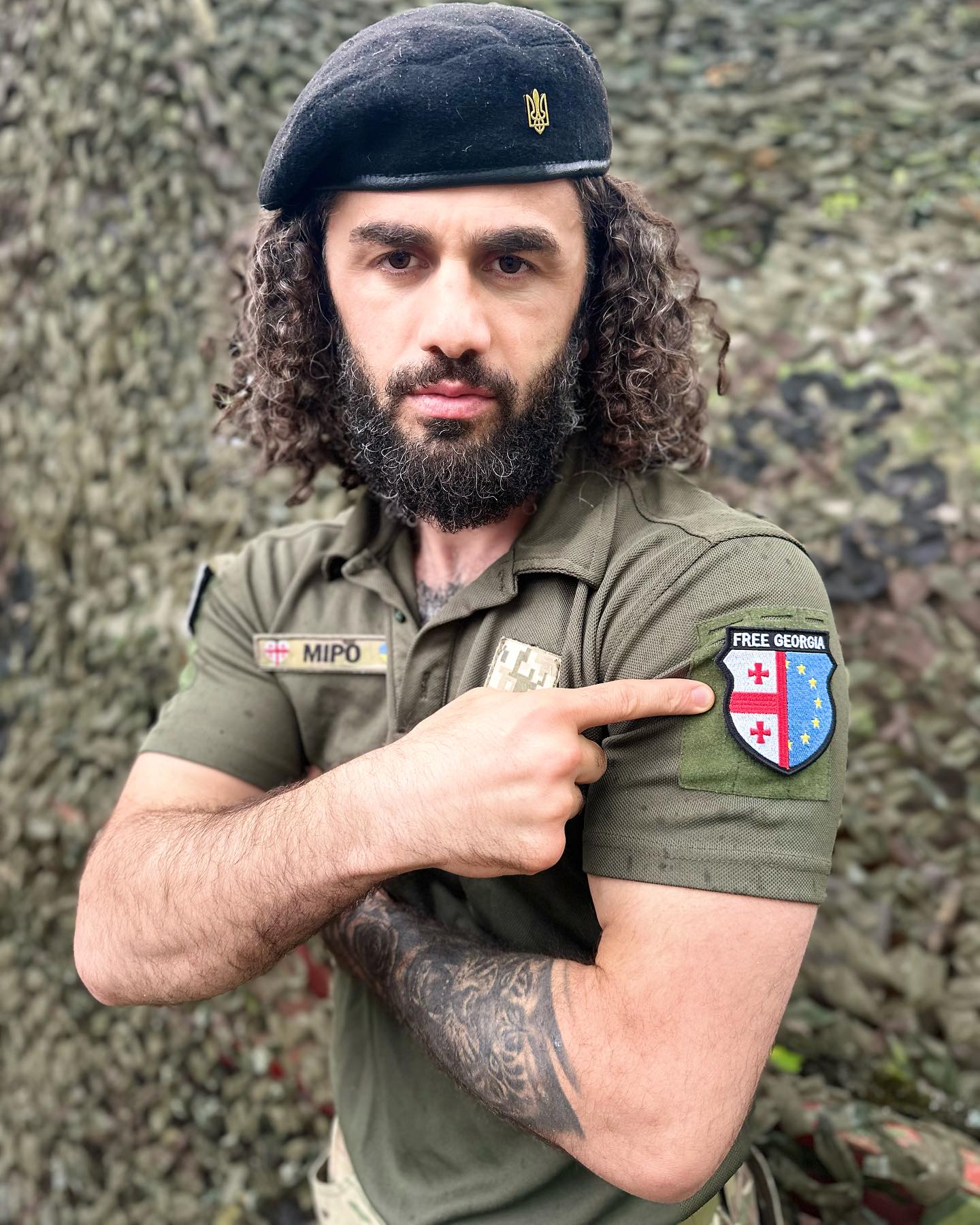
“I do not want to talk about my injuries. They are nothing compared to the deaths of children and civilians killed by Russian attacks,” these are the words of Miro Vanadze during an interview with The Star.
Miro Vanadze, a two-time mixed martial arts (MMA) world champion, speaks softly about titles and trophies.
For him, the defining chapter of his life is no longer written in the ring but on the battlefields of Ukraine, where he has fought as a volunteer and soldier since the early days of Russia’s invasion.
Vanadze, a Georgian national, lived in Ukraine before the war began. When Russian forces launched their full-scale attack, he said the decision to stay and help came naturally.
“I lived in Ukraine before the war started, and after it began I became a volunteer, helping Ukrainians through a difficult time,” Vanadze said. “My father once told me that the country where you live becomes your second home.”
As Russian troops advanced toward Kyiv in the opening phase of the invasion, Vanadze joined one of the units of the Ukrainian military.
He was deployed to Bucha and Irpin, regions that later became symbols of the brutality of the early fighting.
“When the Russian army started attacking Kyiv, I became a soldier in one of the units of the Ukrainian military,” he said.
The cost of the war became personal almost immediately. Vanadze lost two close friends, fellow soldiers, during the initial stages of the conflict.
“At the start of the war, I lost two of my best friends,” he said. “They were soldiers like me, and now I understand that freedom has no borders. I am Georgian, but I have to be in this war.”
Vanadze’s decision to fight came despite a successful sporting career.
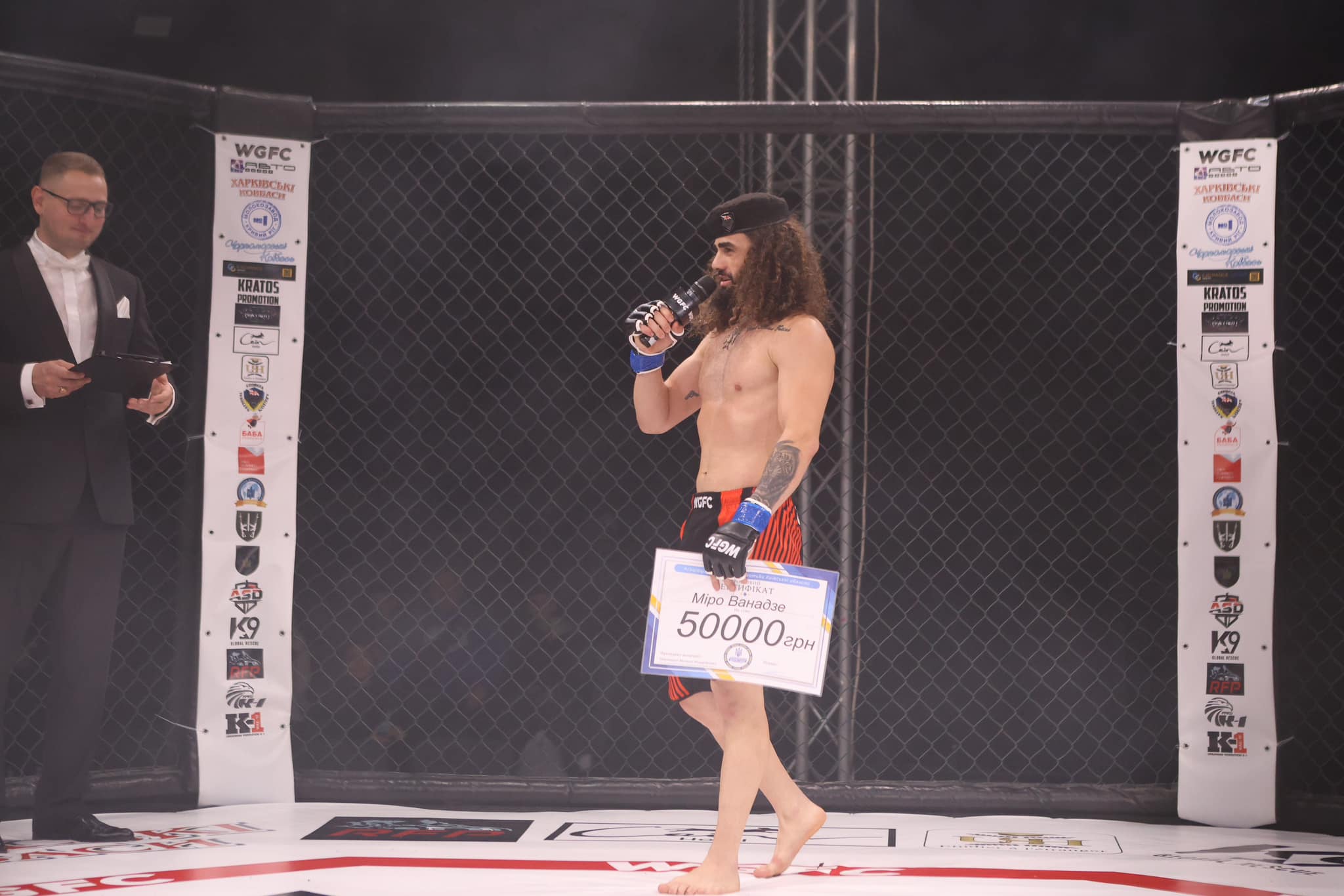
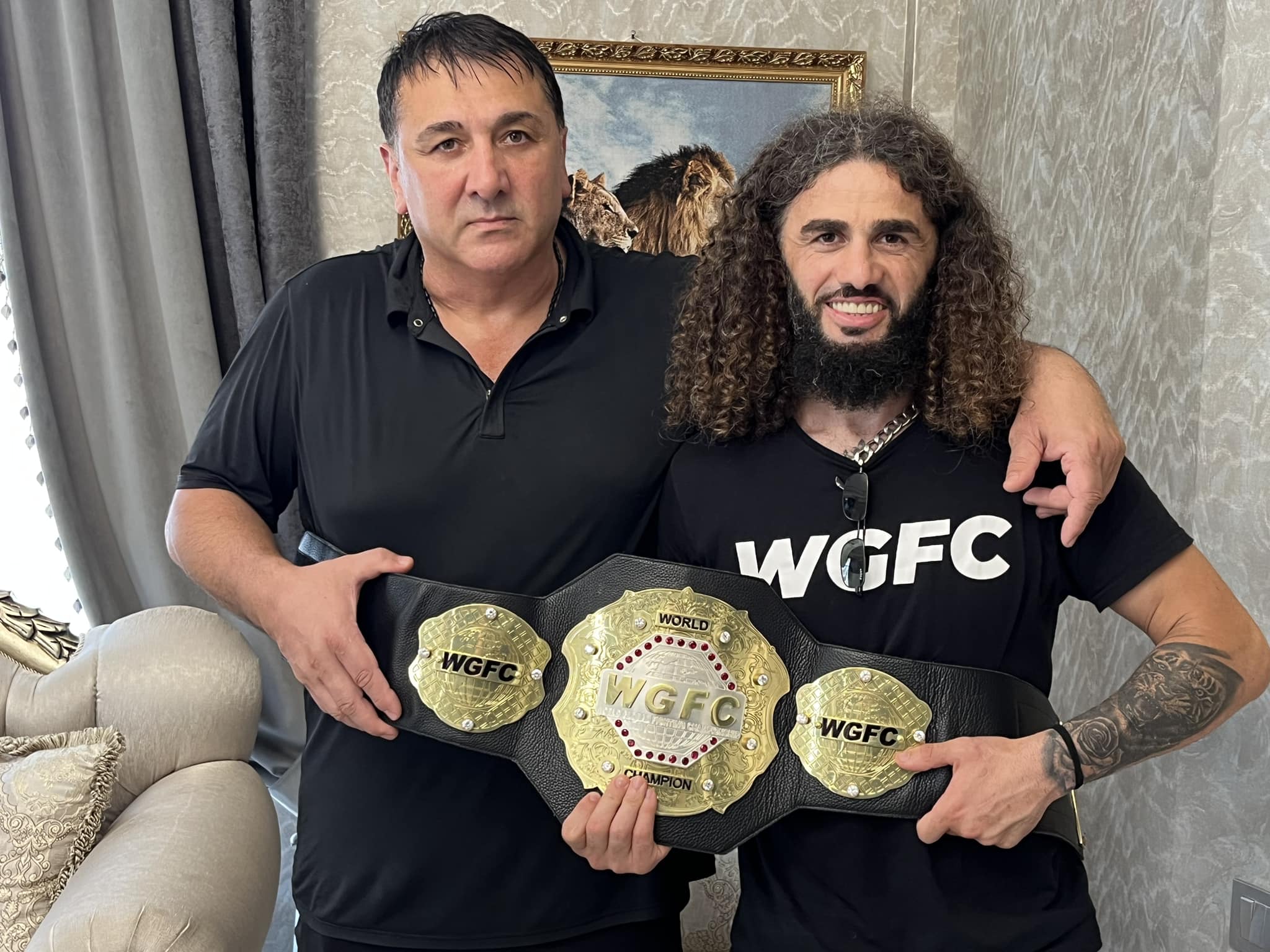
A decorated MMA athlete, he holds two world titles and remains active in the sport, even as he recovers from injuries sustained during the conflict.
“I was a world champion and I am still a world champion in MMA,” he said. “I have two titles to my name, but I decided to protect the people of Ukraine because, for me, this is more important than awards.”
Although no longer on the frontline due to injury, Vanadze continues to play a visible role in Ukraine’s sporting and civic life.
He is now among the main organisers of MMA tournaments in the country, an effort he says provides both normalcy and hope amid war.
“I am now one of the main organisers of MMA tournaments in Ukraine,” he said. “I am happy when I see people and children, and I try to help improve their skills.”
The response to his decision to fight has been mixed, he acknowledged. While some peers have chosen to remain on the sidelines, others from diverse backgrounds have stepped forward.
“There are still many people who do not understand what is happening and cannot leave their comfort or businesses to become volunteers,” Vanadze said.
“However, there are many Ukrainians who appreciate what I did. There are also many former sportsmen and businessmen who are now volunteers and are making history.”
Vanadze warned that the stakes of the war go beyond Ukraine’s borders, arguing that failure to resist Russia would erase the country’s identity.
“We should understand that if we do not protect Ukraine, there will be Russian flags and language here, and it will mean the end of Ukraine’s existence,” he said.
“We are afraid of a third world war, and we should leave our comfort, interests, businesses, and careers to protect our freedom, country, and people.”
Away from the battlefield, Vanadze balances military symbolism with civic engagement.
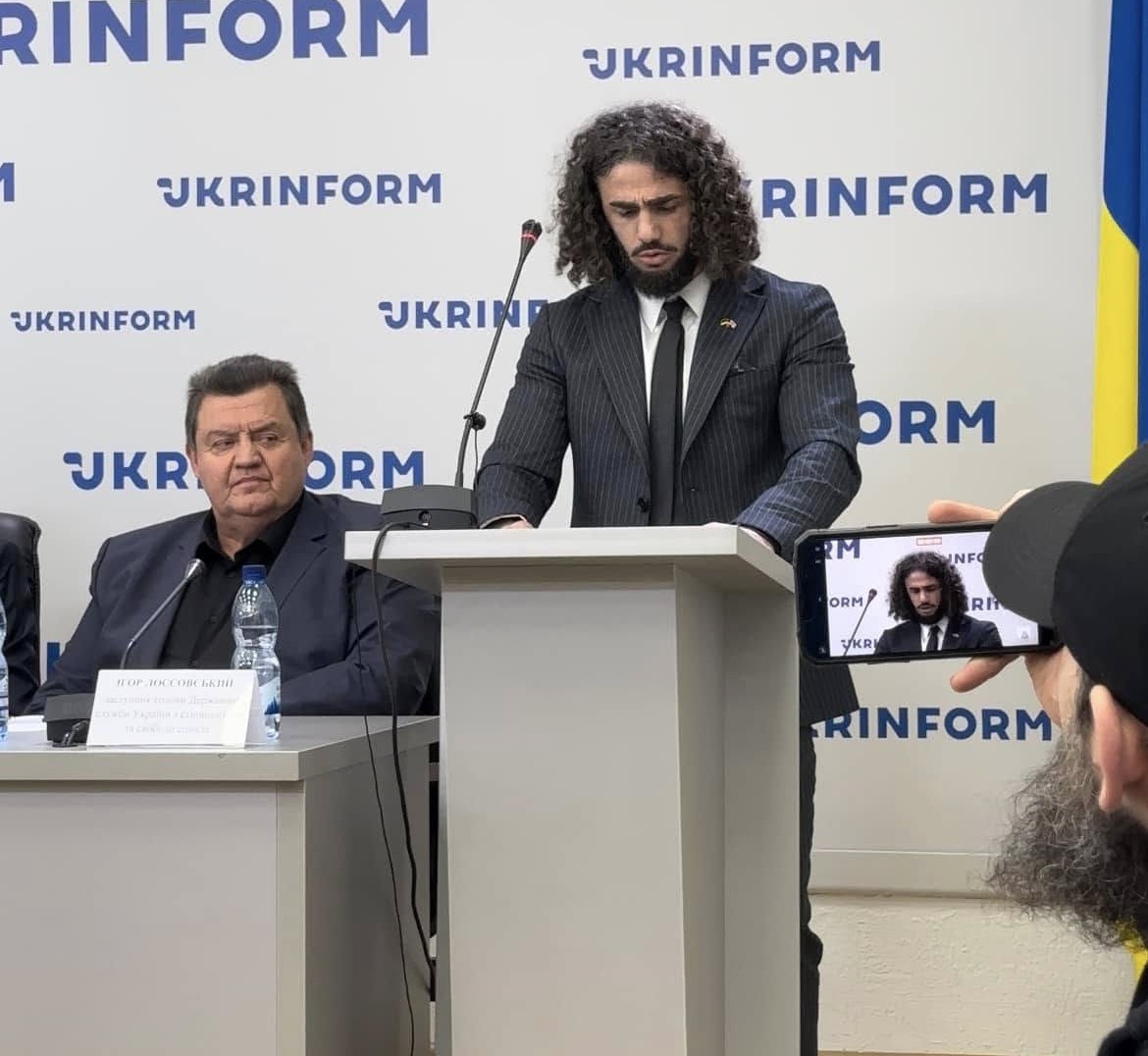
He is the President of the International Assembly of the Georgian People, a global organisation focused on supporting Georgian communities abroad.
“There are moments when I have to wear a suit,” he said, “but when I give lectures or lessons to children, I wear a military uniform to show our symbols and emblems and to talk about the challenges we face. It is important for children to know this.”
Loss, he said, has reshaped his outlook on life. “For me, it does not matter what I wear,” Vanadze said.
“I lost my emotions after losing people close to me. I no longer celebrate my birthday—it is just another day. All I do now is work and defend Ukraine.”
The International Assembly of the Georgian People, which he leads, is not a political movement, Vanadze insisted, despite frequent misconceptions.
“We are one of the largest Georgian organisations in the world,” he said. “Our goal is to unite Georgian people and help them with challenges they face abroad, such as documentation and legal issues.”
He was critical of the political situation in Georgia, accusing its leadership of aligning with Moscow.
“Some people describe us as a political party, but that is not true. We are not in politics,” he said.
“In Georgia, there is no democracy or freedom because the administration is pro-Russian. Many students have left the country, which is a major problem.”
Vanadze’s days follow a strict routine shaped by war and recovery. “My day starts at 6 a.m.,” he said. “I attend rehabilitation, then go to my office at 10 a.m. We have many meetings and activities with a large team.”
He described the conflict as a “hybrid war,” fought not only with weapons but also through disinformation.
“There is a frontline, but there is also an information war filled with propaganda,” he said. “I am not currently on the frontline; I work on internal logistics.”
Vanadze also used his platform to appeal directly to European leaders. “I want to call on the European Parliament to impose sanctions on the illegitimate pro-Russian government of Georgia, release all political prisoners, and free former president Mikheil ‘Misha’ Saakashvili,” he said. “Glory to Georgia. Glory to Ukraine.”
Despite his injuries, Vanadze remains determined to return to professional sport. “I will return because sport is my life,” he said. “I enjoy training and fighting, but I was injured on the frontline and hope my leg will fully recover.”
Asked about fear, Vanadze said survival itself has redefined success.
“Any day in Ukraine is a success because every night missiles and drones attack us,” he said. “My biggest fear was losing my best friend, who shared my dream of a free Ukraine.”
He argued that Ukraine continues to face the war with insufficient international backing.
“Ukraine is not receiving enough support,” Vanadze said. “This is not just Ukraine’s war—it is a war for all of Europe, a war for freedom and land.”
In a final message, Vanadze urged the global community not to look away.
“If you want to live freely, do not ignore this situation,” he said. “Even small support can save lives. Russia would not dare attack if we had enough military equipment.”