
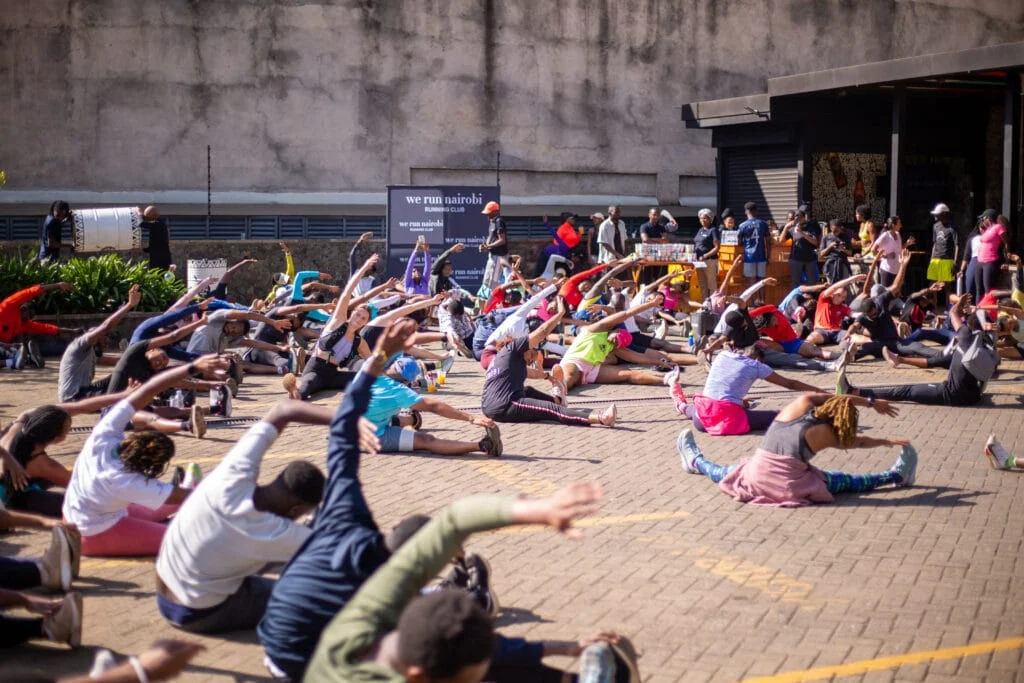
On a weekday morning in Nairobi, the city wakes up in running shoes as joggers circle estates before sunrise, gyms open early, yoga mats roll out on rooftops and cycling groups gather along major highways.
Fitness has moved from the margins to the mainstream.
Across the capital, wellness is no longer a niche lifestyle since it is becoming part of daily urban life.
Nairobi’s fitness culture is growing fast, shaped by young professionals, social media, changing health concerns and new business models.
This shift reflects a wider wellness revolution in Kenya and people are paying more attention to how they eat, move and rest.
They are looking for balance in a city known for pressure and speed.
Fitness is now visible everywhere; from public parks to high end studios, affordable community workouts to premium wellness clubs and Nairobi is redefining what it means to be healthy in a modern African city.
The rise did not happen overnight since for years, physical activity in Nairobi was linked mainly to sports, weight loss or medical advice.
Gyms were few, outdoor fitness was limited and many people viewed exercise as optional.
That perception has changed since health risks linked to sedentary lifestyles have become harder to ignore.
Non-communicable diseases are rising, doctors have warned about lifestyle related illnesses and public health messaging has grown louder.
Kenya’s Ministry of Health has repeatedly emphasised prevention and the phrase “Afya ni mali” has become a common reminder that health is wealth.
It resonates strongly in urban areas where long hours and screen time dominate daily routines.
Nairobi’s young population is also driving change since millennials and Gen Z residents are embracing fitness as part of identity and self care.
Exercise is now social, shared online, documented in photos and videos and discussed openly.
Social media has played a major role with Instagram, TikTok and YouTube turning workouts into content.
Recently, over 500 Nairobi residents took to the scenic Windsor Golf Club this past weekend for a free lifestyle run, highlighting a growing trend in the city’s running culture.
The event, co-hosted by local run club We Run Nairobi (WRN) and Swiss sportswear brand On, brought together runners of all ages for a morning focused on community, wellness, and enjoyment.
We Run Nairobi has emerged as a pioneer in this movement, promoting a style of running that prioritises mental well-being, consistency, and the joy of movement.
Runners explored We Run Nairobi’s signature routes of 6Km, 9Km and 15Km, but the emphasis was not on speed or personal bests.
Instead, participants were encouraged to go at their own pace and enjoy the experience.
“Today’s theme was soft. A canopy-covered forest, green all around, with the same community vibes. There is a time to go for it, and we have been doing that all year," We Run Nairobi's Founder Emily Chepkor began.
"We will go hard again, but today we could put our feet up. Today, we encouraged everyone to go gentle, reset and to remember there will be ice cream at the end."
Local trainers have also built strong followings since fitness challenges trend regularly.
Running clubs have become one of the most visible symbols of the movement.
Groups meet weekly in different parts of the city, run and train together then socialize afterwards.
Marathon culture has also grown and an example is the Standard Chartered Nairobi Marathon which remains a major annual event.
Smaller road races and charity runs now fill the calendar while participation numbers continue to rise each year.
Cycling has gained momentum as well with weekend rides attracting large groups.
Furthermore, gyms have multiplied across the city which is evident from Kilimani to Westlands, Eastlands to satellite towns.
Large chains operate alongside independent studios and the membership options are more flexible than before.
Boutique fitness studios are thriving with yoga, pilates, spin and strength training classes attracting loyal clients.
Many studios focus on community and experience rather than size and the sessions are often fully booked.
Outdoor fitness is also reclaiming public spaces since Karura Forest has become a wellness hub and so has Arboretum.
Groups practice yoga, boot camps and meditation in nature while noting that the fresh air is part of the appeal.
Corporate wellness is another driver since today’s employers are investing in staff health.
Some companies offer gym memberships while others organize fitness challenges and the wellness days are becoming more common in offices.
The pandemic accelerated many of these trends as the lockdowns forced people to rethink health priorities.
Home workouts surged, online fitness classes expanded and when restrictions eased, many people kept the habits.
Trainers adapted quickly as virtual sessions became normal, hybrid models emerged and some instructors now reach clients beyond Nairobi since technology has extended the fitness economy.
Wellness now includes mental health; Meditation, breathwork and mindfulness sessions are part of the fitness conversations and Nairobi residents speak more openly about stress and burnout.
Public figures have helped normalize this openness since government officials have spoken about lifestyle diseases.
Healthcare professionals also emphasize consistency and doctors often repeat that, “Prevention is better than cure.”
Fitness businesses are responding to demand with new gyms opening every month and equipment retailers report steady sales.
Local brands on the other hand design active wear suited to Kenyan climates and tastes.
Cost remains a challenge for some since not everyone can afford premium services.
Gender dynamics are shifting too since more women are visible in gyms and running groups.
The wellness revolution is also creating jobs since trainers, nutritionists, physiotherapists and content creators are building careers.
The industry supports livelihoods beyond traditional sports.
"Families, youth, and seasoned runners mingled during the free lifestyle run showing that the city’s wellness scene is becoming more diverse and welcoming. Participants appreciated the emphasis on fun and connection, rather than competition," Chepkor from We Run Nairobi said.
By promoting gentler movement and social engagement, run clubs like We Run Nairobi are making fitness more accessible to a wider audience.
"The Windsor run is part of a broader trend in Nairobi where community focused activities are reshaping how residents engage with health and fitness. As more Nairobians seek balanced and enjoyable ways to stay active, events that combine exercise, social interaction, and mental wellness are gaining popularity," the run club founder said.
Fitness is no longer about aesthetics alone but about energy, longevity and managing stress in a demanding city.
Nairobi’s wellness movement reflects broader African urban trends where cities are growing fast, lifestyles are changing and health systems are under pressure since prevention is becoming essential.
What sets Nairobi apart is community because fitness here is collective and the people motivate each other, move together and even celebrate progress together.
As dawn breaks each day, the sight of runners on city roads tells a clear story, Nairobi is moving and in that movement, it is redefining health for a new generation.
The wellness revolution is still unfolding but one thing is clear, fitness is no longer a passing trend because it is becoming a way of life in Kenya’s capital.







