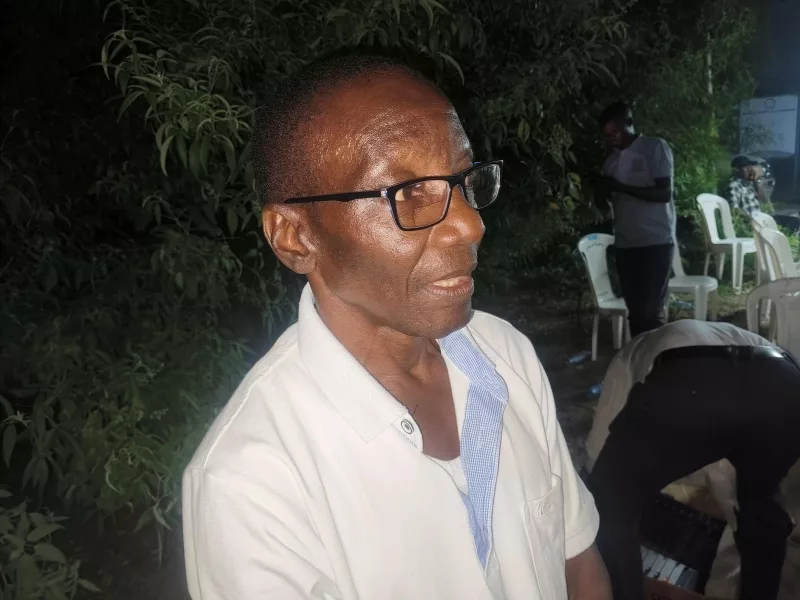
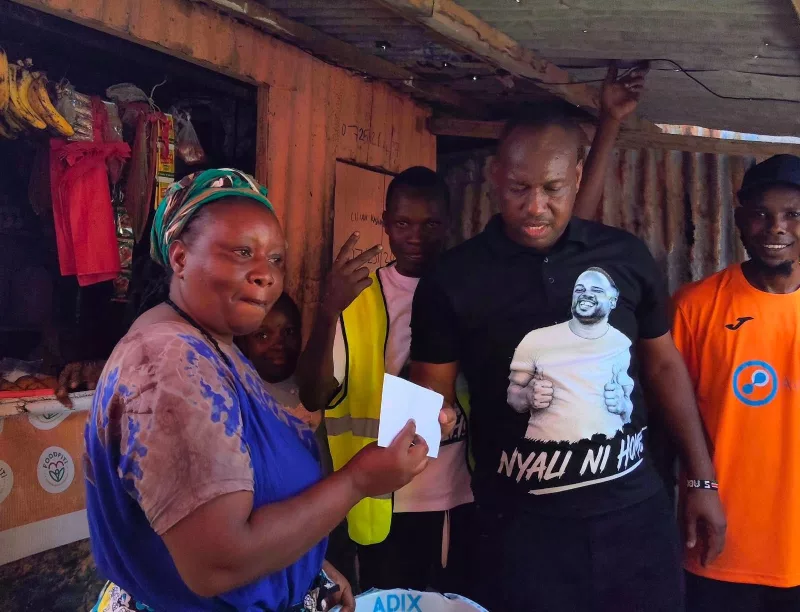
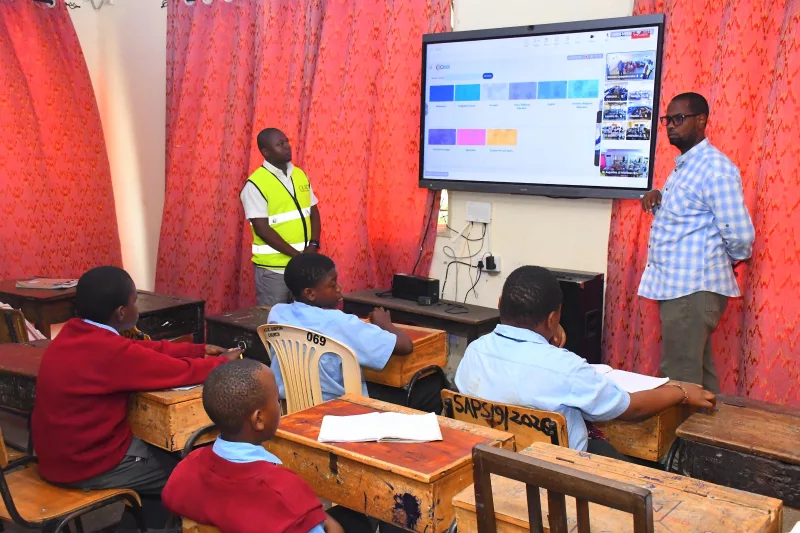
 Shee Kupi Shee—a son of Kiunga receives the Global Humanitarian Hero of the Year – AidEx (2025) in Switzerland./HANDOUT
Kiunga, a remote border town in Lamu County along the Kenya–Somalia frontier, By any measure, is an unlikely place to set global standards on refugee–host integration.
Nestled along Kenya’s northern coastline at the Kenya–Somalia border, the town has for decades faced insecurity, displacement, climate shocks, and marginalisation. Yet today, Kiunga stands as a nationally and internationally recognised model of peaceful coexistence, resilience, and community-led humanitarian action.
At the heart of this journey is Shee Kupi Shee—a son of Kiunga, a product of cross-border intermarriage(Kiunga Kenya-Raskamboni Somalia), and a public servant whose life mirrors the integration story of the community he serves.
A BORDERLAND IDENTITY THAT SHAPED A MISSION
Born and raised in Kiunga and educated locally at primary level, Shee Kupi’s worldview was shaped early by diversity, mobility, and survival across borders. His family roots span Kenya and neighbouring Jubaland in Somalia, giving him a lived understanding that borders should connect communities rather than divide them.
Long before refugee policies or global frameworks reached Kiunga, local families were already integrating displaced populations into their homes. Refugees arrived not to camps, but to households.
With no donors and no humanitarian infrastructure, communities shared water, land, fishing grounds, and livelihoods. This organic integration would later become the foundation of Shee’s leadership philosophy: fairness, dignity, and shared humanity.
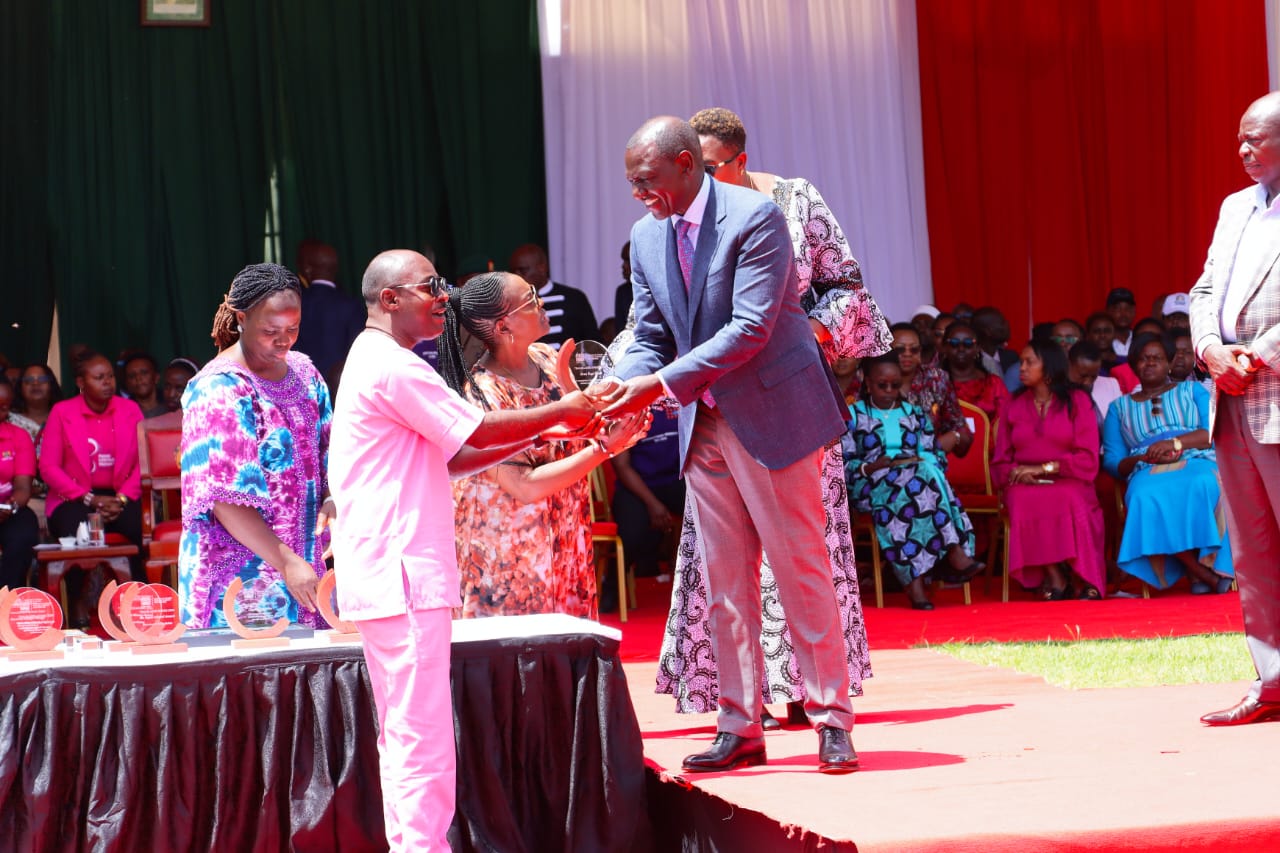 Shee Kupi Shee—a son of Kiunga receives the Trailblazer award on promoting women and girls peace and security along Boni forest from President William Ruto/HANDOUT
Shee’s humanitarian journey began in government service. Between 2012 and 2014, while serving as an Immigration Officer at the Lamu Border Control Office, he encountered vulnerable populations moving across the border daily—women, children, fishermen, and families fleeing conflict and drought. Rather than treating mobility purely as a security concern, he pioneered humanitarian approaches to border management along the Kiunga–Raskamboni corridor.
From 2015 to 2018, Seconded to Lamu County as Sub-County Administrator for Kiunga, Shee faced the difficult task of managing scarce resources in a fragile environment. His response was equity. County relief food was distributed equally between host and refugee communities. Water rationing schedules were shared fairly, Subsidised maize seeds were provided to both groups, and refugees were allowed to farm on Kenyan land and Fishing grounds remained open to all.
These decisions were bold and, at times, controversial,but they worked. Tensions reduced, trust increased, and Kiunga adopted a sustainable 50/50 resource-sharing model that remains in place today.
DISASTER MANAGEMENT, PEACEBUILDING AND TRUST-BUILDING
Promoted to the Directorate of Disaster Management and Peacebuilding, Shee expanded his work across humanitarian response and long-term resilience. Under his leadership, Kiunga and surrounding areas benefited from timely responses to droughts, floods, fires, maritime disasters, and displacement emergencies.
Crucially, trust between communities and security agencies was rebuilt. Water trucking supported both civilians and security personnel deployed in the Boni Forest. Peace dialogues strengthened cross-border relations. Humanitarian response became inclusive rather than divisive.
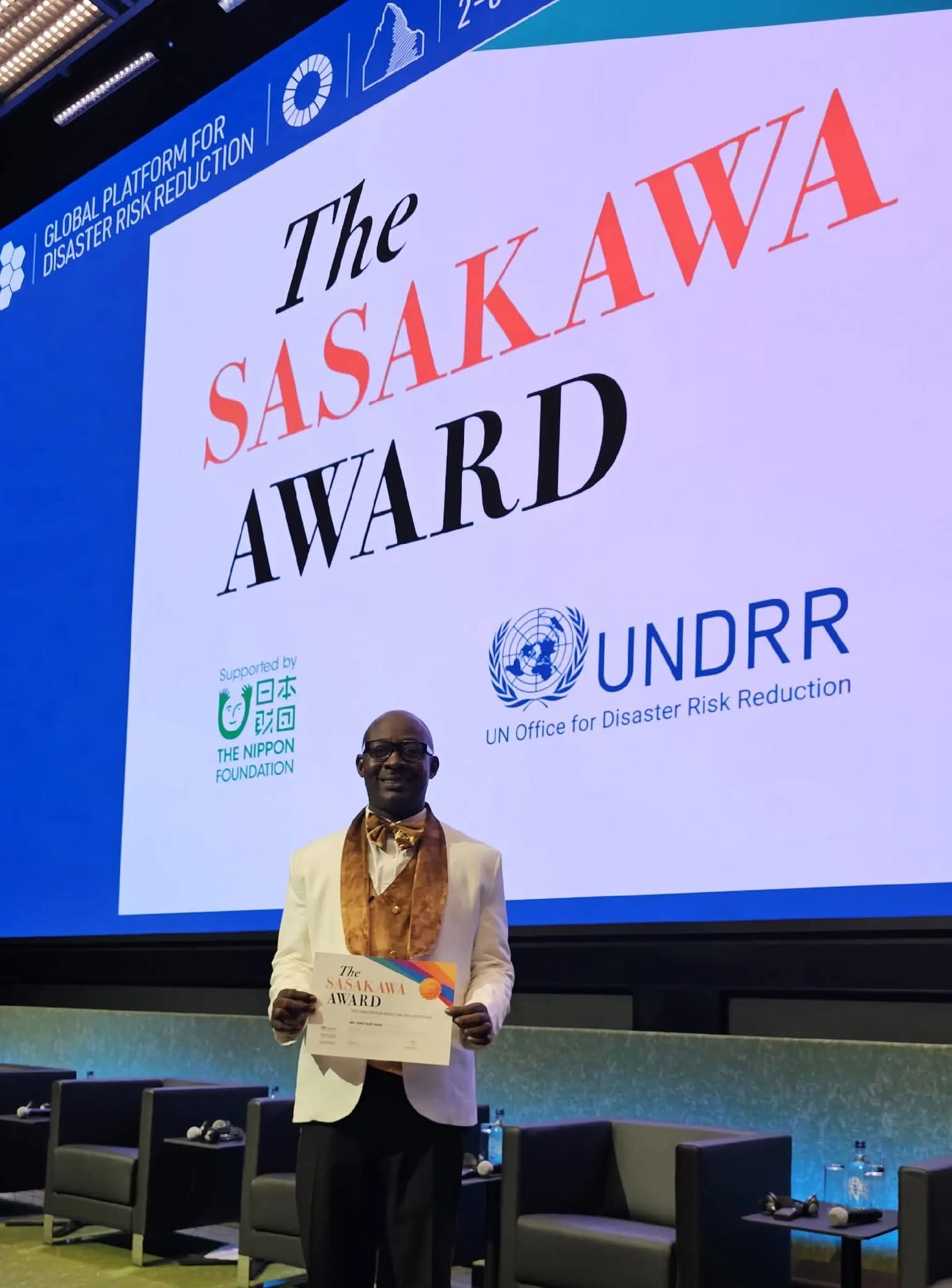 Shee Kupi Shee—a son of Kiunga with the UN Sasakawa Award for Disaster Risk Reduction – Geneva (2025)/HANDOUT
A defining chapter in Shee’s journey was his academic coaching at the Otto and Fran Walter Peace Centre at Bahçeşehir University in Istanbul, Turkey, under the Rotary Peace Fellowship. The programme transformed lived experience into structured peace practice, equipping him with tools to translate community wisdom into policy-relevant models.
His Social Change Initiative, completed under the programme, focused on refugee–host integration in borderland contexts, drawing directly from Kiunga’s lived reality.
GLOBAL AND NATIONAL HONOURS
In recognition of his work, Shee Kupi has received over ten prestigious national and international awards, including: National Hero, Devolution warrior award, Humanitarian champion, community empowerment award, Trailblazer awardee, Averted disaster award-Japan, Global maritime award (IMRF), UN Sasakawa award-Geneva, Aidex Humanitrian hero of the year 2025, Rotary peace fellowship-Middle east& North Africa), OGW, Among others-(attached herein)
These honours reflect not individual success, but collective achievement by the people of Kiunga, the Boni community, refugees, and cross-border communities in Raskamboni, Somalia.
COMMUNITY IMPACT AND LEGACY
Under Shee’s leadership, Kiunga has enjoyed sustained peace, fair access to resources, strong refugee–host integration without camps, strengthened trust between civilians and security agencies, improved disaster preparedness, and expanded youth and women participation in peacebuilding.
In 2025, Kiunga marked 30 years of successful integration through a historic homecoming celebration attended by over 500 people, government officials, security agencies, humanitarian partners, and cross-border communities. The celebration reaffirmed Kiunga’s readiness to serve as a benchmark ahead of Kenya’s Ushirika Plan.
A MODEL FOR KENYA AND BEYOND
Kiunga’s story challenges conventional approaches to displacement. It proves that community-led solutions,when rooted in dignity, fairness, and shared humanity, can outperform externally imposed systems.
From Kiunga to the world, Shee Kupi Shee’s journey demonstrates that leadership anchored in community values can shape national policy, inspire global practice, and transform even the most marginalised borderlands into beacons of peace.