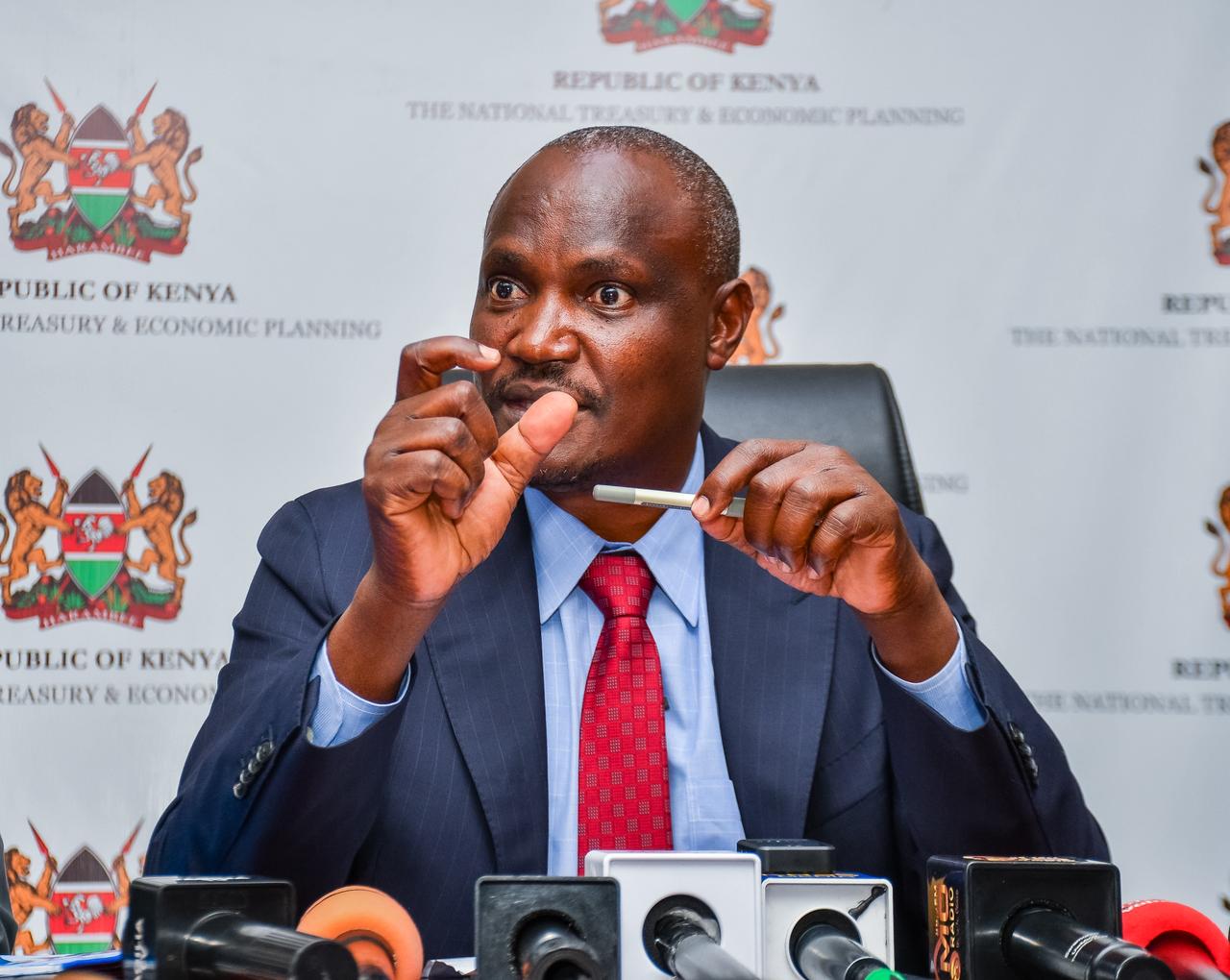
 Cabinet Secretary for the National Treasury, John Mbadi. /TREASURY
The National Treasury has invited members of the public and stakeholders to submit comments on the Draft 2026 Budget Policy Statement (BPS), which covers the medium-term expenditure for the 2026-27 to 2028-29 financial years.
The move is aimed at strengthening transparency and public participation in the government's budget-making process.
In a public notice, the Treasury stated that the BPS has been prepared in accordance with the provisions of the Public Finance Management Act, Cap 412A, which requires the Cabinet Secretary for the National Treasury to submit the policy document to Parliament for consideration and approval.
The document sets out the government’s strategic priorities, presents an assessment of the current state of the economy, and provides medium-term macroeconomic and fiscal projections.
It also outlines expenditure ceilings for the national government for the 2026-27 financial year, alongside fiscal responsibility principles and financial objectives to guide public finance management over the medium term.
The BPS is intended to enhance public understanding of Kenya’s public finances and to guide informed dialogue on economic and development issues ahead of the preparation of the national budget.
By publishing the draft and inviting views, the Treasury is seeking to incorporate diverse perspectives into fiscal planning at an early stage.
"The policy emphasises prudent management of public debt and strengthening of debt sustainability and advancement of initiatives under the Bottom-Up Economic Transformation Agenda," said Principal Secretary for the National Treasury Dr Chris Kiptoo.
These include investments in human capital development, agricultural transformation, energy and transport and logistics, which the government views as key drivers of inclusive growth.
Members of the public and stakeholders have been encouraged to review the Draft 2026 Budget Policy Statement, which is available on the National Treasury website at http://treasury.go.ke, and submit their views by January 9, 2026.
Submissions should be sent by email to [email protected].
The feedback will inform the finalisation of the BPS before it is submitted to Parliament.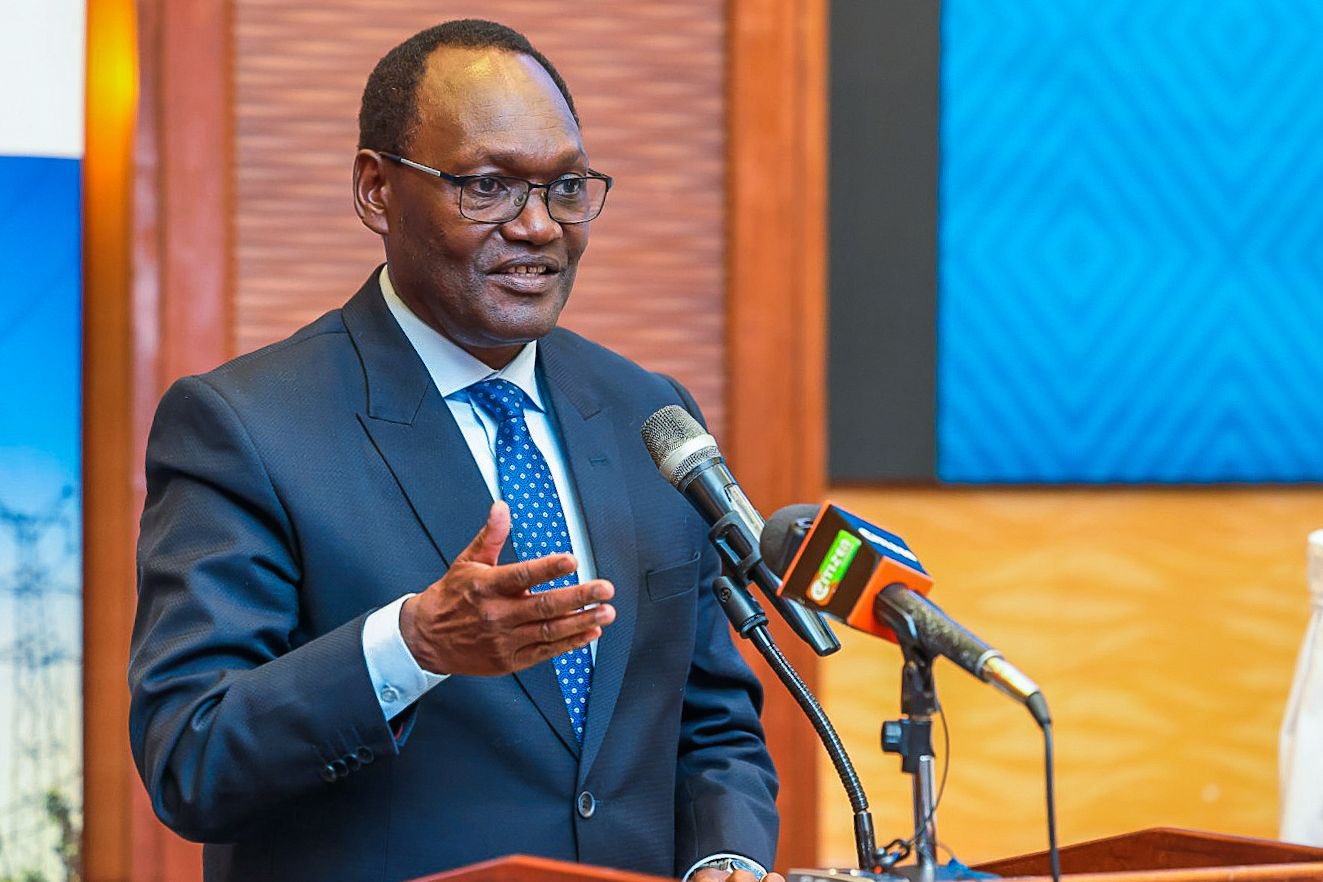 Principal Secretary for the National Treasury Dr Chris Kiptoo.
PS Kiptoo said the preparation of the Draft 2026 BPS was a collaborative effort that drew on wide-ranging inputs across government and beyond.
He noted that the process involved ministries, state departments and agencies, sector working groups, county governments, constitutional commissions and independent offices, as well as development partners, private sector actors and other non-state stakeholders.
Kiptoo said the policy document also captured inputs from the Macro Working Group, stakeholders and members of the public who participated in the public hearings held between November 19 and 21, 2025.
According to the Treasury, these consultations were aimed at aligning fiscal policy with prevailing economic conditions and national development priorities.
Commenting on the current budget cycle, Kiptoo said execution of the 2025-26 budget had progressed steadily, although it had faced a number of challenges.
These included slow adoption of e-procurement systems, revenue shortfalls and emerging expenditure pressures.
By the end of September 2025, he said, total revenue, including Appropriation-in-Aid, stood at Sh709.6 billion against a target of Sh793.2 billion, with ordinary revenue accounting for Sh573.5 billion.
“To ensure smooth implementation of the 2025-26 budget and maintain fiscal consolidation, the National Treasury will present Supplementary Estimates I, which will adjust for revenue underperformance and additional expenditure requirements,” Kiptoo said.
Looking ahead, the Treasury said the government’s fiscal policy for 2026-27 and the medium term remains anchored on a growth-supportive consolidation strategy.
Kiptoo said the approach prioritises enhanced revenue mobilisation, expenditure optimisation and the protection of essential programmes and social interventions, even as the government works to contain fiscal risks.