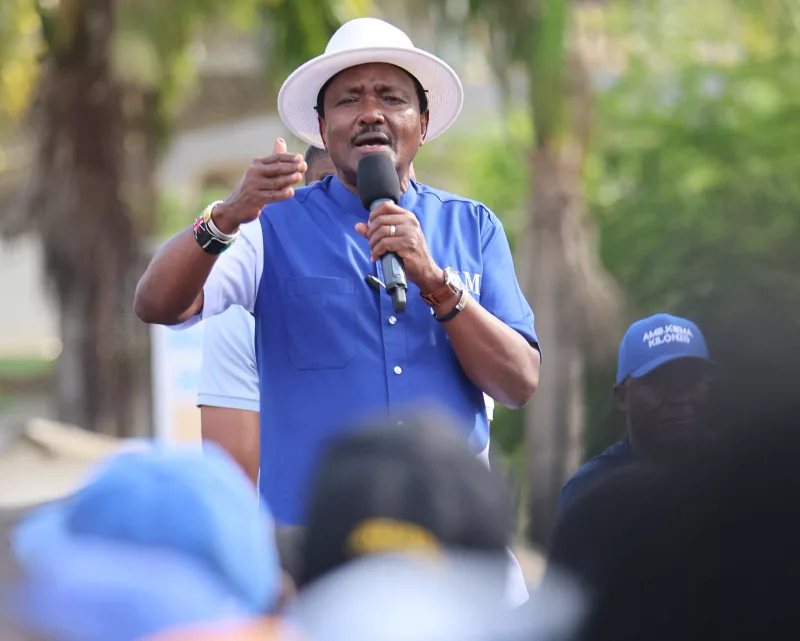
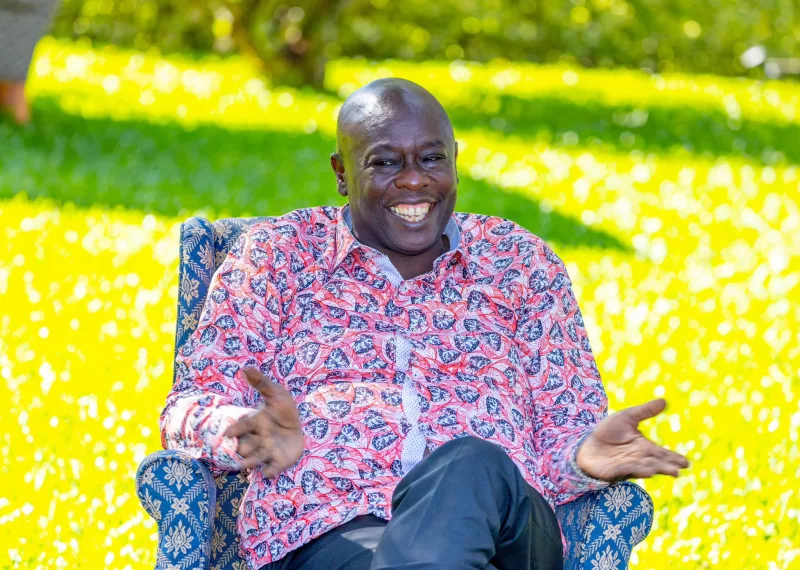
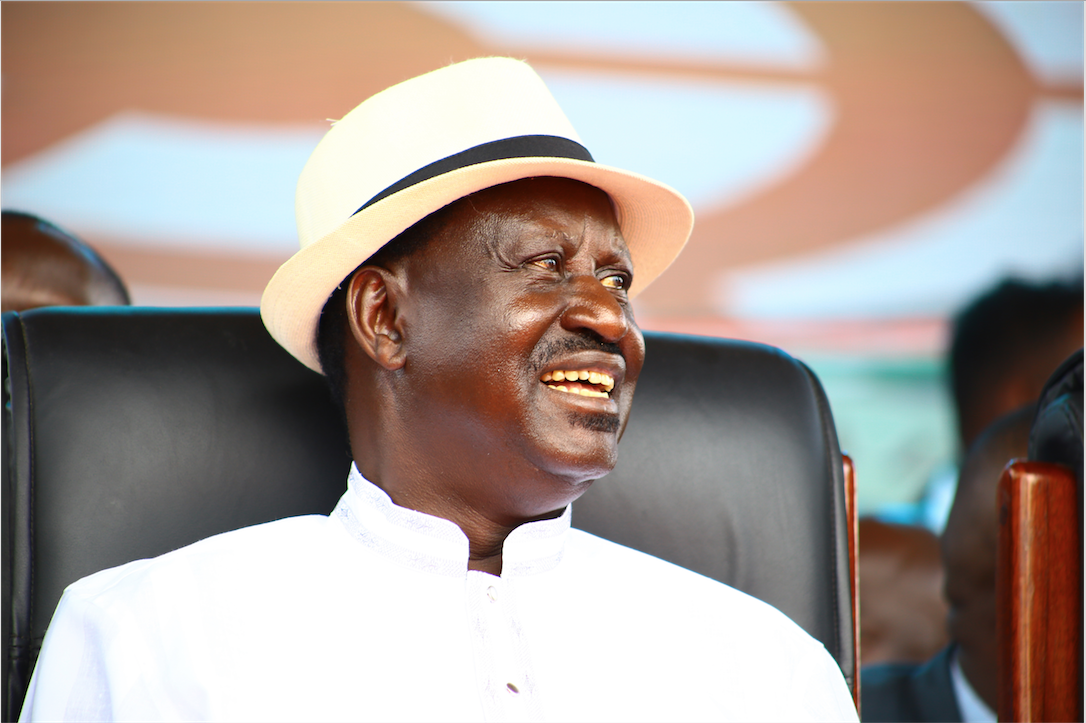
 Raila Odinga's life serves as a reminder of the enduring quest for democracy, justice and equality /FILE
The Star has the honour of posthumously naming Raila Amolo Odinga as the Star Person of the Year for 2025.
This recognition serves as a tribute to a figure who was not only one of the most consequential politicians in Kenyan history but also a beacon of hope and activism, whose impact resonates strongly even in death.
Born on January 7, 1945, in Western Kenya, Raila Odinga was the son of Jaramogi Oginga Odinga, a prominent anti-colonial leader and a key figure in Kenya's fight for independence. From a young age, Raila was steeped in a legacy of influence and resistance—qualities that defined his political career.
Though he repeatedly ran for the presidency, he never won, largely due to electoral manipulation, most notably during the contentious 2007 election against Mwai Kibaki. Yet, his contributions to the fabric of Kenyan democracy far exceed the title of president.
Raila became a voice for the marginalised, fiercely criticising the political and economic inequalities that plagued the nation. His unyielding support for the "have-nots" endeared him to millions, transcending ethnic lines and pooling a diverse support base. Despite being a prominent Luo leader whose community formed the backbone of his support, Raila showcased a remarkable ability to unite Kenyans across various backgrounds.
As a self-identified revolutionary, Odinga's commitment to institutional reform culminated in his most significant legacy: the 2010 constitution. This groundbreaking document aimed to devolve power away from the "imperial presidency", a cause he championed tirelessly throughout his political career. It sought to create a more equitable system, promoting local governance and the rights of citizens. Despite challenges in the implementation of these reforms, the constitution stands as testament to Raila's enduring impact.
However, history is rarely linear. While Raila articulated a vision centred on democracy and economic development, his path was fraught with contradictions. He often condemned elite power-sharing pacts but engaged in them himself, balancing the need for national stability with his principles. These contradictions fuel debates about his legacy, but they also highlight the complexity of Kenyan politics.
Raila's early years were marked by a mix of scholarly pursuits and political activism. After studying in East Germany, he became a lecturer but was soon embroiled in politics, linked to a failed coup attempt against President Daniel arap Moi in 1982. The fallout resulted in his detention and exile, as he became a symbol of resistance against authoritarianism.
His 1992 return marked a pivotal moment in Kenyan history, coinciding with the first multi-party elections in decades. Although he faced defeats, his influence grew, culminating in a key role during the tumultuous 2007 general election. After widespread violence and ethnic clashes in the aftermath of the disputed election results, Raila's leadership in the power-sharing agreement that followed showcased his ability to pivot for the greater good, although it often came at the cost of his own ambitions.
Yet, the passage of time led to further tribulations. After the constitution was passed in 2010, Raila struggled to maintain the momentum of his political narrative. His failures to secure the presidency in subsequent elections—2013, 2017 and 2022—occasioned more reflections on his legacy and future in Kenyan politics. Despite setbacks, Raila remained a powerful figure, even as his strategies evolved towards pragmatic coalitions.
His final years were marked by a pivotal "handshake" deal with President Uhuru Kenyatta in 2018, intended to mend political rifts but subsequently questioned by many as a compromise that diminished his opposition status. In his later interactions with the government, particularly under William Ruto's administration, Raila's role shifted toward nation-building, showcasing his adaptive political strategy even as critics accused him of sidelining grassroots sentiments.
Despite many controversies, Raila’s philanthropic endeavours painted a more nuanced portrait of the man behind the public figure. He was not only a politician but also a mentor and a father figure to many young leaders. Stories from his close allies reveal a man who provided consistent support and encouragement, using his resources to uplift others rather than focusing solely on personal gains.
His death at the age of 80 sparked a profound sense of mourning across the nation, underlining the deep connections he forged with the Kenyan people. Leaders, both local and international, paid tribute to his spirit of resistance and commitment to democracy. His absence leaves a significant void in Kenyan politics, as Raila was not just a leader but a symbol of hope for many who yearned for change and justice.
As we honour Raila Odinga as the Star Person of the Year 2025, we celebrate a complex legacy—one that embodies the struggles, triumphs and contradictions inherent in Kenya's political landscape. His life serves as a reminder of the enduring quest for democracy, justice and equality. As we look to the future, Raila's influence will undoubtedly loom large, guiding the next generation of leaders as they navigate Kenya’s ongoing journey toward a more inclusive and equitable society.