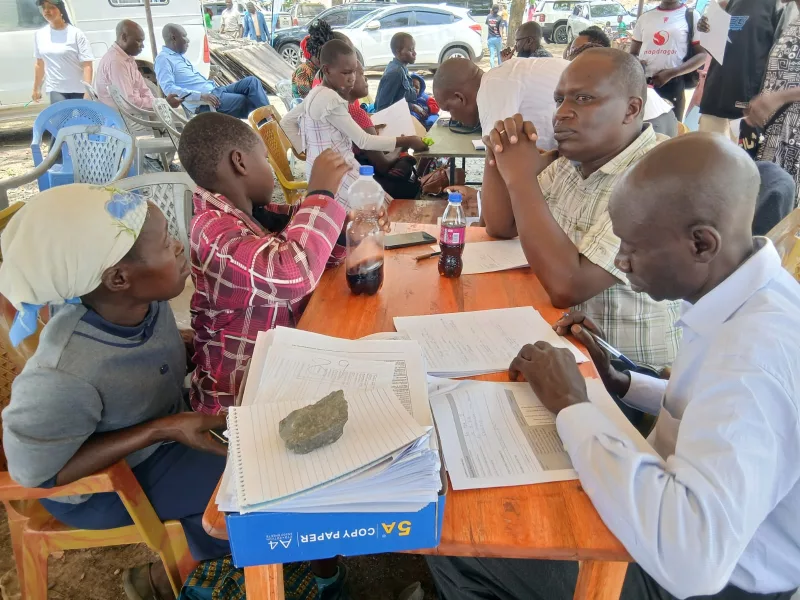
Parents of children living with sickle cell disease in Ndhiwa subounty, Homa Bay have breathed a sigh of relief following the launch of an initiative to improve diagnosis.
The initiative by Shikuri Project Charitable Trust also seeks to give solutions to long-term management of the disease.
Sickle cell disease is a genetic condition that has silently claimed thousands of young lives in the region.
Parents and caregivers have described the project as a lifeline for their children.
Jane Adhiambo, a mother of five children all living with sickle cell disease, describes the project as the only hope that has kept her family together.
“I don’t know where my children would be without this project. I am jobless, and all my five children have sickle cell. My family is what it is today because of the support I get here,” she said.
Shikuri Project established Ndhiwa’s first-ever paediatric sickle cell clinic at Ndhiwa Sub-County Hospital after discovering that no child in the area had previously been formally diagnosed or followed up for the disease.
Before the clinic was set up, the subcounty had no dedicated SCD services.
Ndhiwa has a population of more than 218,000 people. Health experts estimate that between two and 4.5 per cent of live births in the region are affected by SCD.
In Homa Bay county, SCD is among the leading causes of childhood deaths, often claiming lives quietly before children reach their fifth birthday.
Up to four per cent of newborns are born with SCD in high-burden regions such as the Lake Basin, Ministry of Health data shows.
This translates to an estimated 1,500 to 3,000 babies born with the condition in Homa Bay every year—many of whom die due to lack of access to treatment.
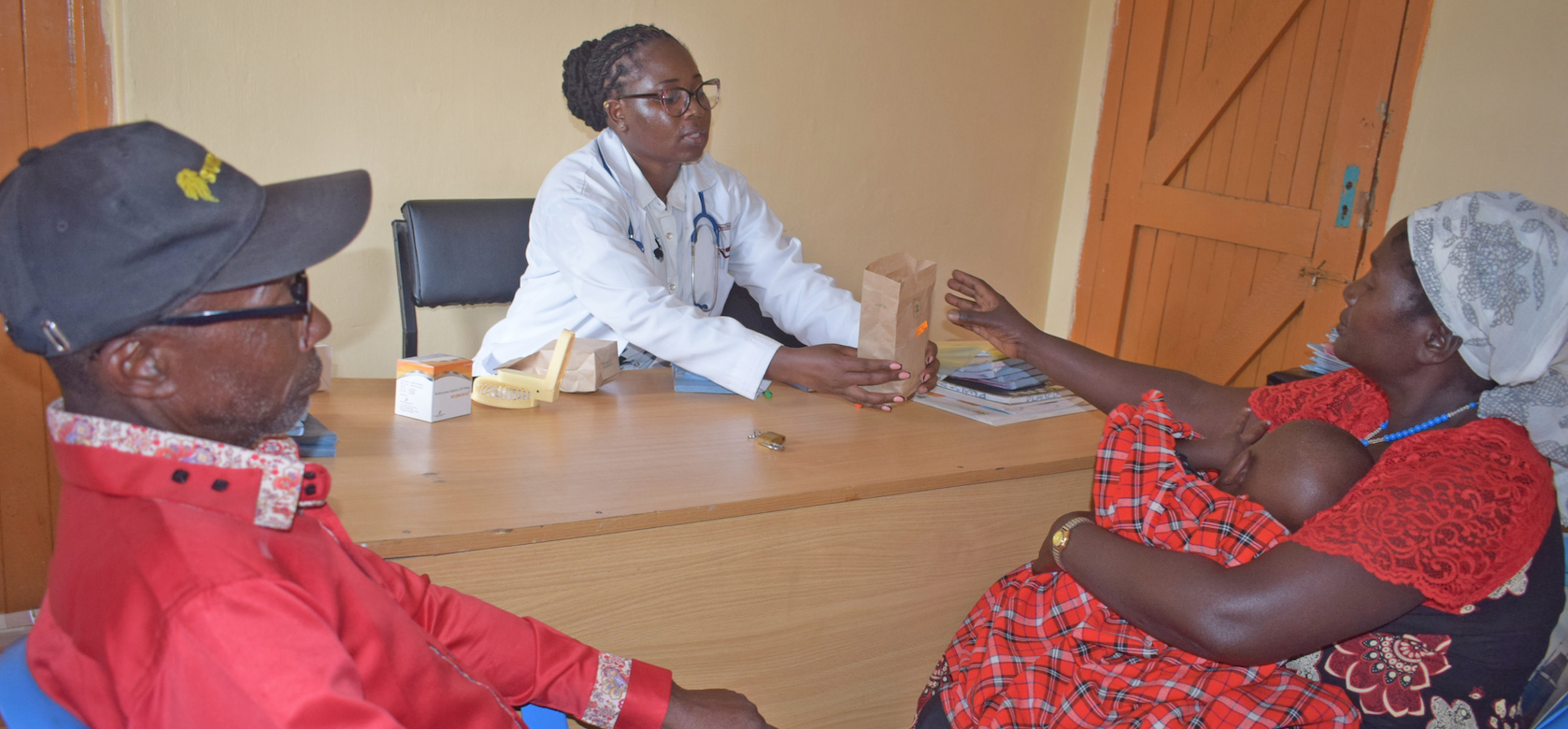
The Shikuri Project supports affected families by providing free medication, including hydroxyurea and penicillin, reimbursing transport costs for clinic visits and paying Social Health Authority (SHA) contributions for caregivers with severe cases.
In communities like Ndhiwa, an estimated 300 to 600 babies are born with SCD annually.
Without consistent medication and monitoring, up to 70 per cent die before their fifth birthday.
Jane Akinyi lost her first two children before learning the cause of their deaths.
“Sickle cell killed my first two children when I didn’t know what was wrong. This project helped diagnose my current child early. He is on medication and doing well,” she said.
Medication is dispensed through the Shikuri clinic at Ndhiwa Sub-County Hospital.
The project also sensitises caregivers on disease management and deploys community health promoters to follow up on treatment adherence at the village level.
The organisation has donated 100 point-of-care diagnostic kits, enabling the screening of about 300 people.
So far, 26 children have been enrolled into continuous care under the programme.
Silvan Aura, a parent, says the initiative has eased the financial burden on families.
“I now receive hydroxyurea and penicillin free of charge. Before, I often lacked money to buy the drugs. My child is doing well,” he said.
Project coordinator Letrica Wamalwa said sickle cell disease remains neglected despite causing high child mortality.
“Emergency care exists, but the county lacks infrastructure for continuous outpatient management, which is critical for preventing complications,” she said, adding that the project works closely with the county government to reduce infant deaths.
She appealed to partners and well-wishers to support expansion of the programme across Homa Bay county.
Founder of Shikuri Project Charitable Trust Gail Sealy said the organisation has established quarterly multidisciplinary outpatient SCD clinics at Ndhiwa Sub-County Hospital, staffed jointly by county health workers and Shikuri-supported clinicians.
The clinics offer WHO-recommended paediatric SCD care free of charge, including diagnostics, laboratory monitoring, hydroxyurea, penicillin prophylaxis, folic acid, malaria prevention, immunisation reviews, caregiver education and genetic counselling.
By decentralising care and ensuring a steady supply of essential medicines, the project has created Ndhiwa’s only functional outpatient paediatric sickle cell clinic—and one of the few in Homa Bay county.
In a region where untreated SCD leads to repeated family bereavements, the clinic is proving both essential and life-saving.