 Supreme Court Judge Smokin Wanjala. /FILE
Supreme Court Judge Smokin Wanjala has urged the Judiciary to deliberately embed inclusive justice as courts increasingly adopt digital technologies, warning that innovation must expand rather than restrict access to justice.
Justice Wanjala, who is the Kenya Judiciary Academy (KJA) director general, made the call in a speech read on his behalf by his deputy, Duncan Okello, during a training session for Judges of the Employment and Labour Relations Court (ELRC) on Digital and ICT Accessibility.
The training was held under the theme, “Embedding Inclusive Justice in the Digital Age.”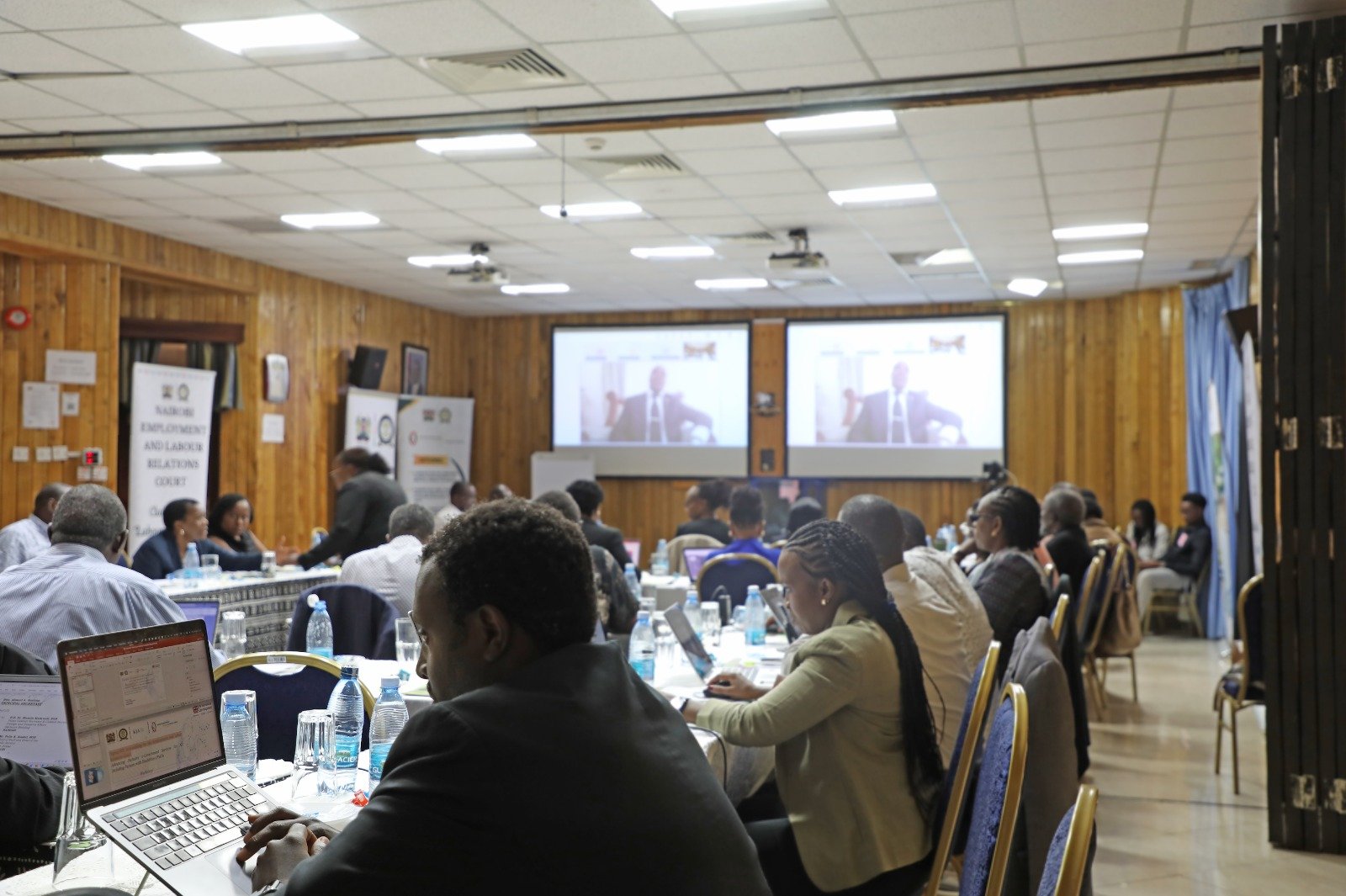 Training of Judges of the Employment and Labour Relations Court (ELRC) on Digital and ICT Accessibility. /JUDICIARY
Justice Wanjala observed that while technology holds immense potential to strengthen judicial efficiency and transparency, it also carries the risk of becoming a new barrier if accessibility is not prioritised.
According to the Judge, digital justice systems that overlook inclusion could lock out persons with disabilities, litigants with limited digital literacy, and economically vulnerable court users.
“As we embrace these innovations, we must remain vigilant to a fundamental question: who is able to access justice in this digital environment, and who is left behind?” he said.
“Digital transformation is not an end in itself; it is a means of advancing the constitutional promise of justice that is expeditious, efficient, lawful, reasonable, and procedurally fair.”
Justice Wanjala noted that digital technologies have already transformed judicial operations, reshaping how cases are filed, managed, heard and determined.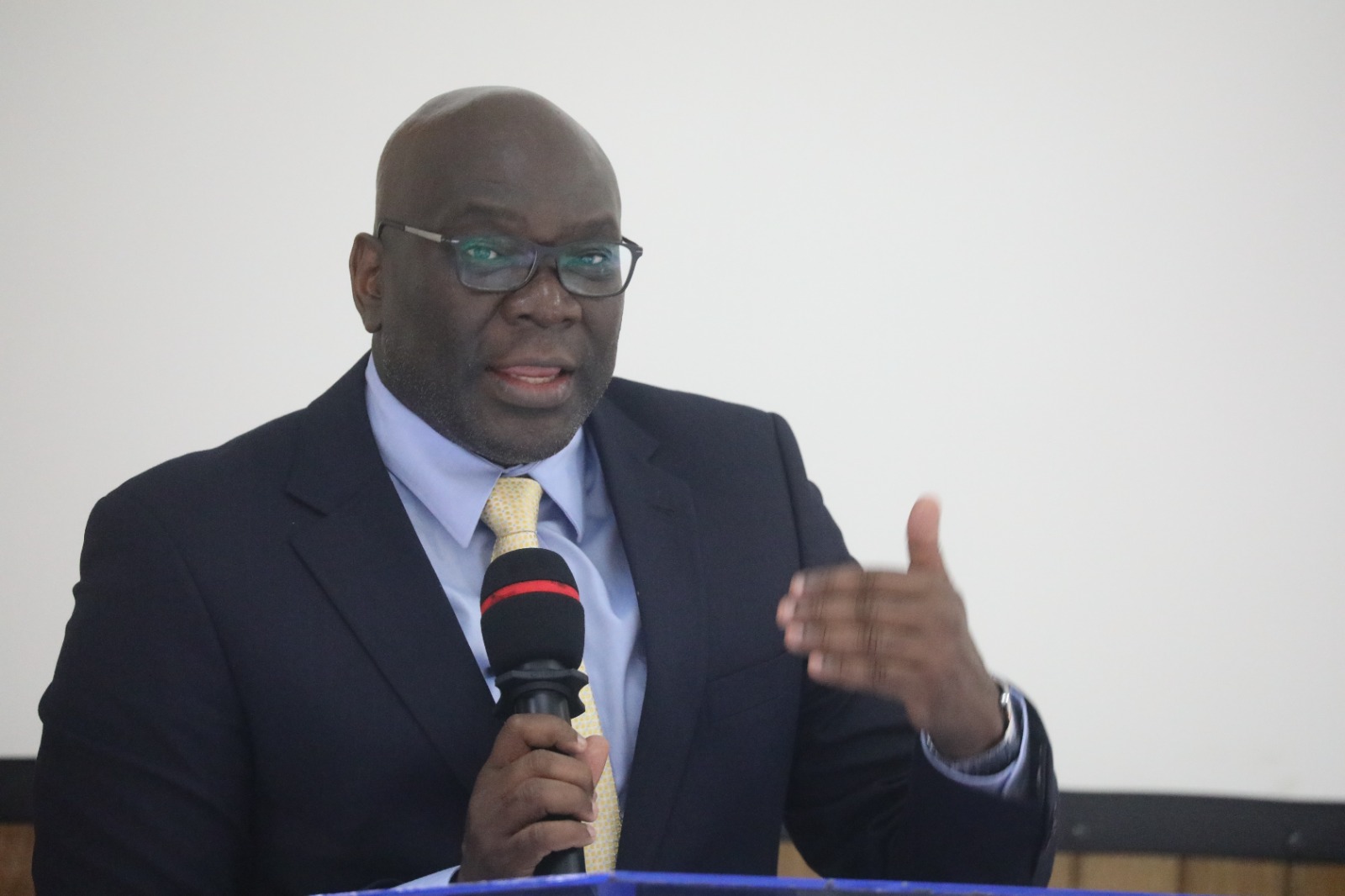 Kenya Judiciary Academy (KJA) deputy director general Duncan Okello during a training session for Judges of the ELRC on Digital and ICT Accessibility. /JUDICIARY
E-filing platforms, virtual court sessions, electronic records and online legal research tools have become central to modern judicial work, making technology an integral part of the justice system.
He further pointed out that the Employment and Labour Relations Court occupies a particularly sensitive position within Kenya’s judicial framework.
The court often handles disputes involving workers, trade unions, persons with disabilities and other marginalised groups whose livelihoods and dignity are directly affected by court outcomes.
For this reason, he said, digital court processes must be accessible, adaptable and designed with users in mind.
“This workshop is not merely technical in nature. It is an opportunity for judicial reflection and leadership,” Justice Wanjala said.
He added that judges play a critical role beyond adjudication by shaping jurisprudence, influencing court practices and nurturing an institutional culture that places human dignity, equality and inclusion at the centre of digital innovation.
During the opening ceremony, ELRC Presiding Judge Justice Byram Ongaya described the court as fundamentally a Court of Social Justice, mandated to advance social dialogue and fairness in labour relations.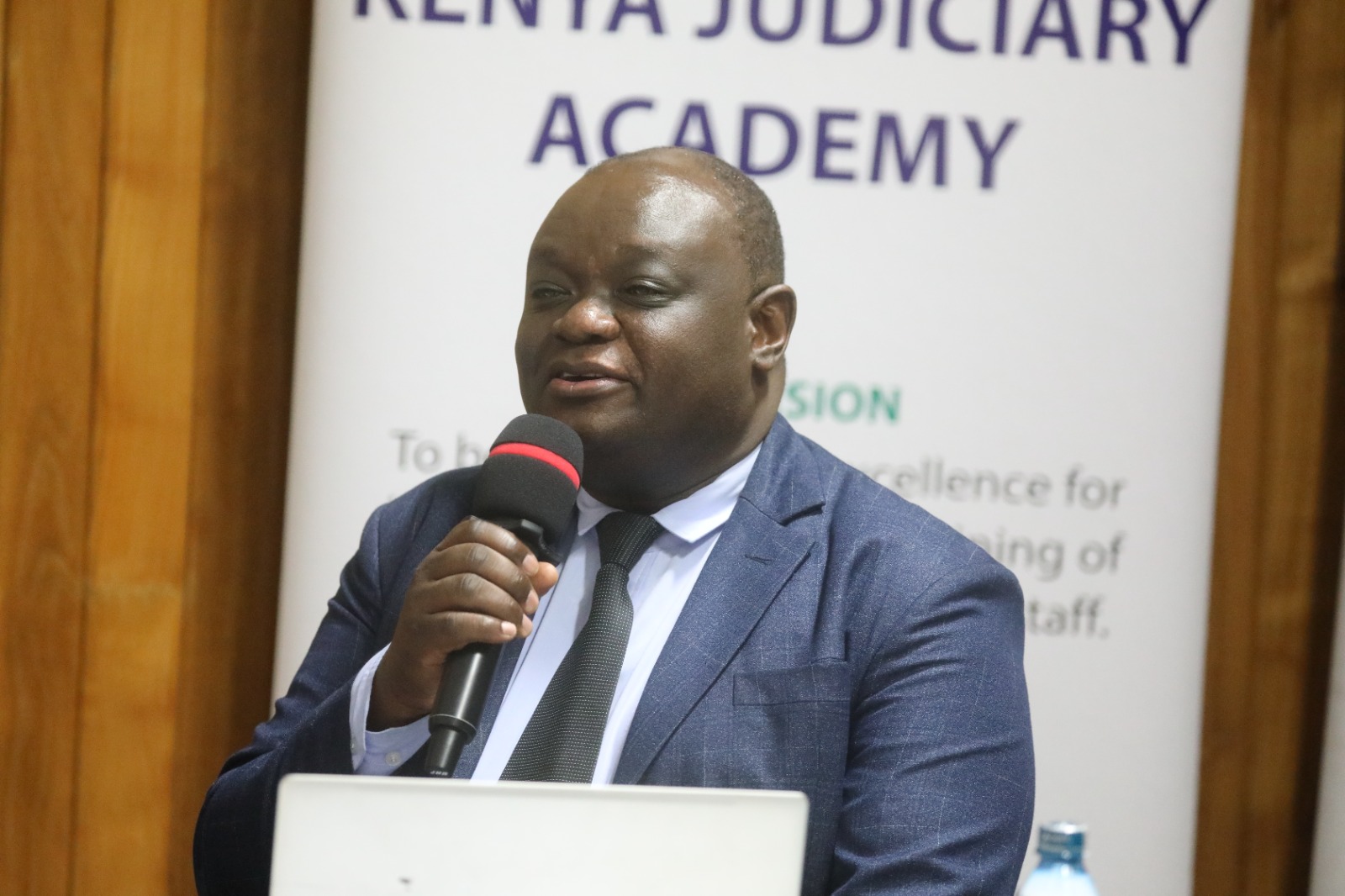 ELRC Presiding Judge Justice Byram Ongaya speaks during the training. /JUDICIARY
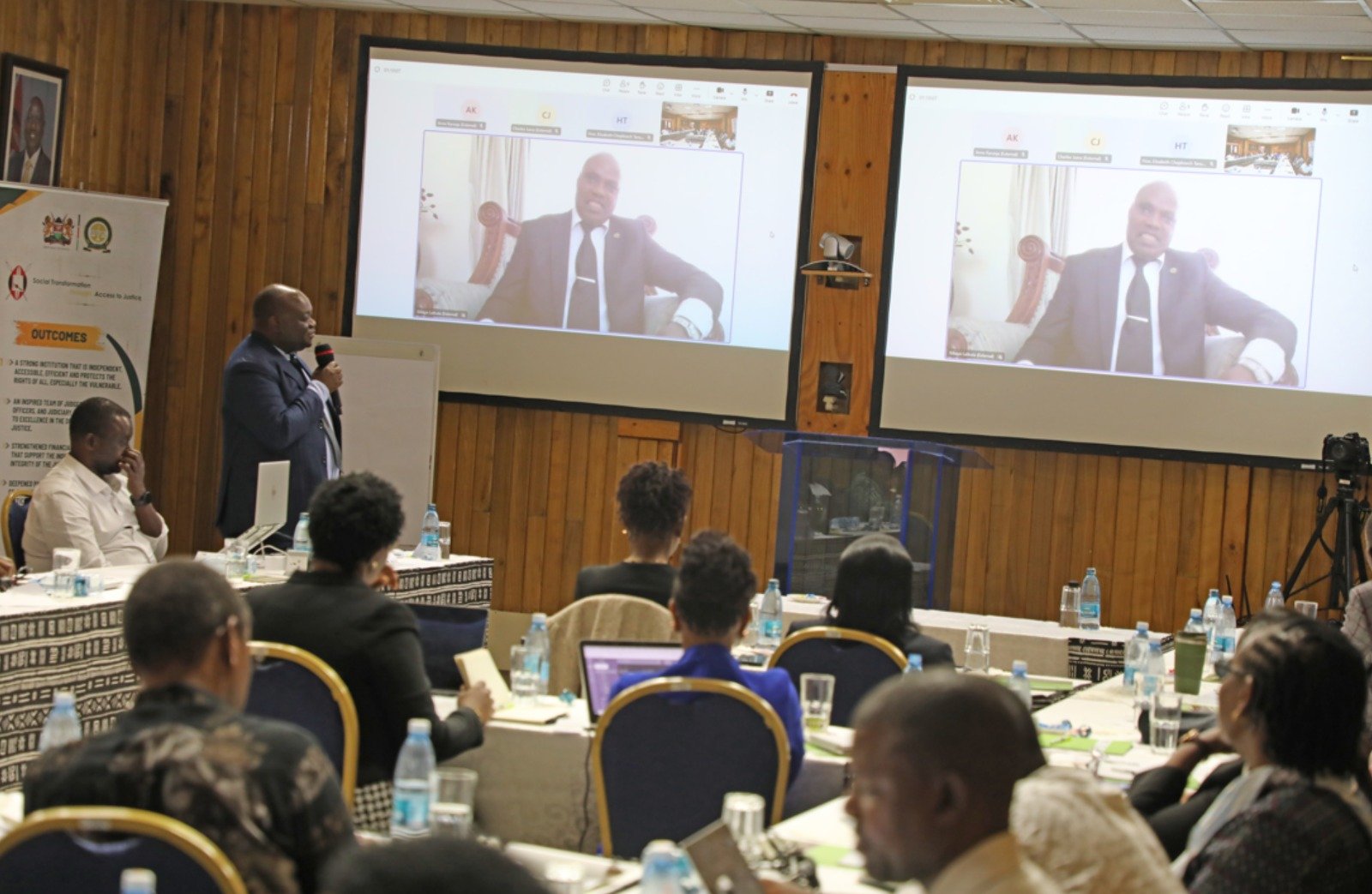 ELRC Presiding Judge Justice Byram Ongaya speaks during the training. /JUDICIARY
He underscored the importance of the training, noting that it introduces judges to artificial intelligence and available AI tools within the justice system.
“Judges can unconsciously do injustice if they are not well trained,” Justice Ongaya observed, expressing appreciation to the facilitators and optimism about the discussions.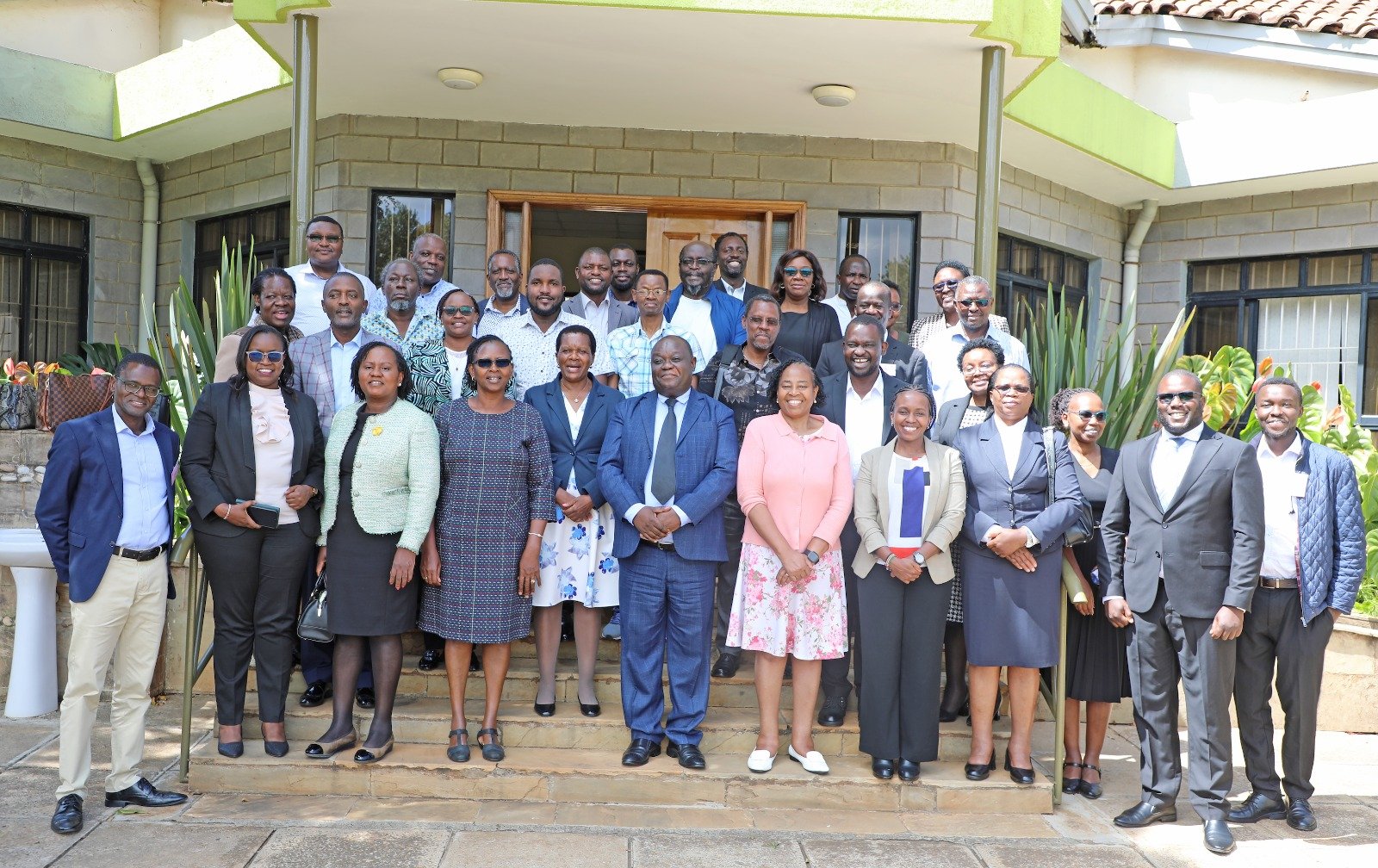 Participants at the end of a training session for Judges of the Employment and Labour Relations Court (ELRC) on Digital and ICT Accessibility. /JUDICIARY
The training was organised by the UK Digital Access Programme in partnership with the Judiciary.
It brought together justice sector stakeholders to address what organisers described as a persistent gap in providing universally accessible digital services to all Kenyans, including persons with disabilities and senior citizens, despite the country’s strong legal framework.