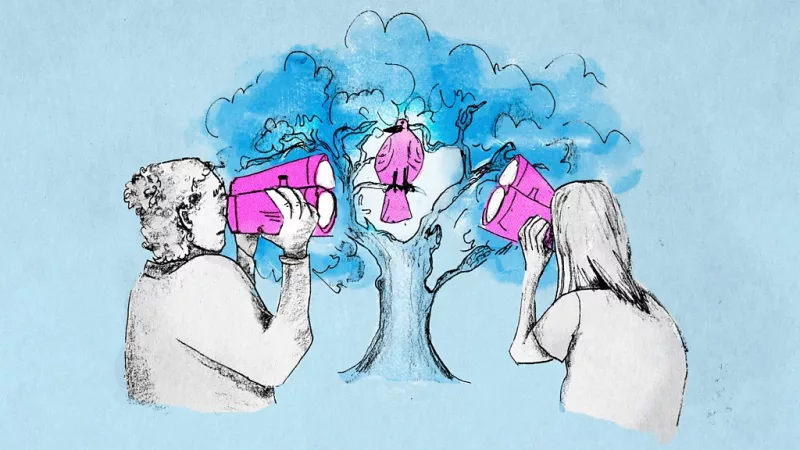
 Modern fatigue / AI-generated
Persistent exhaustion has become one of the defining features of modern life. Across professions, age groups, and societies, people increasingly describe a constant sense of tiredness that does not disappear with a single good night’s sleep.
This widespread fatigue is not the result of personal weakness or poor time management, but the cumulative effect of how modern life is structured around sleep disruption, extended work hours, constant connectivity, and chronic stress.
Sleep, the most basic form of recovery, is often the first casualty. Most adults need between seven and nine hours of quality sleep, yet late nights, irregular schedules, and prolonged screen use have made this increasingly difficult.
Artificial light from phones, computers, and televisions interferes with the body’s natural production of melatonin, delaying sleep and reducing its restorative quality.
Over time, this creates chronic sleep debt, leaving people mentally foggy, emotionally reactive, and physically drained even after rest.
Licensed psychologist and executive director of Healing Hearts Faith Goko has urged individuals and organisations to rethink how they approach rest, warning that simply taking time off work without addressing underlying stressors can deepen exhaustion and psychological burnout.
Speaking on Thursday, Goko said rest is highly individual and should be intentional rather than routine or passive.
She noted that many people equate rest with sleep or staying idle over weekends, yet fail to reflect on or deal with the pressures that caused their fatigue in the first place.
“Rest is very individualistic. How I take my rest is totally different from how other people take their rest. Not dealing with the issues that make us feel tired can make you feel tired even after taking rest. It has to be very intentional,” she said.
Goko also raised concerns about the impact of constant screen use and digital connectivity on the brain’s ability to recover.
While acknowledging that technology and social media are important tools, she said excessive and unintentional use, particularly scrolling through platforms, often replaces meaningful rest and reflection.
“Social media is a tool, but you have to be intentional. Sometimes you realise you’re just scrolling, but is it helping? Not really, in terms of resting,” she observed.
She added that digital overuse is eroding social interaction, even in physical social spaces. According to Goko, people are increasingly isolated despite being together, leading to unresolved emotional issues.
“People are no longer having conversations. Everyone is on their phone. You end up piling up your issues because you don’t have someone to talk to,” she said.
On burnout, Goko explained that it is rarely caused by a few days of hard work, but rather by prolonged and intense stress that is ignored over time.
She said burnout often manifests physically through psychosomatic symptoms such as joint pain, painful skin sensitivity, headaches, and persistent skin breakouts.
“Sometimes you realise you have a burnout when it’s too late because you ignored the first signs,” she said.
She noted that many professionals only seek medical help when symptoms become severe, only to be told they are suffering from fatigue.
From a psychological perspective, Goko described “true rest” as a process that combines physical downtime with emotional and mental processing.
She cited grounding and reflection sessions, spending time away from routine environments, or simply being still with intention as examples, stressing that there is no single formula that fits everyone.
“Rest is unique for every person, but while resting, can you also deal with the things that feel like they are pressing you or cornering you?” she said.
She also challenged stigma around mental health care, encouraging people to normalise visiting therapists even before they feel overwhelmed.
According to Goko, therapy should not be seen as a last resort or a sign of instability.
“Sometimes it’s just good to sit down, be heard, and be guided. We are not always right, and no man is an island,” she said.
Goko called for greater awareness around intentional rest and early mental health support, particularly in today’s fast-paced and digitally driven world, where everyday tiredness can easily mask deeper psychological strain.