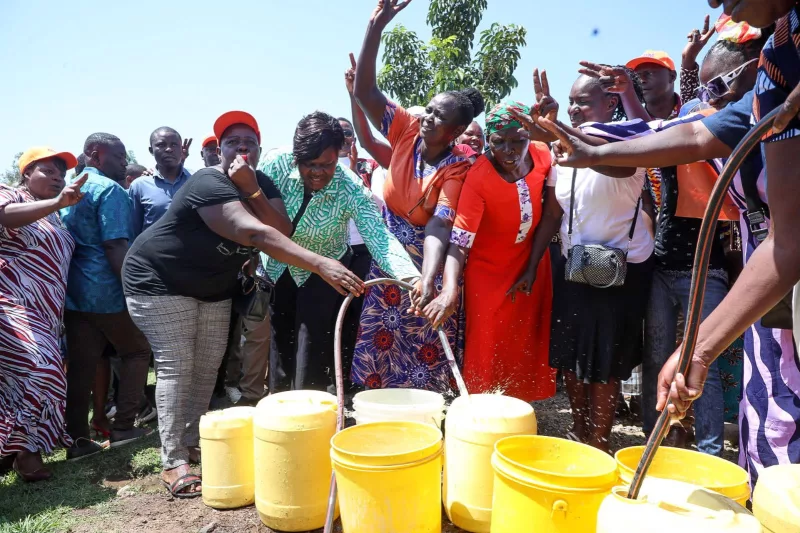
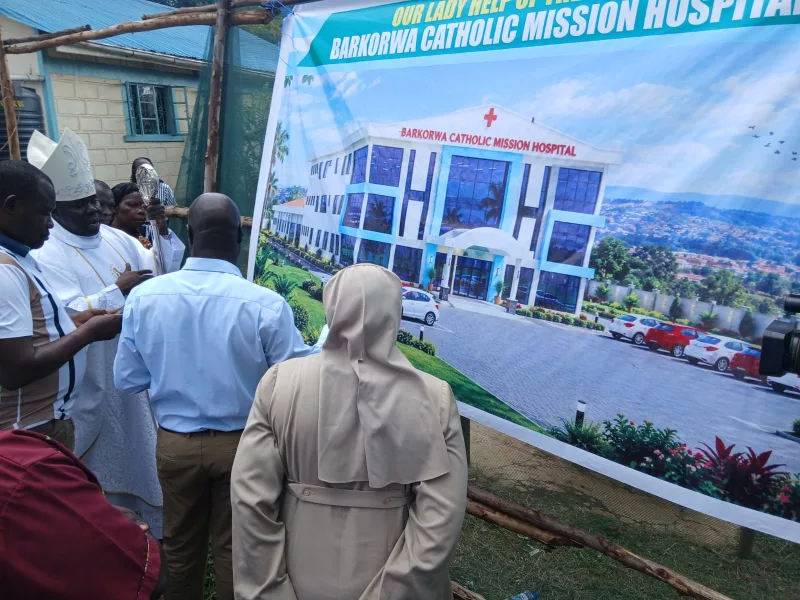
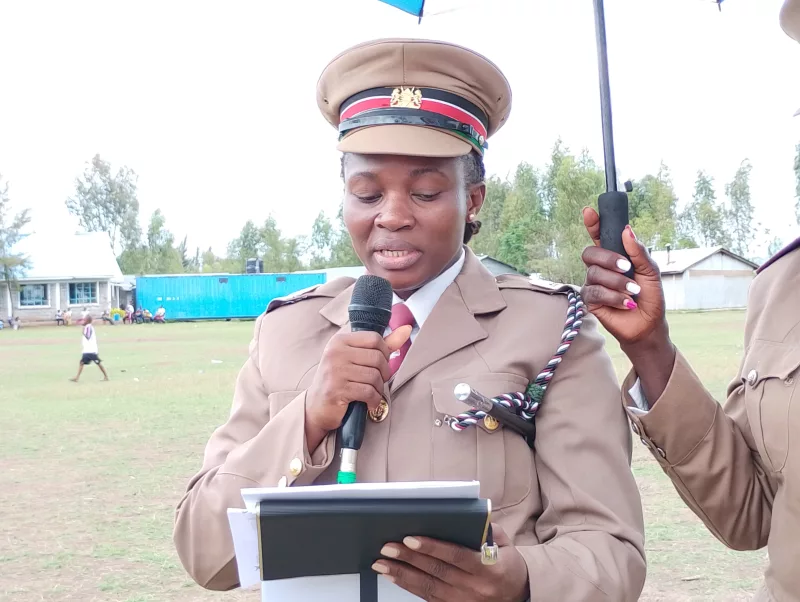
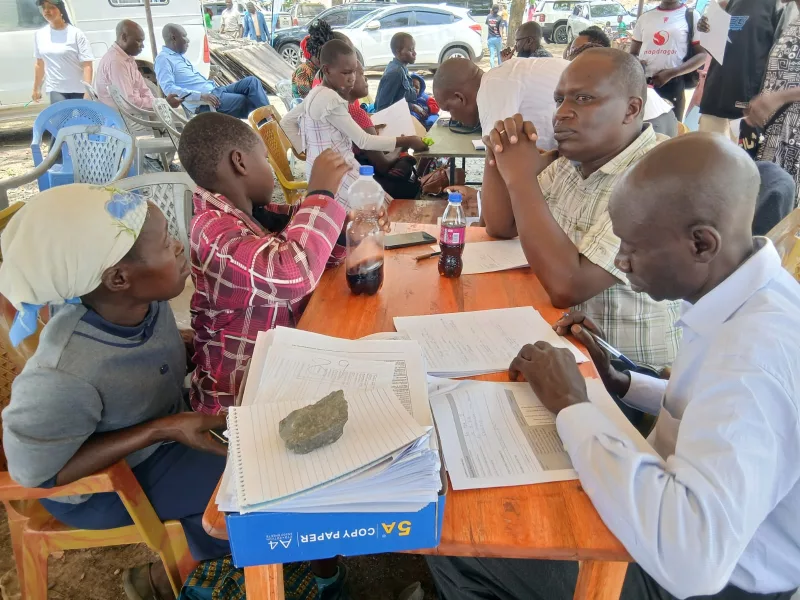
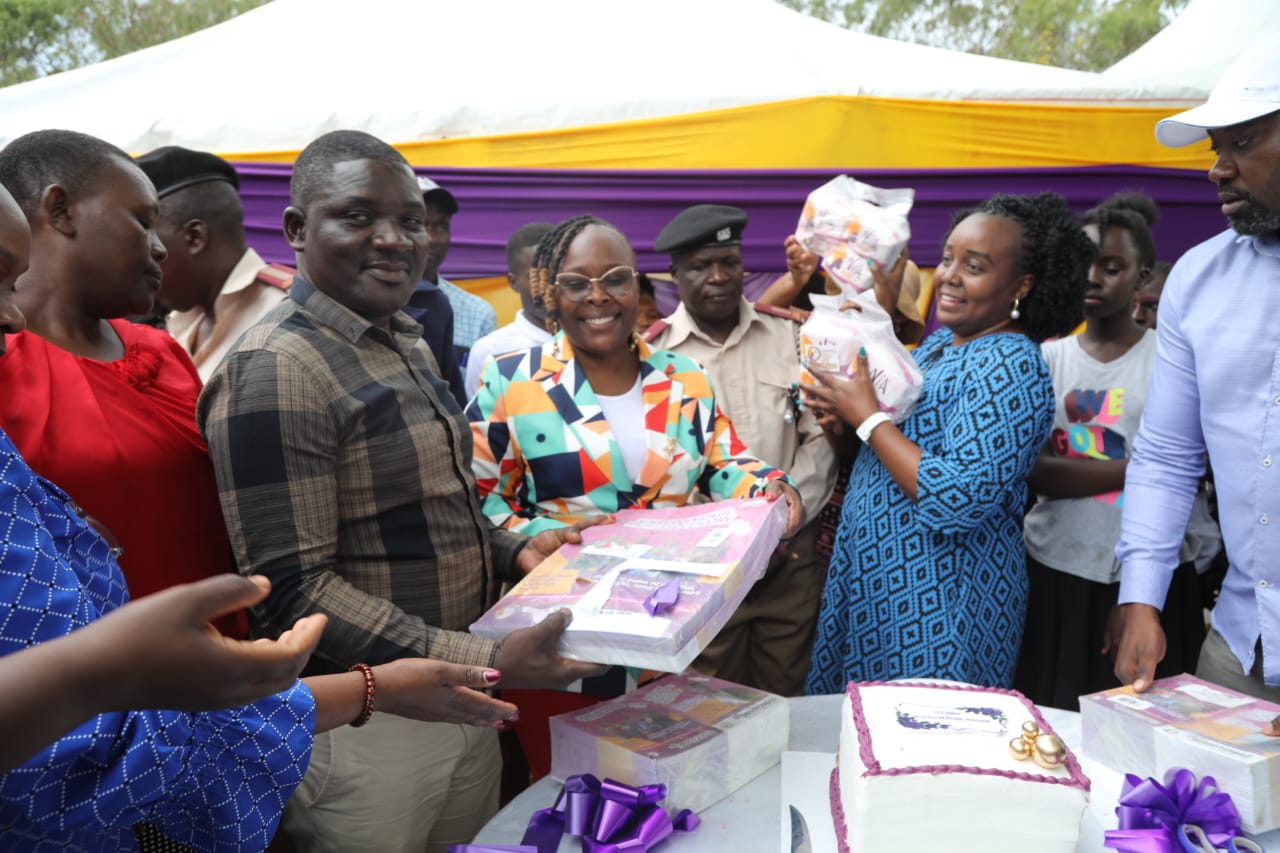
 Zana Africa team during the launch of a research to establish the causes of irregular and painful menstrual cycles./ROBERT OMOLLO
Zana Africa has launched a research to establish the causes of irregular and painful menstrual cycles among the young women and adolescent girls.
The organisation in collaboration with health experts will also look for ways of addressing such complicated menses. In some occasions,women and adolescent girls experience heavy flow.
The irregular and painful menses sometimes make them not to engage in activities. In their bid to undertake, understand and address the issue, Zana Africa together with health experts will ask women to explain their experience.
Zana Africa executive Director Beatrice Jane said the study targets women and girls of reproductive age (15 to 49 years).
" The women who will show up are expected to explain what and how they feel during their menses. They will undergo clinical investigations to establish what irregularities they have before they are advised how to manage the condition," Jane said.
 Zana Africa team during the launch of a research to establish the causes of irregular and painful menstrual cycles./ROBERT OMOLLO
She said they will used media talk shows and brochures to communicate to women and girls about the irregularities and the need to seek help.
The organisation programmes manager Alice Onsarigo said the project's main objective is to find out the main menstrual irregularities that are prevalent in the country and how they can be used to diagnose broader health issues. It will be conducted for two years and targets 10,000 women in eight counties.
They expect to push the government to come up with policies that will guide and help women with abnormal menses. Onsarigo said the findings will also enable the organisation to develop content and other learning materials that women can use to overcome the challenges they face.
"We urge women with unusual bleeding, especially which go on for more than seven days to come out for assistance.Painful and menses beyond seven days means there is a problem and it is important to seek help from a medical expert," Onsarigo said.
She said women need to know that there are certain symptoms they should not be having when they are in their menses.
“They should go to hospital because they could be having a broader issue that they are not aware of," she said.
Homa Bay Health Director Adel Ottoman said the choice of family planning can affect the menstrual cycle. He argued that some family planning methods can predispose women to experience irregularities during their menses. Some monthly body process sometimes comes with discomfort with some women having excessive bleeding.
The county health director says the study will help women overcome the challenge and get back to their normal life.
“That it is a sign that one is not in good health and if not attended to can lead to other health problems like mental impedance,” Ottoman said.
Gender stakeholders through Homa Bay executive member Elijah Munga and Public health chief officer Eveline Ododa called for an end to triple threat (Gender based violence, teenage pregnancies and new HIV infection). Munga called on men to report cases of GBV.
He said silence can lead to other health complications. The executive also expressed concern over digital abuse.
“We need awareness to enhance sensitization on such problems. It is an emerging threat that should be eradicated because it is impacting society,” Munga said.
Ododa urged residents to cooperate help the government fight GBV.