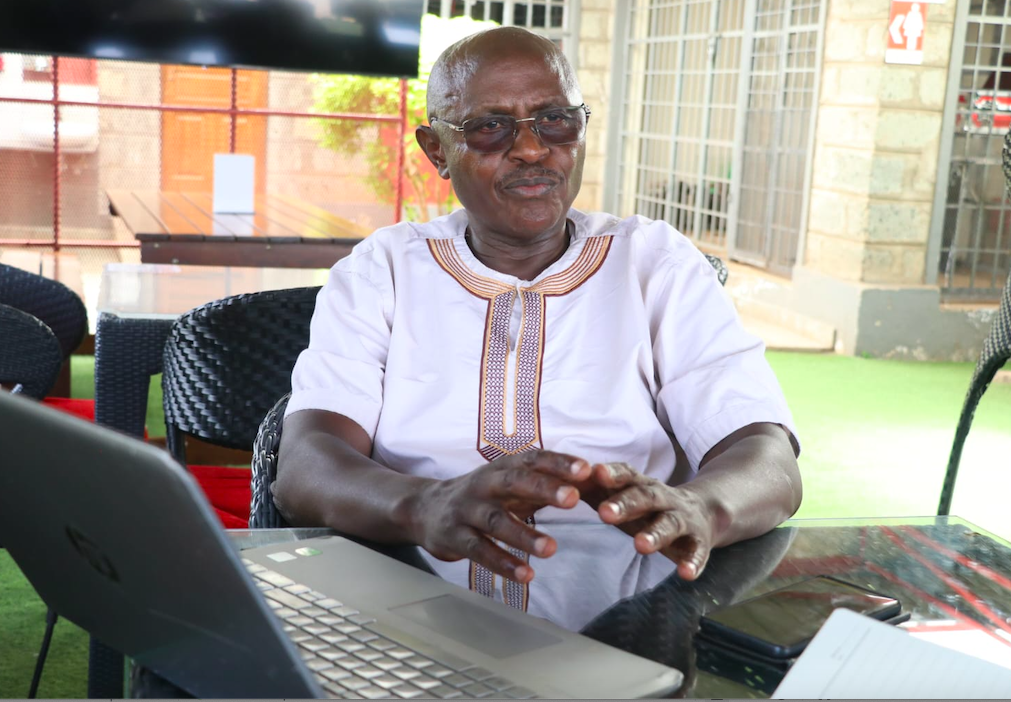
 Retired Kenya Defence Forces, air force and Tumdo rite of passage program mentor Rev Javan Kiprotich speaking during an interview with the Star in Karen on December 3 /LEAH MUKANGAI
In 2006, Rev Javan Tarno, alongside a colleague still serving in the Kenya Defence Forces, started an ambitious mission: to modernise the Kalenjin Tumdo rite of passage and integrate it with Christian values.
The Karen Tumdo programme was conceived from a simple yet powerful vision—to unite culture and faith across generations, while equipping young men with the skills and values needed for modern life.
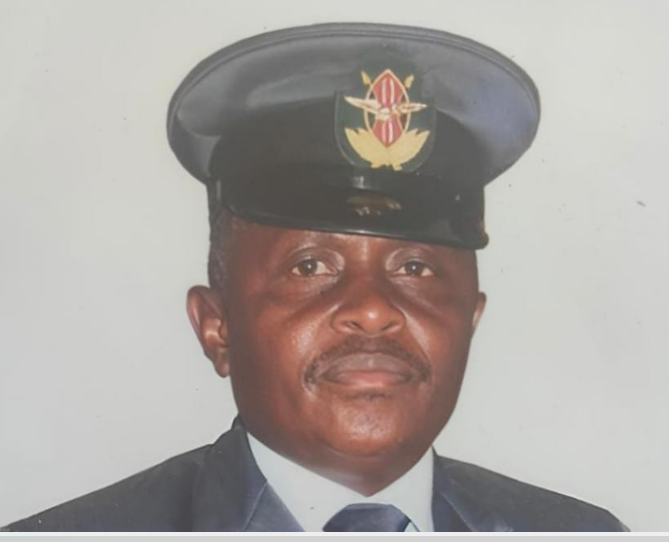
Tarno, a retired Warrant Officer Class I of the Kenya Air Force, spent 36 years serving his country.
Today, he channels that discipline, leadership and sense of service into mentoring youth, emphasising identity, integrity and faith.
“While I was in military uniform, I carried a vision to unite culture and faith. When my firstborn son reached the age of initiation, we faced a challenge: how to uphold Kalenjin tradition in a modern, urban setting,” Tarno says.
What began modestly at Baraka estate with just three boys has grown exponentially. In 2007, 12 boys participated; today, 140 undertake the programme each year.
To date, nearly 4,000 young men have completed the reformed Tumdo.
But the programme is more than a rite of passage—it is a platform for cultural revival, mentorship and preparing young men to confront contemporary challenges.
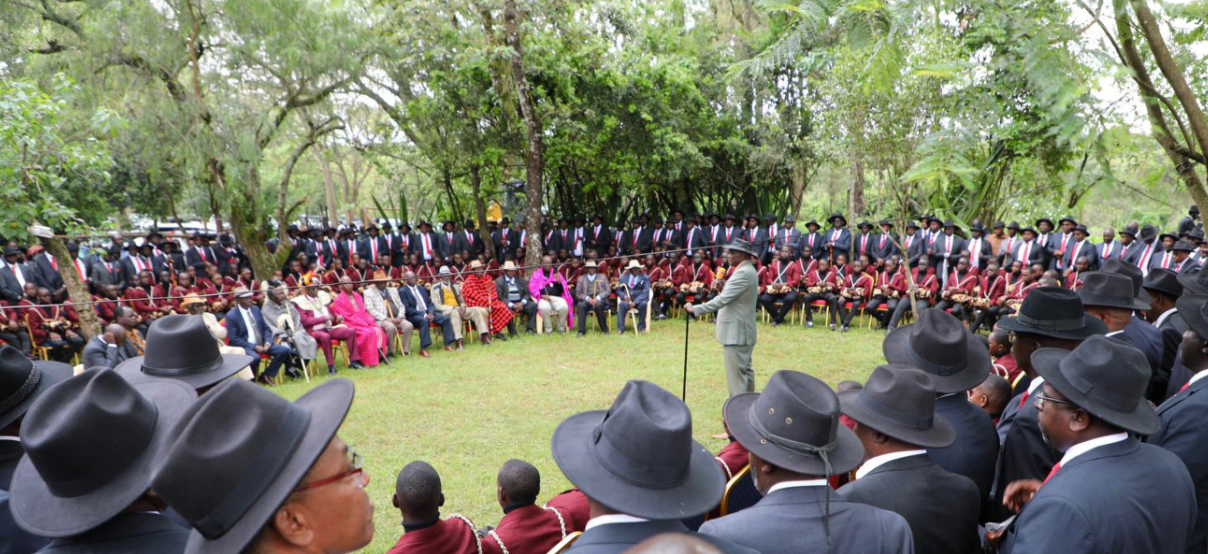
President William Ruto’s attendance of one of the ceremonies in Karen marked a historic milestone, signaling the full cultural acceptance of a reformed Tumdo.
All Kalenjin subtribes including Nandi, Tugen, Kipsigis, Marakwet, Keiyo, Terik, Sabaot and Pokot were represented in the event which was led by Mioot Council of Elders led by Maj (Rtd) John Seei.
For Tarno, this event was validation that tradition and modernity could coexist.
The inspiration for the programme runs deep in Tarno’s family. His grandfather, Rev Simion Tarno, served with the King’s African Rifles during World War I and encountered Christianity during the war.
On his return, he became a pioneer of cultural transformation among the Nandi people.
He founded the Nandi Native Industrial School—now Kapsabet Boys High School—and integrated spiritual guidance with traditional rites of passage, shaping a generation of young men.
“A century later, I carry the same torch of transformation, now through cultural revival and mentorship,” Tarno says.
The Karen Tumdo programme addresses the changing realities of Kalenjin youth.
Whereas Tumdo once produced warriors who resisted colonial forces and protected their communities, today it teaches financial literacy, career development, entrepreneurship and even emerging technologies such as artificial intelligence.
“We are training young men to fight today’s battles, not with bows and arrows, but with knowledge, discipline and purpose,” Tarno explains.
The programme also fosters unity and peace. By bringing together boys from all Kalenjin subtribes and emphasising shared values.
“The best way to affect our community and retain culture is to bring modernity to it,” Tarno notes. “Young people now say they have an identity. They know who they are and where they come from,” he says.
Faith remains central to Tarno’s approach. He accepted Jesus Christ while serving at Laikipia Air Base, guided by mentors and fellow officers, and was baptised in Mombasa in 1992.
From then onwards, he started preaching within the barracks, blending military discipline with spiritual mentorship.
He later founded the Jesus Army Evangelistic Ministry (Jaem), reaching thousands of youth across schools and institutions with weekend programmes and outreach initiatives.
In September, Tarno was recognised as a National Hero by the National Heroes Council of Kenya under the category of Cultural Values and Practices.
The honour acknowledged his pioneering work in shaping modern Kalenjin identity through the Tumdo Rite of Passage programme—a cultural and moral mentorship initiative redefining manhood for the new generation.
For Tarno, the award is personal and familial: a continuation of a legacy that started with his grandfather’s wartime encounter with faith and cultural reform.
Looking ahead, the Karen Tumdo programme is expanding.
A July ceremony caters to boys from the diaspora, including participants from Australia, the US, Canada, Germany and Israel, while the main December programme continues to attract youth from across Kenya.
Plans are underway to extend the initiative to rural areas, ensuring even remote communities have access to mentorship, cultural education and faith-based guidance.
Tarno’s philosophy is clear: culture must evolve, not remain rigid. “Culture is not just heritage; it is the heartbeat of a people, shaping how they relate to each other, to God and to their land,” he says.
When tradition becomes divided or stagnant, it can fuel misunderstanding and conflict.
Through the Tumdo programme, he seeks to bridge the gap between the old and the new, between believers and non-believers and among Kalenjin subtribes, fostering responsible, God-fearing and community-minded men.
The success of the programme offers a blueprint for cultural revival elsewhere.
By integrating mentorship, education, faith and modern skills with traditional rites, Tarno has shown that it is possible to honour heritage while preparing young people for contemporary challenges.
In his words: “We are raising a generation rooted in faith, identity and integrity—a generation ready to lead, serve and preserve our culture.”
The Naming ceremony
Javan Tarno