The proposed sale of a 15 per cent stake of the government's share in Safaricom was the biggest talk in the markets, with analysts divided on whether or not it was a good deal for taxpayers.
Although the National Treasury said it was happy with the Sh245 billion deal by Vodacom, as it gives a 25 per cent premium, several market analysts insist that Sh34 per share is an undervaluation and that the exchequer could have fetched a better price had the offer been floated in the open market.
Read Also
Kiharu MP and an avid trader at the Nairobi Securities Exchange (NSE), Ndindi Nyoro, threw a spanner in the works when he quickly called a presser to register his displeasure.
“Either the people at the National Treasury are putting their interests first, are just incompetent, or both,” Nyoro said.
“There was no competitive bidding. How did they set the price and how did they pick Vodacom as the buyer?”
The sale would give Vodacom a controlling 55 per cent stake in Kenya’s largest telecom company, reducing the government’s holding to 25 per cent.
Gerald Mwai of Cognative Trading, however, insists that a premium of Sh6 is fairly good. "The government bought the shares at Sh5. It has earned a cool Sh29 per share. That is not a bad business,'' he told the Star.
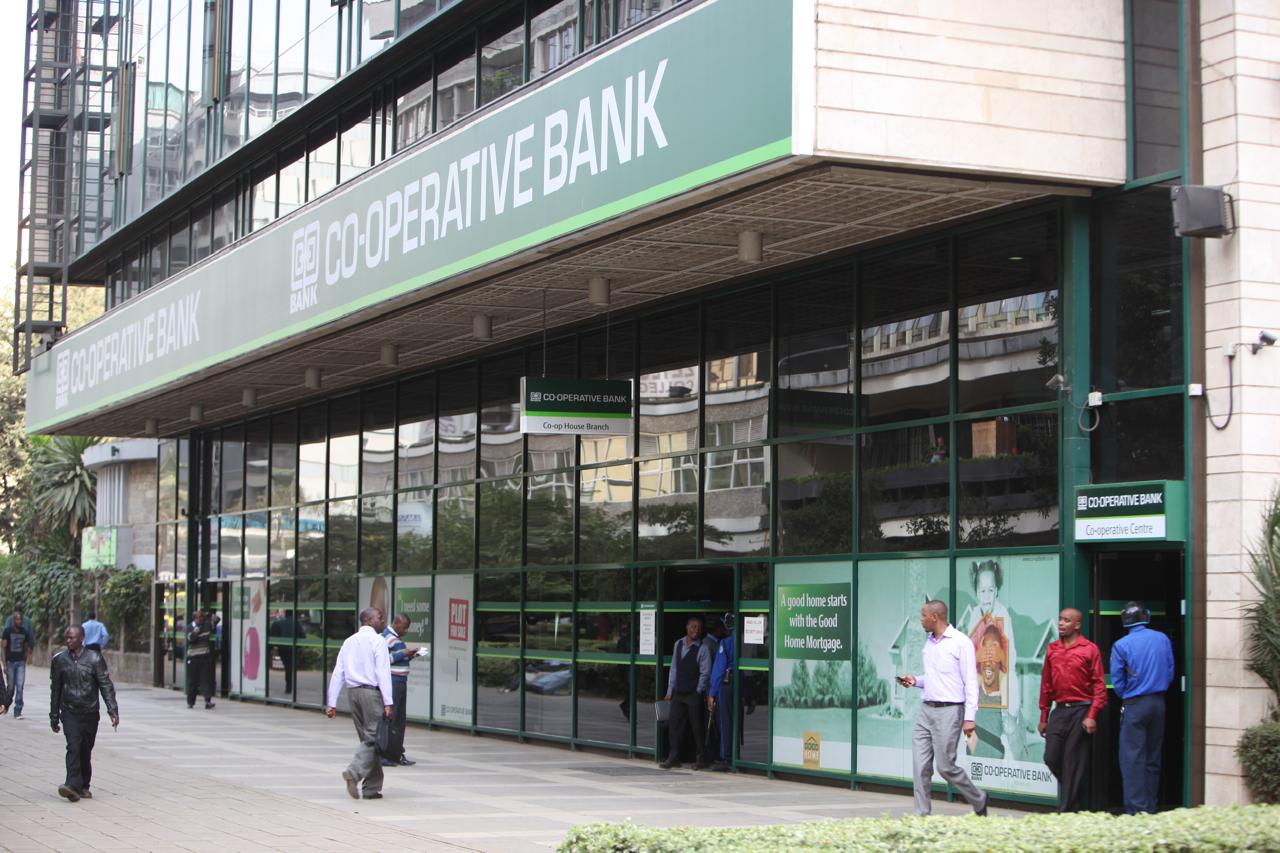
Elsewhere, Christmas came early for shareholders of Cooperative Bank, who got paid a dividend of Sh1 per share on Friday after the listed lender posted 12.3 per cent growth in after-tax profits for the nine months to September.
This was the first time the lender was paying out an interim dividend for the time since it was listed at the Nairobi bourse in 2008. A total of Sh5.8 billion hit shareholders' accounts.
Co-op Bank has traditionally paid only a final dividend, with last year’s total payout standing at Sh8.8 billion or Sh1.50 per share.
The payout saw the bank’s share price at NSE drop slightly by 1.94 per cent to close the week at Sh22.80 after gracing the top five gainers’ list for three consecutive weeks as shareholders anticipate the payout.
On Friday, KenGen shareholders endorsed a first and final dividend of Sh0.90 per ordinary share for the financial year, up from Sh0.65 last year, after gaining Sh10.48 billion in profits.
Cost reductions, expanded revenue streams and an improved foreign exchange position drove the growth.
In general, Uchumi Supermarkets extended its run for a 19th straight session, with its share price rising by 9.6 per cent to end the week at Sh1.60. The sustained rebound has pushed the retailer’s year-to-date gains to 841 per cent.
Other top gainers include Eaagads 10 per cent, Centum 6.2 per cent, EABL 5.3 per cent, TPS Serena was up 5.3 per cent and Nairobi Business Ventures gained 4.9 per cent.
East African Portland Cement’s rally eased for a second day. The share was down 9.86 per cent at Sh82.25 at midday after closing at Sh91.25 yesterday, a drop of 8.06 per cent, following a week of heavy gains linked to the Kalahari–NSSF stake deal.
Losers were led by Unga, down 9.98, Portland at 9.86 lower, KenGen down 9.13, Standard Group off 8.67, Jubilee down 6.66 and TotalEnergies down 3.52 per cent.
Turnover stood at Sh753 million on 34.7 million shares. Kenya Power led with Sh196.8 million after moving 16.4 million shares, Safaricom at Sh142 million, Equity Group at Sh131 million, EABL at Sh104 million and Co-operative Bank at Sh63.4 million.
Foreign buys totalled Sh142 million, led by Equity Group at Sh121 million, Safaricom at Sh17.5 million and KenGen at Sh2.5 million.
Foreign sales amounted to Sh79 million, driven by Safaricom at Sh77 million, KenGen at Sh1.1 million and BOC Kenya at Sh0.42 million.
The Nairobi bourse reported mixed performance at the close of the week, with the NASI and NSE 25 share price indices increasing by 0.94 per cent and 0.26 per cent, while the NSE 20 share price index decreased by 0.65 per cent.
Market capitalisation increased by 0.94 per cent while equity turnover and total shares traded decreased by 31.54 per cent and 13.63 per cent respectively.