 Eunice Mburu in Vihiga: “The President has repeatedly spoken about Kenya becoming a first-world nation. For that to happen, citizens must be equipped with first-world behaviours: planning, productivity, discipline and skill."
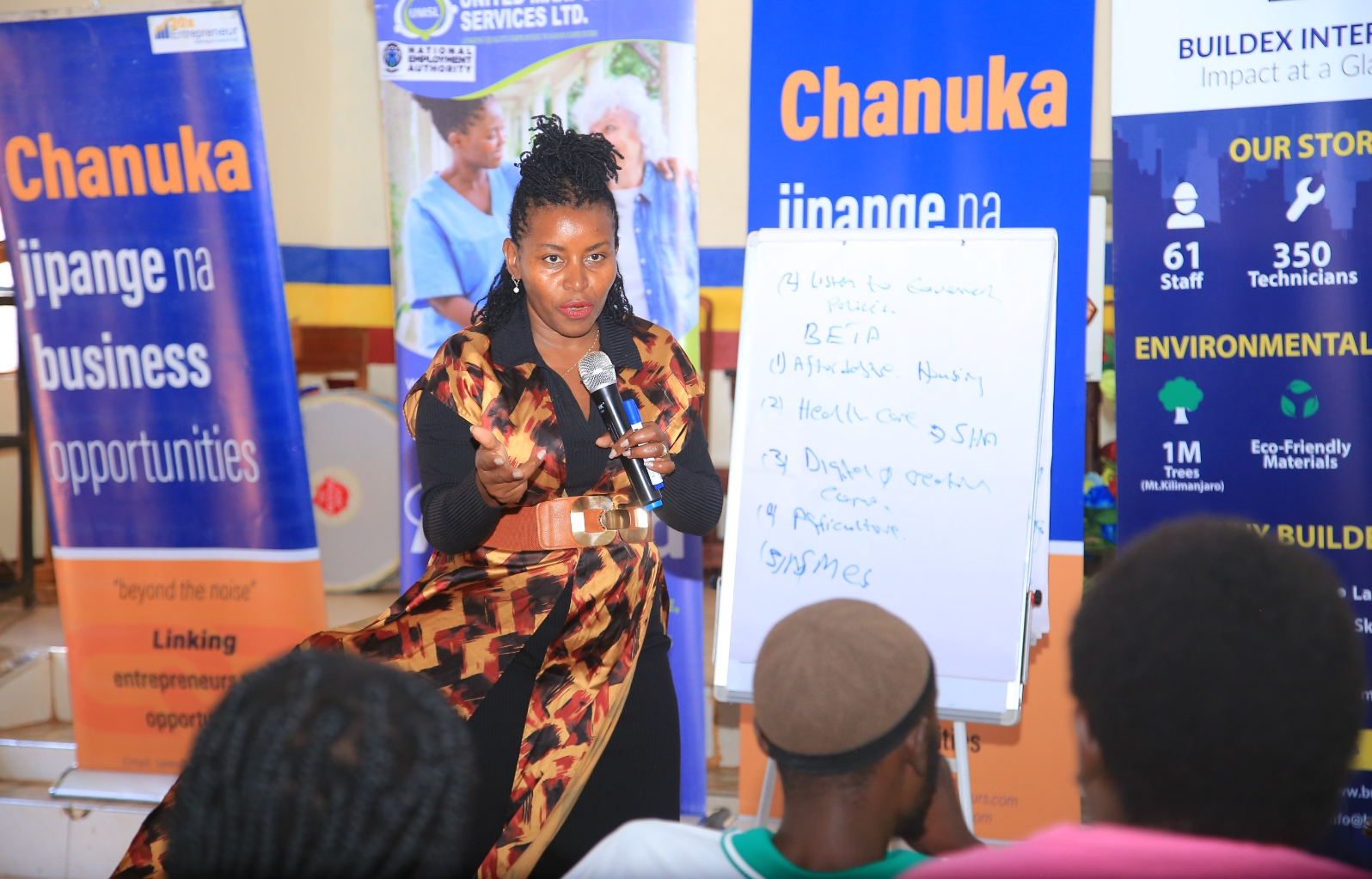
The session, part of the Chanuka Jipange na Business Opportunities initiative, brought together residents from diverse backgrounds: youth, traders, boda-boda drivers, artisans, and community leaders.
According to the facilitators, the audience came in with a familiar sense of resignation around the economy: “hakuna kazi,” “life is hard,” and “we just need money.” But by the end of the training, many participants reported a shift in perspective.
“What we saw in Vihiga is that people are not unambitious-they’ve simply lacked exposure and clear pathways,” said lead trainer and economic empowerment advocate Eunice Mburu.
“Once they understood how government policies, financial tools and skills can directly shape their lives, their enthusiasm and confidence returned almost instantly.”
The training introduced participants to practical frameworks for identifying opportunities through government programmes, market changes, skillsets and personal goal-setting.
Residents also discussed their engagement with the Hustler Fund, with many acknowledging that consistent repayment had begun to show benefits, though few had understood the growth structure of the fund before the session.
Vihiga, one of Kenya’s smallest and most densely populated counties, faces unique economic pressures-limited land, scarce formal jobs and high competition for low-income work. Despite this, the county has one of the highest literacy levels in the region. Trainers say this combination creates both a challenge and an opportunity.
“The President has repeatedly spoken about Kenya becoming a first-world nation. For that to happen, citizens must be equipped with first-world behaviours: planning, productivity, discipline and skill,” Mburu noted. “Policy creates the environment, but people create the value.”
According to Mburu, the Vihiga training demonstrated that economic literacy is one of the most underutilised tools in national development.
Many residents admitted it was their first time learning how government policies, from digital platforms to county markets, affect their financial journey. “Once people saw the connection between national policy and their personal income, their mindset changed,” she said. “They realised they are not just observers of the economy — they are participants.”
The Chanuka Jipange initiative, already rolled out across more than 37 counties, aims to equip micro-entrepreneurs and households with practical tools for income growth, mindset transformation and opportunity identification.
As economic debate intensifies nationally, with rising cost-of-living concerns, calls for productivity, and questions about implementation of the Bottom-Up Economic Transformation Agenda, the Vihiga experience highlights a critical dimension often missing in public discourse: the role of mindset.
“Kenya will not rise on infrastructure alone,” Mburu said. “It will rise when citizens believe they can elevate their lives and are equipped with the tools to do so.” The initiative by 20X Entrepreneur continues its county tours over the coming months.