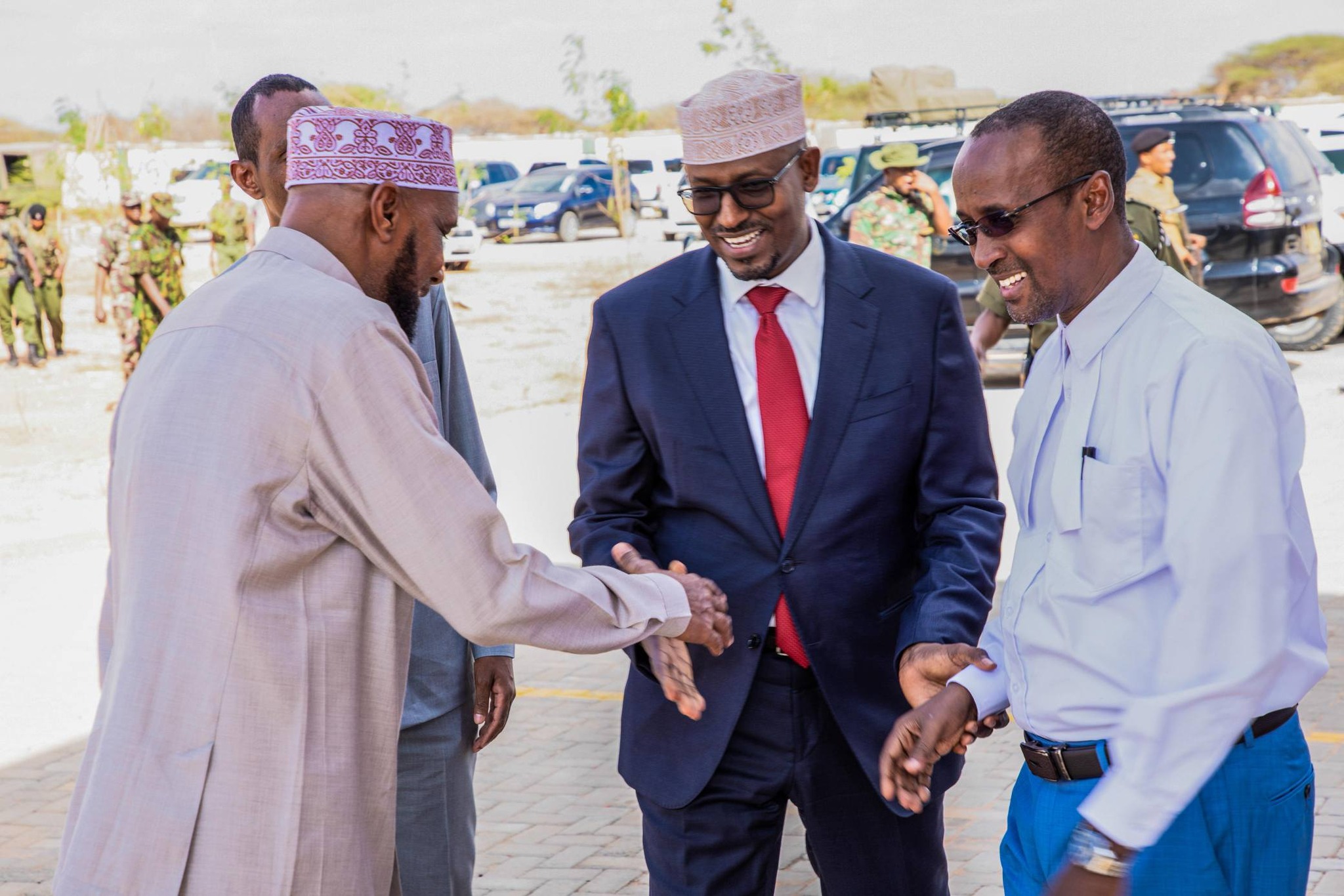
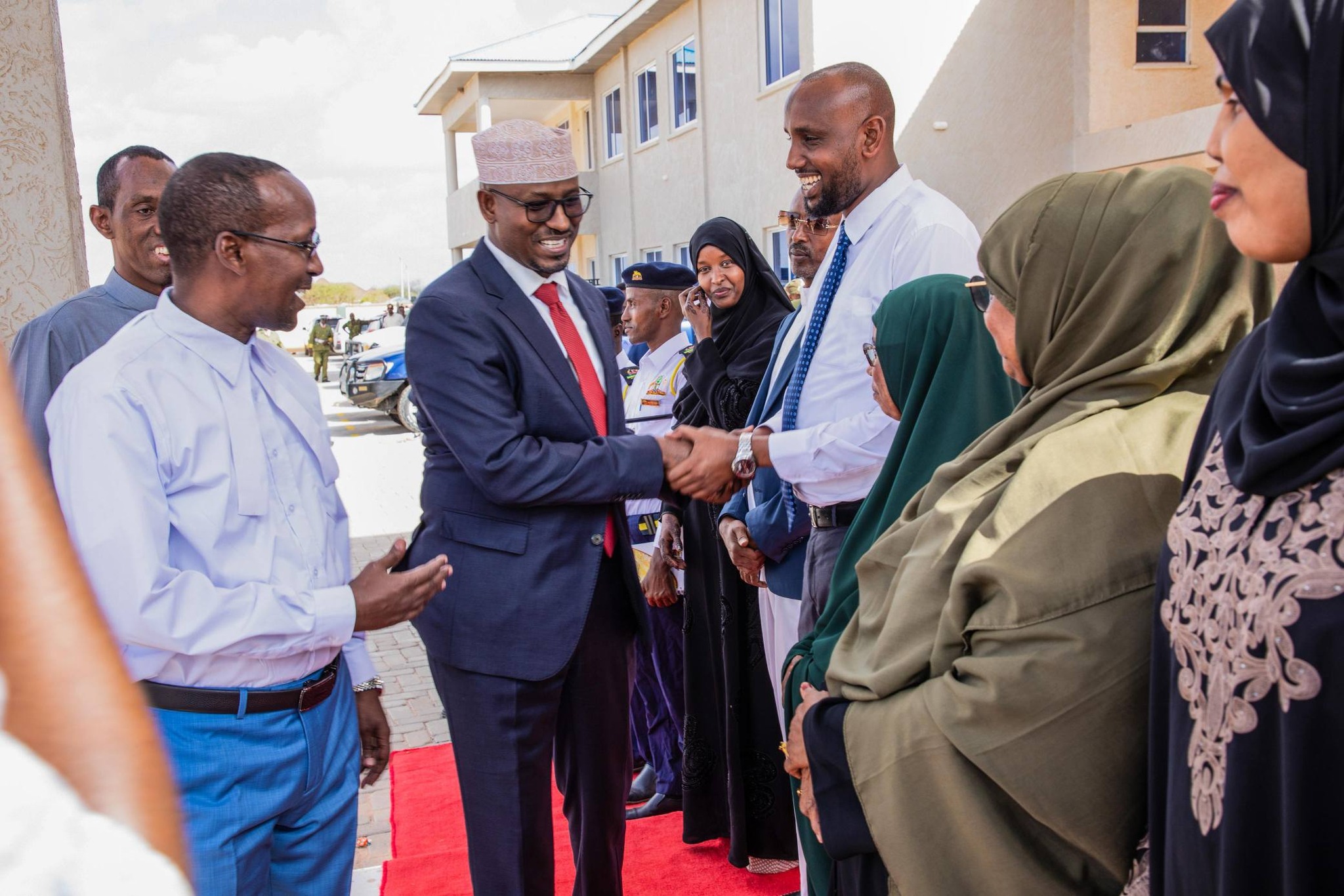
Wajir Governor Ahmed Abdullahi greets MCAs
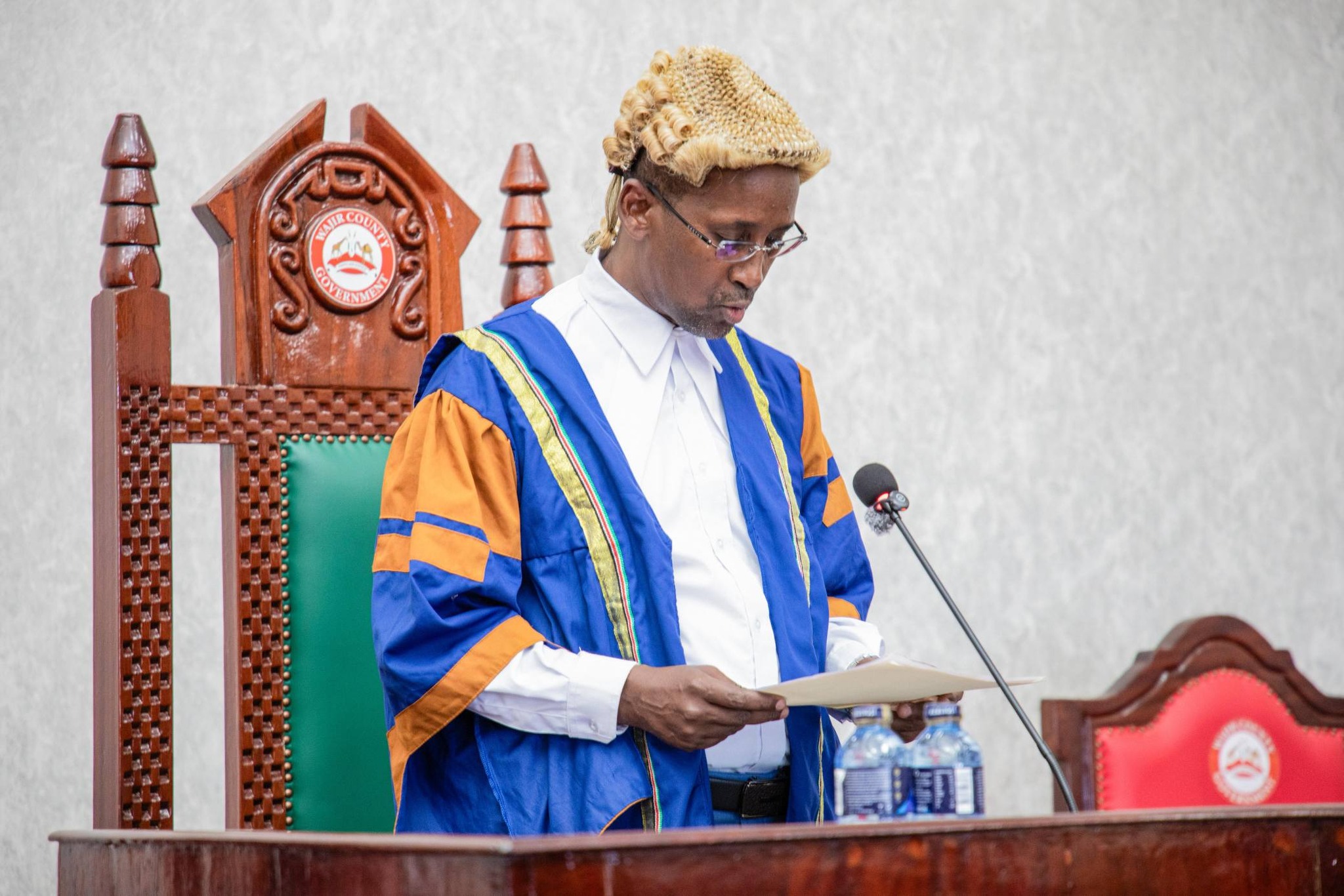
WAJIR Governor Ahmed Abdullahi has outlined what he described a transformative three-year journey marked by reforms.
In his state of the county address, he highlighted reforms in key sectors like water, healthcare and fiscal management.
Abdullahi, whose speech largely touched on reforms on the health sector, said when he took over the sector had suffered the effects of neglect, weak infrastructure and underfunding.
“When my administration entered office, we pledged to restore order in county governance and rebuild public confidence after years of institutional decline. Three years down the line, I can confidently say we have managed to do exactly that,” Abdullahi said.
He told the assembly that Wajir had started to turn the corner. Hospitals previously under-equipped were now functional, water shortage was being addressed through rapid drilling of boreholes and financial systems once mired in opacity had been stabilised and modernised.
“We made commitments to improve services and strengthen our institutions. I'm pleased to report that we have honoured that mandate and continue to honour it,” the county chief said.
He said the county crafted a comprehensive roadmap that set out to elevate the Wajir County Referral Hospital to level five status and upgrade eight level three facilities. The result, he said, has been an unprecedented expansion of Wajir’s healthcare infrastructure.
The governor said the referral hospital has undergone transformation with a fully equipped blood transfusion centre, a modern mortuary and a refurbished accident and emergency unit.
He said new diagnostic technologies, upgraded theatre units, an expanded laundry house with industrial-grade machines, and ongoing construction of an MRI block have further strengthened the facility’s capacity.
Abdullahi said seven upgraded level four facilities were currently undergoing solarisation to secure reliable power for critical services. He described these developments as the most significant health infrastructure expansion in the county’s history.
He credited the enactment of the Facilities Improvement Financing Act, allowing hospitals to generate and spend their own revenue, a change he called “a historic moment in our health financing landscape.”
Preventive health care also featured in his address, where he said 54 dispensaries that had been shuttered in previous years have now reopened. The installation of solar-powered vaccine refrigerators has pushed immunisation coverage, a shift he termed essential in protecting children from deadly but preventable diseases.
He also highlighted progress in the education sector, noting that his administration has constructed new ECDE classrooms and provided instructional materials to young learners.
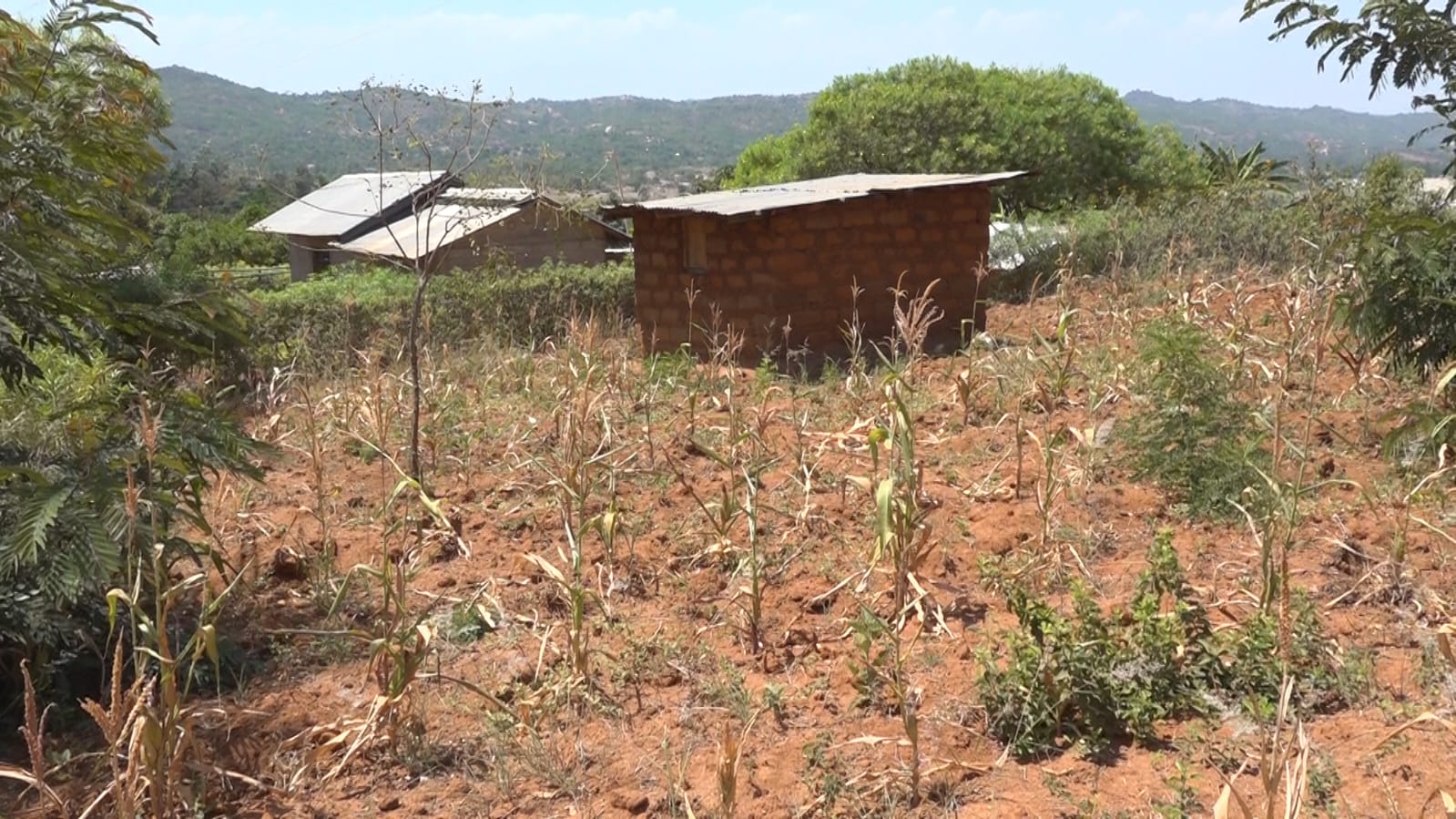
In the water sector, he reported that there are currently 377 functional boreholes, with an additional 27 ready for commissioning. He acknowledged persistent gaps, noting that several villages continue to rely on water trucking because new settlements have stretched the demand.
He also reported that under the Horn of Africa Underground Water Resilience Project, Wajir is set to receive investments, covering 17 sites with borehole rehabilitation, expansion of waterworks and installation of hybrid reverse osmosis plants. Groundbreaking for the first batch is expected in early December.
Abdullahi also addressed Wajir town’s acute water shortage, revealing that hydrological surveys and test drilling have begun to identify a sustainable source.
On infrastructure development, he said his administration is maintaining all existing roads and expanding tarmac into the settlements of Wagberi, Halane, Jogoo, Barwaqo, Shalete, and Hodhan.