KENYA’S textile industry has struggled to pick up since a collapse in the 1980s and 1990s. The collapse was primarily caused by economic liberalisation policies that led to high production costs, competition from second-hand clothing imports (mitumba) and a decline in cotton production, which pushed many companies out of business.
One company has however stood the test of time. Thika Cloth Mills was established in 1958. To date, the 67-year-old company, which is a leader in textile manufacturing dealing in blended polyester viscose suitings, cotton suitings, fibre dyed polyester viscose, cotton drill, yarn dyed checks, cotton twill, bed sheeting fabric, khanga, curtains, kitenge and kiko continues to serve the Kenyan market with quality products.
It also empowers communities and nurtures the future by supporting over 40,000 local farmers in cotton farming, SMEs and sustainable practices.
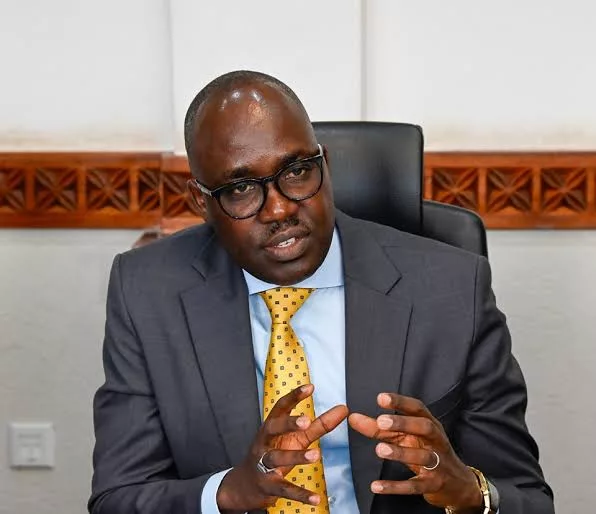
The Star spoke to managing director Dr. Tejal Dodhia, a believer of 'Buy Kenya, Build Kenya', on the company’s journey and future prospects in the textile industry.
In a nutshell, tell us about the company?
Thika Cloth Mills started around 1958, that was before I was born. It was just a factory that used to stitch vests before expanding. Most textile factories were established in the 60s and 70s and the industry did so well up to the 1990s when liberalisation happened and a lot of these factories began to fall, simply because clothes started coming from India, China, Pakistan and other markets. With imports, the factories could not remain sustainable and we witnessed the collapse of almost 52 factories. The fall of the industry impacted cotton farming and investments but some private entities survived including us.
What is your story with Thika Cloth Mills and how did you survive the collapse of industry in the 90s?
I had come back from the UK and one day my dad told me we were going to Thika. I really did not know what to expect but after seeing what was going on there, I got interested in running the business.
In 2011 when my dad passed away, we were at crossroads battling high cost of investment into new machinery and low return on investment, but for me, it was about the people, you know, because the company employed so many people and these were livelihoods. When you have been given everything in life, you are not supposed to turn a blind eye. So, we decided to find a way to keep going.
I went looking for the government to see how we can sustain jobs and the farmers we had. The first people I met were President William Ruto who was at that time the Agriculture Minister and then the late former Prime Minister Raila Odinga. We shared the Buy Kenya Build Kenya vision. At the time, we were supplying the private security companies and we thought of how we could supply the country's disciplined forces.
The government was very supportive and it helped sustain the factory and set the pace to where we are today. We are able to deliver quality, beat deadlines and meet the needs of the private sector and government meaning the country doe not need to import. We can do a lot locally.
What was the most difficult time for the company and how did you come out of it?
It is when I came in. When I came back to Kenya, the textile industry was already collapsing. The headlines were dominated by stories of job losses, factory closures and frustrated cotton farmers. To survive, we had to rethink our strategy entirely. We focused on producing what the market needed.
Since demand for uniforms could not be met by second-hand clothing, we prioritised supplying anyone who required uniforms. We expanded our product range and today Thika Cloth Mills manufactures more than 30 different fabric qualities, serving a wide variety of customers. As a result, Thika Cloth Mills has become renowned for its quality and fast delivery.
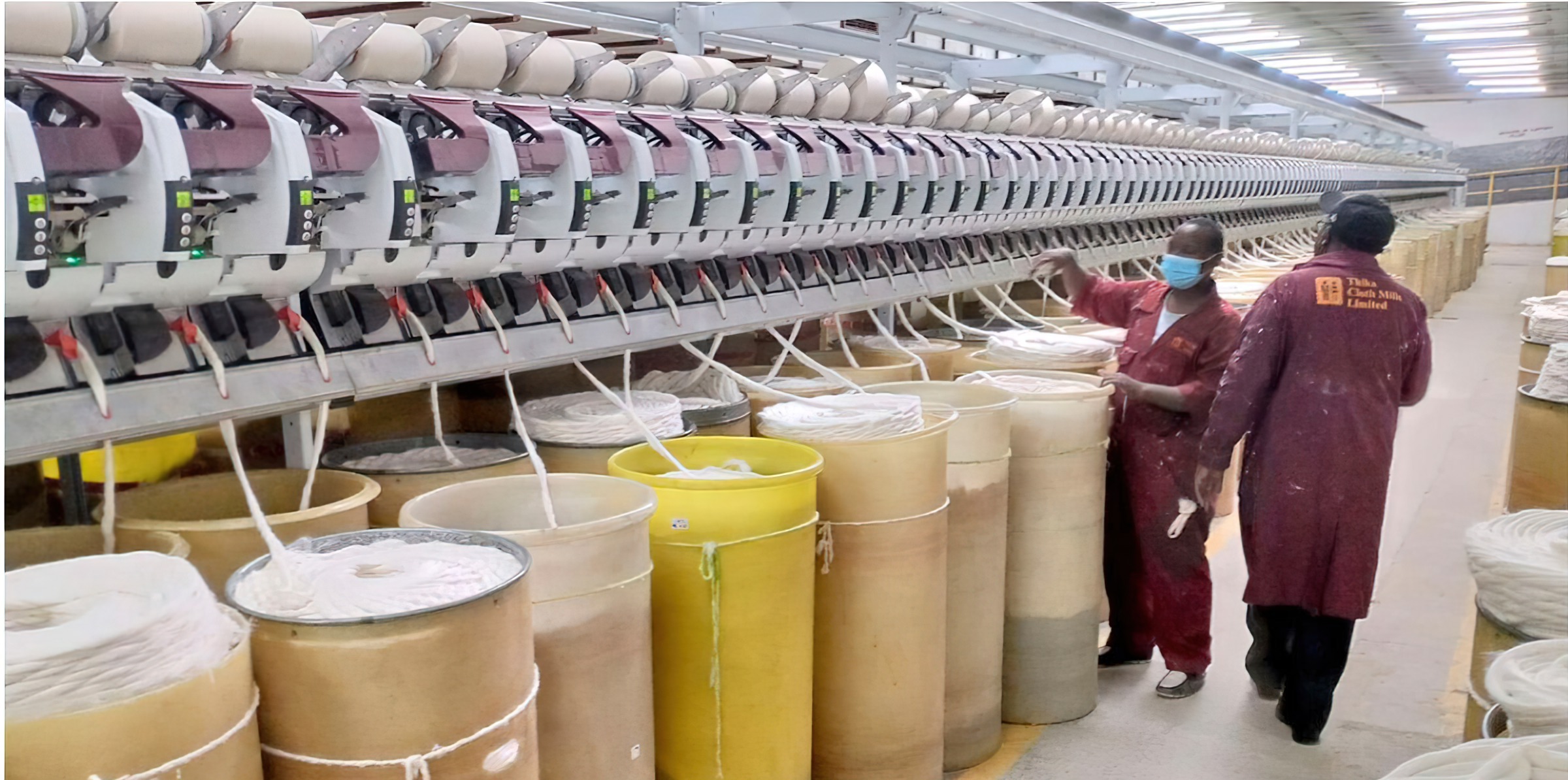
To enhance our operations, we invested in modern spinning and finishing machines that are faster, more efficient and better suited to processing cleaner fiber. On the sustainability front, we utilise solar energy, a biomass steam boiler and an Effluent Treatment Plant to reduce environmental impact.
What are some of the biggest challenges in the industry?
High power costs and higher interest rates remain a significant barrier for local industries. Manufacturing is very capital intensive, you need to borrow to invest so the interest rates on loans play a very big role. Like each of the machines you see in Thika costs up to Sh40 million. We have 80 looms. A machine like the auto power machine can go up to Sh100 million so you can imagine the kind of investment which is there.
You also need working capital. In Europe for instance, they pay about three per cent on interest rates. Here we are paying 14 per cent. The Central Bank of Kenya has managed to bring them down but I think we need a single digit. Reducing these costs would significantly improve the competitiveness of the textile sector.
You have been a champion of the ‘Buy Kenya Build Kenya’ initiative, why do you believe in Kenyan products so much?
The Buy Kenya, Build Kenya initiative supports our sector by creating jobs and providing cotton farmers with a stable, reliable market. Sourcing cotton locally strengthens rural economies, encourages value addition and it supports the long-term growth of the cotton industry in Kenya.
We want to thank the government of Kenya, from disciplined forces, the Presidential Delivery Unit, Ministry of Industry and Agriculture for all the support in the Buy Kenya Build Kenya initiative.
President William Ruto’s government has been very supportive. Same with former President Uhuru Kenyatta’s government which also backed the industry.
Wherever we can buy Kenya, build Kenya, whether it is textile, furniture or any other local product, it means we are building our economy and the country. So yes, i am a believer of our capacity and strength so let us build our country together.
You lead an initiative to revive cotton farming by supporting farmers in the country and the wider value chain. Tell us about it?
To revive the cotton industry, TCM has been actively supporting farmers by providing free BT cotton seeds, pesticides and other inputs. This year, the government also stepped in, supplying cotton seed from Cameroon. As a result, we have seen impressive cotton production in regions including Mpeketoni, Kwale, Taita-Taveta, Magharini, Siaya, Busia, Bungoma, Homa Bay and Baringo.
We source cotton from these areas with the support of ginneries such as Meru Ginnery, Makueni Ginnery, Kitui Ginnery, Lake Kenyatta Ginnery, Salawa Ginnery and Muluanda Ginnery. Our focus is on value addition, not merely buying raw cotton, but our long-term vision is to make cotton farming more profitable, sustainable and integrated into the national economy.
How would you describe the African market and are you exploring other markets?
The African market remains challenging due to an overwhelming presence of both new and second-hand imports sold at very low prices. In such a competitive environment, quality and reliability matter more than simply reducing prices.
Africa has the capacity to manufacture and sale its own textiles within the continent but only if we secure strong markets and commit to long-term industrial development. As a company, we are looking outward to the US, UK and African markets under AfCFTA as we expand our export footprint. We are proud of the work of Kenyan hands. We love what we make and we extend our sincere gratitude to all our customers for their continuous support.
What advice would you give someone who wants to venture into the textile industry?
The biggest challenge in the textile industry is the market. So create a market and then go for production. Also look at pricing carefully.