KENYAN banks’ impaired loan ratios will remain elevated in 2026 due to large outstanding public-sector arrears, Fitch Ratings says.
However, the banking sector’s high pre-impairment operating profit is sufficient to comfortably absorb loan impairment charges while allowing for capital accretion and increased loan growth.
The banking sector’s total loan loss allowance coverage of impaired loans was 59 per cent at the end of H1, reflecting some reliance on collateral and recoveries.
According to Fitch, net impaired loans were 23 per cent of the banking sector’s total equity at the end of 1H25 but risks to capital are mitigated by high pre-impairment operating profit annualised at nine per cent of average gross loans.
"This provides a large buffer to absorb loan impairment charges while allowing for capital accretion and increased loan growth."
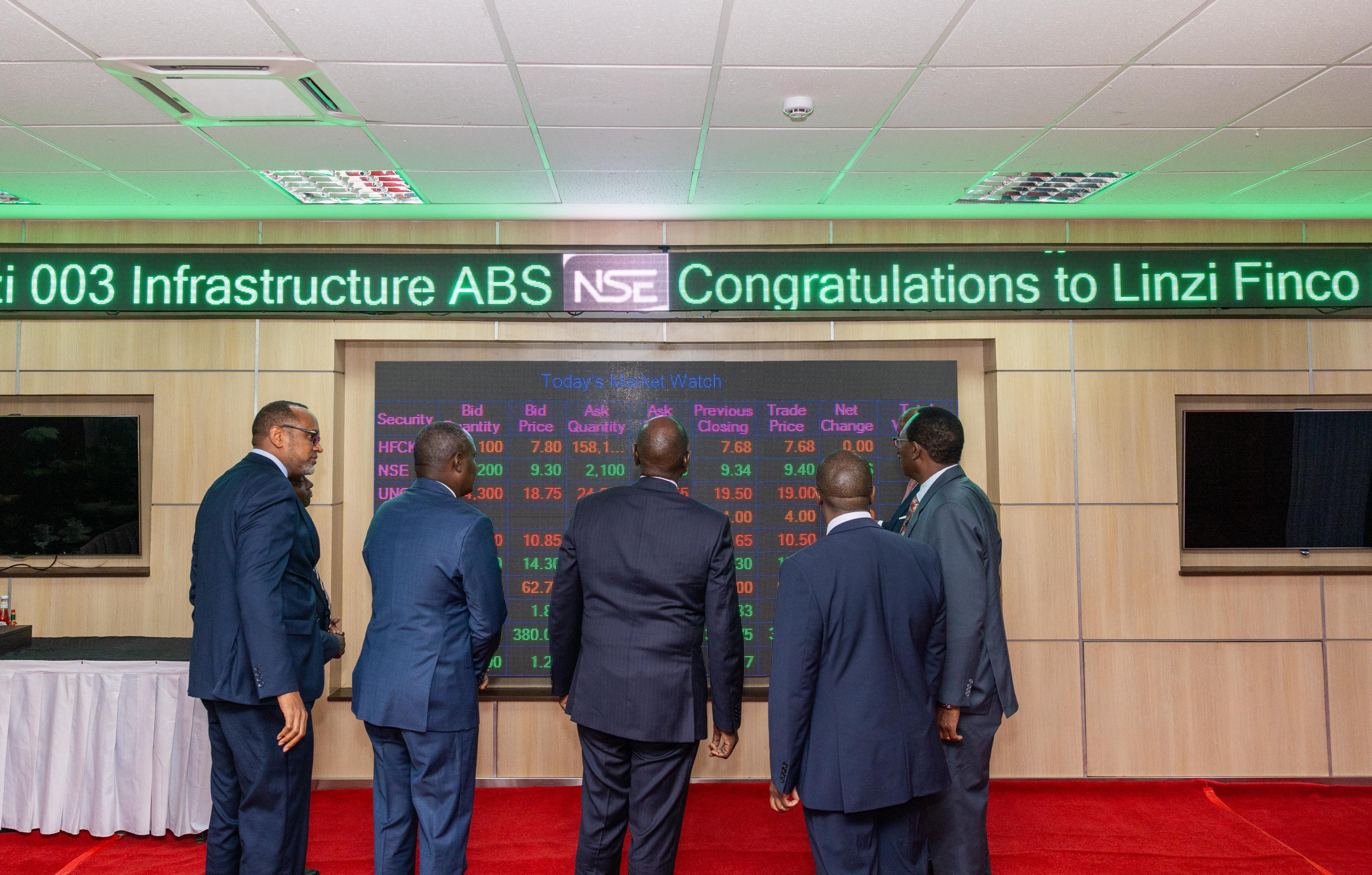
The credit rating agency has predicted high return on investment for banks' stock investors as their counters rally the Nairobi bourse back above Sh3 trillion.
Last week, Co-operative Bank Group investors’ paper wealth at the Nairobi Securities Exchange grew by nine per cent, after the lender posted a net profit of Sh21.6 billion in the first nine months to September.
Co-op Bank‘s share hit a high of Sh24.90, pushing total market cap to Sh146 billion.
This is the lender’s highest share price since it was listed on the NSE in 2008.
The bank’s board declared a dividend of Sh1 per share for the nine months, with net earnings growing 12.3 per cent compared to Sh19.2 billion posted in a similar quarter in 2024.
Gross earnings surged to Sh30 billion. Co-operative began the year with a share price of 16.45 KES and has since gained 50.8 per cent on that price valuation, ranking it 29th on the NSE in terms of year-to-date performance.
The financial sector dominates the year-to-date performance, with NSE, Home Afrika, HF Group, DTB gaining between 75- 230 per cent.
Generally, NSE posted less activities in the week ending November 14 compared to the previous week.
All indices dropped, with NASI, NSE 25 and NSE 20 share price indices decreased by 2.88 per cent, 2.59 per cent and 1.45 per cent, respectively.
Market capitalization and equity turnover decreased by 2.88 per cent, 9.38 per cent respectively, while and total shares traded increased by 8.76 per cent.
Meanwhile, high diaspora remittances continued to support the rising foreign exchange reserves which remained adequate at12.3 billion (Sh15.9 trillion) (5.4 months of import cover).
This meets the CBK’s statutory requirement to endeavour to maintain at least 4 months of import cover.
Remittance inflows to Kenya totalled $438.8 million (Sh56.7 billion) October 2025 from $437.2 million (Sh54.6 billion) in October 2024, an increase of 0.4 per cent .
The 12 months cumulative inflows to October 2025 increased by 5.8 per cent to $5.08 billion (Sh656.3 billion) compared to $4.8 billion (Sh620 billion) in a similar period in 2024.
Kenyans working and living in the US, Middle East and Europe led in sending money back home.