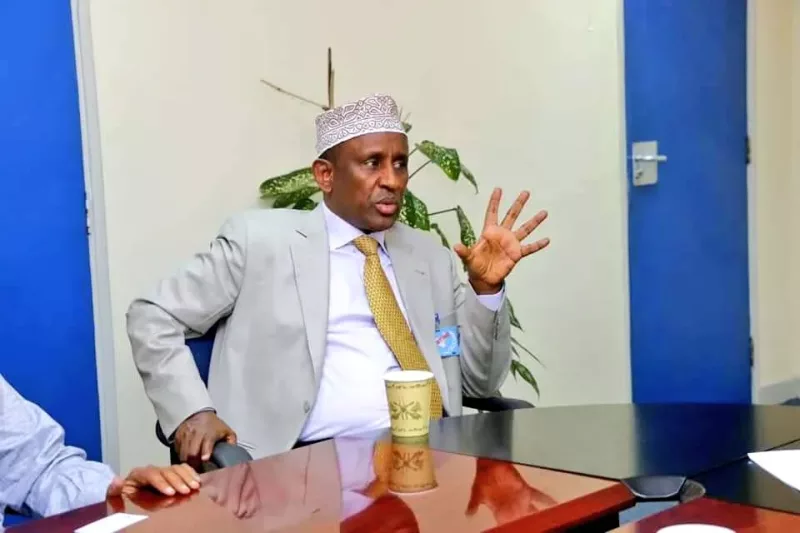
 Garissa human Rights Defenders Network chairperson Mukta Dahir./STEPHEN ASTARIKO
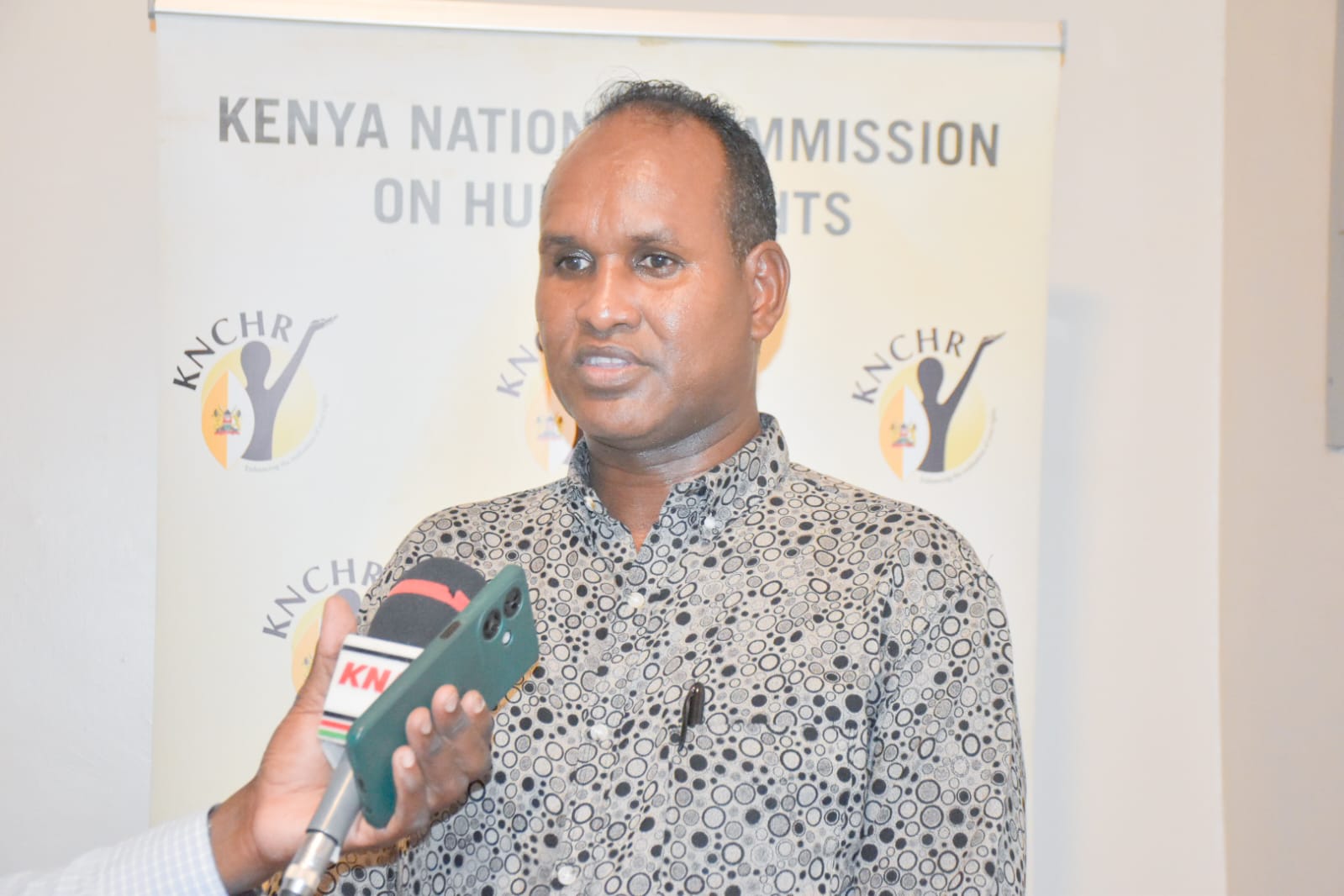
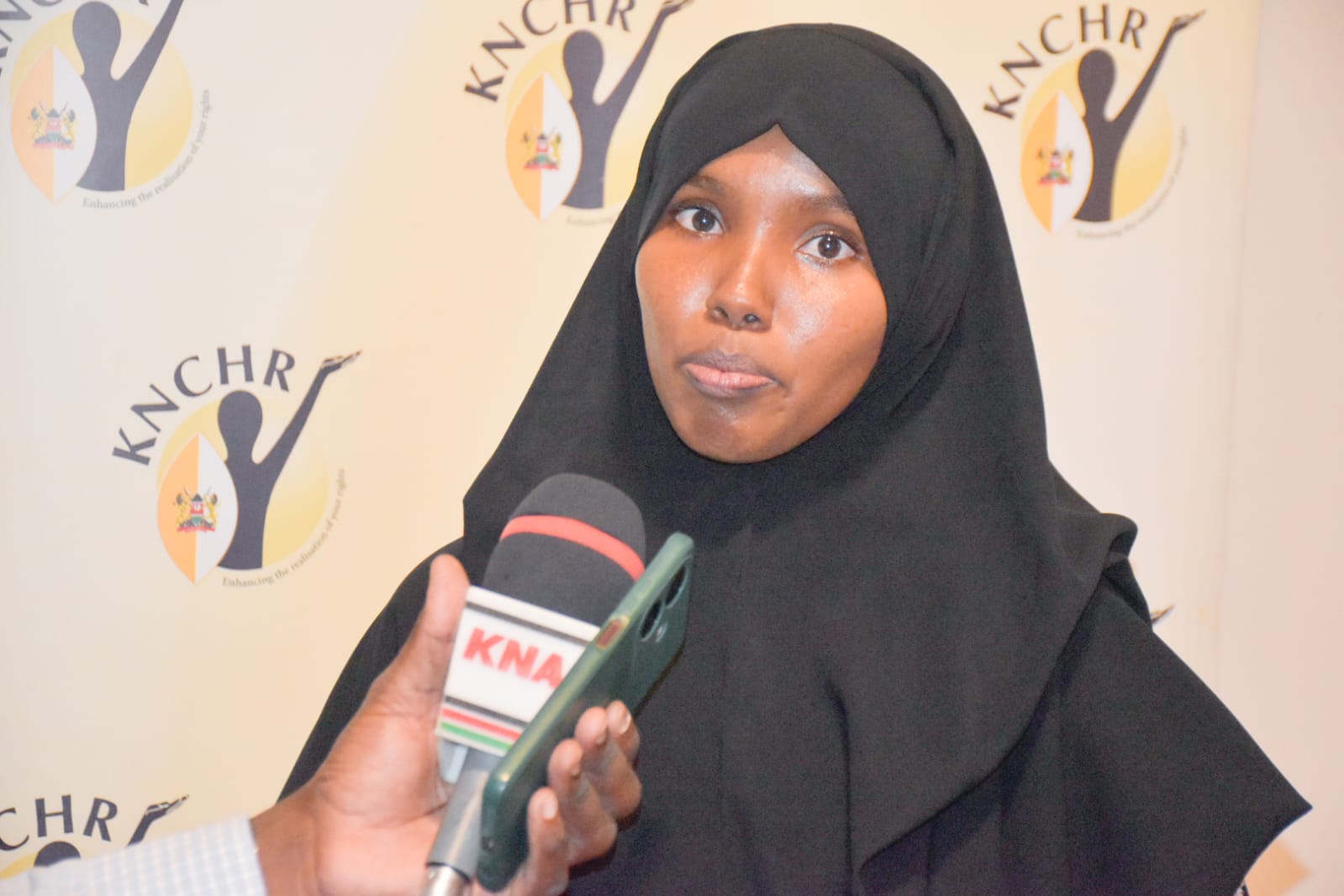 Nimo Iftin, a human rights defender and an FGM survivor
speaking to the press./STEPHEN ASTARIKO
Nimo Iftin, a human rights defender and an FGM survivor
speaking to the press./STEPHEN ASTARIKO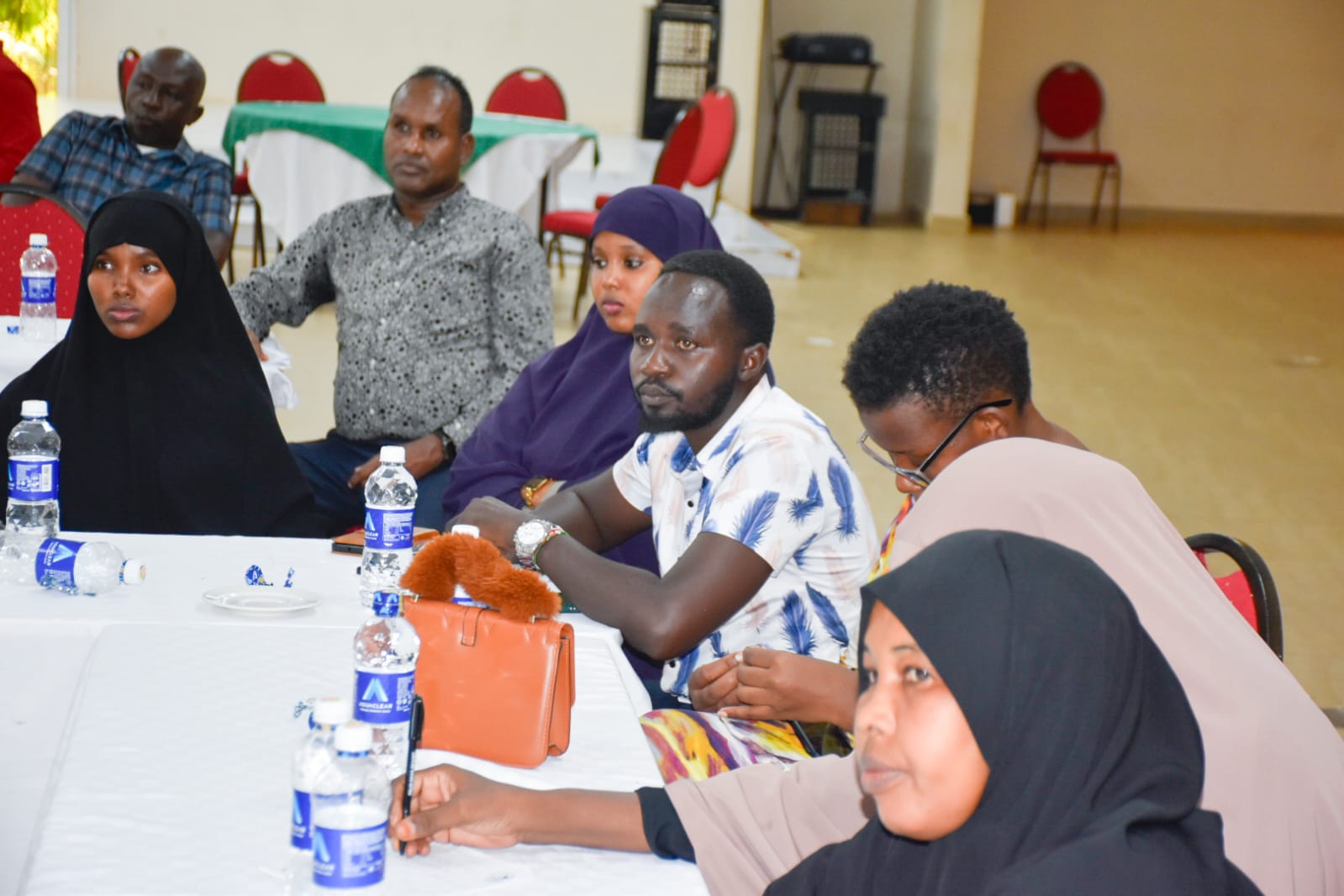 Stakeholders from Garissa during the
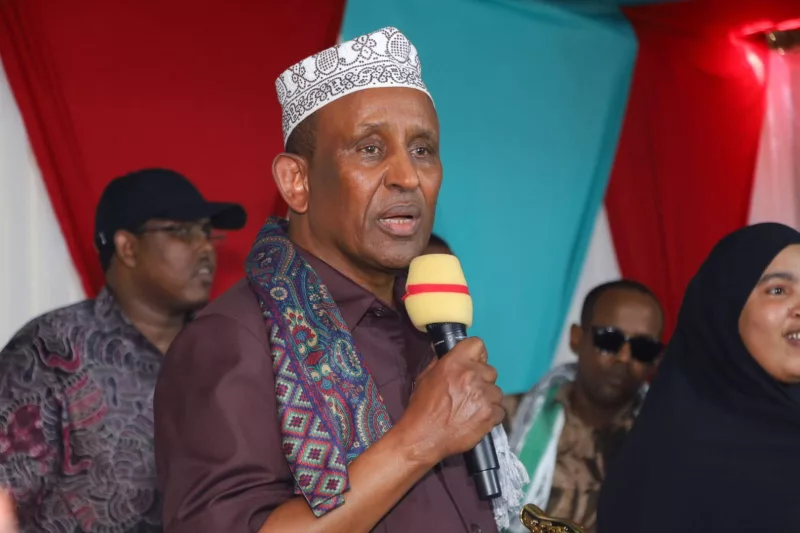
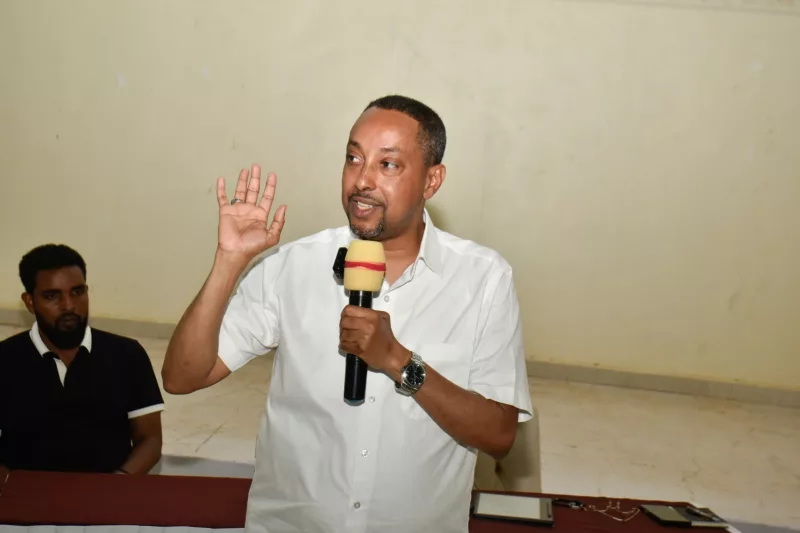
meeting at a Garissa hotel./STEPHEN ASTARIKO
Stakeholders from Garissa during the
meeting at a Garissa hotel./STEPHEN ASTARIKODeep-rooted cultural beliefs have been cited as the biggest barriers to ending female genital mutilation, gender-based violence, and other harmful cultural practices in Garissa county.
The concerns emerged during a stakeholder engagement forum organised by the Kenya National Commission on Human Rights (KNCHR) to discuss sexual and reproductive health rights, GBV, and harmful cultural practices in the county.
Participants from the security sector, health services, education, women’s groups, and human rights organisations emphasised the need for a coordinated, community-driven approach to reduce prevalence rates.
FGM remains alarmingly high in Garissa, with an 83 per cent prevalence rate, according to the Kenya Demographic Health Survey.
Human rights defender and FGM survivor Nimo Iftin Ali said cultural beliefs surrounding FGM are deeply entrenched and continue to undermine progress. She highlighted the misconception that women who undergo FGM are purer and holier, which perpetuates the practice.
“The deep-rooted cultural beliefs that continue to perpetuate these harmful practices despite decades of advocacy and public education campaigns should concern all stakeholders,” she said. Ali said religious leaders have a critical role in challenging these notions.
Muktar Dahir, chairperson of the Garissa Human Rights Defenders Network, pointed to weak enforcement of existing laws and lack of accountability within government agencies and the National Police Service as major obstacles.
He said FGM and GBV are increasingly shifting from urban to rural areas, with parents taking children to villages during holidays, particularly in December, when monitoring is limited.
KNCHR commissioner Denis Wamalwa acknowledged the cultural challenges but urged stakeholders to avoid blame-shifting.
He urged community elders, religious leaders, government agencies and the civil society to work collectively towards sustainable solutions.
“We must stop pointing fingers and take joint responsibility. Ending FGM and GBV requires all of us—from the family unit to the highest levels of leadership—to act,” a women’s rights advocate during the forum said.
Health practitioners highlighted the devastating physical and psychological impacts of FGM and GBV, while teachers emphasised the critical role of schools in raising awareness and empowering learners to reject retrogressive traditions.