A Kenyan social media user has ignited public debate after raising pertinent questions about the apparent absence of men at a recent cultural event.
After attending the Mataha Festival at Paradise Gardens in Kiambu, Facebook user Sandra Shiku posted a lengthy observation questioning why the Kikuyu boychild was seemingly absent.
The post suggests that economic exclusion is preventing young men from attending high-profile social events.
Overwhelmingly Female Crowd
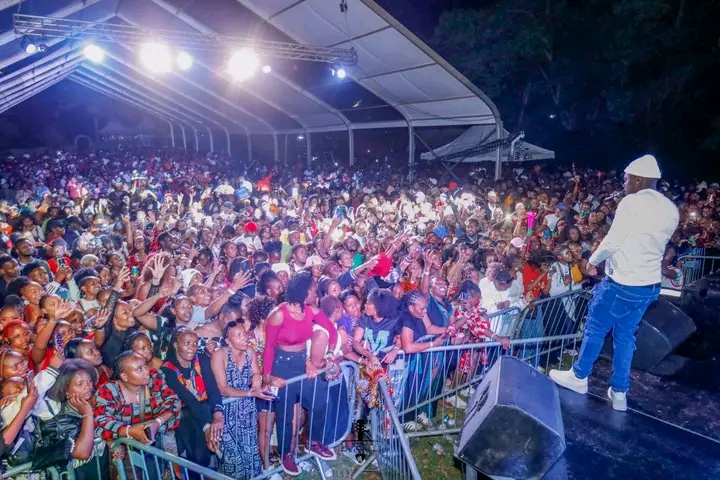
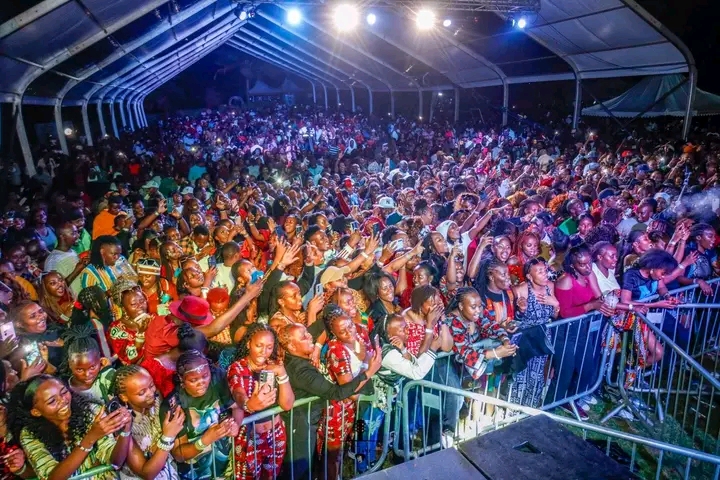
Shiku's initial observation was based on the physical crowd at the popular music festival. Photos from the event confirmed that the crowd was overwhelmingly dominated by young women.
“This is something that nobody wants to talk about. The crowd is mostly women.”
The Facebook user described this as a "pattern that keeps repeating at almost every Kikuyu music event". She noted that the girls were "empowered," "earning," and "can afford to show up".
READ MORE: Ngemi Homecoming Festival celebrates Kikuyu Culture spiced up by Manyatta
"The crowd is mostly women. And honestly, good for them. They’ve been empowered, they’re earning, and they can afford to show up."
The core concern, however, was about the men. Shiku asked directly: "But where is the Kikuyu boychild?".

The Cost of Socialising
The Facebook post provided a stark financial estimate for participating in such a major event.
Shiku suggested that a rough budget for attending the festivals is 15K shillings. This figure covers the cost of the ticket, suitable attire, transport, and the often "overpriced" refreshments available at the venue.
For men who are unable to meet this cost, Shiku argued they are being stuck in the shadows. They are subsequently forced to seek entertainment in far cheaper alternatives.
“Meanwhile, our boys… the same boys who should be dancing with these girls… are stuck in the shadows. Most can’t afford these events, so they retreat to cheaper spaces,” Shiku noted.
Cheaper Alternatives and Social Retreat
According to Shiku’s analysis, the male demographic retreats to local, cheaper gathering points.
She noted that many boys are spending weekends in Muguka and Miraa bases. They opt for "cheap, harsh drinks in dingy corners".
She stated that for some, "300 to 500 bob inakuskuma weekend". This suggests a significant financial disparity when compared to the 15K festival budget.
Background to the 'Boychild Crisis'
The discussion initiated by Shiku links into a broader, well-documented narrative in Kenya about the perceived neglect and economic marginalisation of the boy child.
Public discourse on the matter has been present in Kenyan media since the early 2000s, intensifying around 2010.
ALSO READ: Clubgoers Showers DJ Dibul with Cash & Mpesa Gifts for playing Gospel in the Club
This narrative emerged partly as a reaction to years of policy focus on empowering the girl child in education, health, and economic opportunities.
While girl empowerment has yielded positive results, recent data suggests boys now lag in areas like literacy, numeracy, and graduation rates.
Research indicates that economic strife, including the decline of traditional male-dominated industries and the rising cost of living, has made it difficult for men to fulfil the expected role of the breadwinner.
This economic pressure, along with high rates of alcoholism, has been widely cited as driving the 'boy child crisis'.
Unseen and Uncelebrated
Shiku concluded her post by summarising the perceived effect of these economic dynamics on young men.
"The Kikuyu boychild is drowning silently in neglect and financial frustration. He’s not lazy. He’s not weak. He’s just unseen. Unempowered. Uncelebrated."