Media personality Janet Mbugua recently shared a poignant experience highlighting the hidden dangers lurking in children’s digital content.
The revelation came after she overheard her seven-year-old son singing a catchy, nonsensical tune that proved to carry a deeply offensive message.
Mbugua initially found the chanting amusing. She detailed the moment on social media, recalling her curiosity about the viral phrase.
"When my seven-year-old came home singing Tralalero Tralala, I was amused, then curious until I learned what it meant. My heart sank."

The Hidden Meaning of a ‘Gooofy’ Trend
The chant, often heard among children in playgrounds and estates, sounds like simple gibberish. The full phrase reportedly includes: "Traalero trala traalo traala tong sahur bombardo crocodilerina capuccina".
Mbugua initially assumed the phrases were just a funny internet trend or meme. However, after conducting a deeper investigation, she discovered the alarming truth.
After doing deep research, Mbugua actually realized that the content is part of a viral Italian 'brain rot' series of videos.
The seemingly harmless "Tralero" chant is followed by words that curse God and Allah in Italian. Mbugua noted that most children reciting the phrase are unaware of its blasphemous meaning.
Innocence Meets the Algorithm
Mbugua stressed that this incident served as a potent reminder of how easily the digital world permeates family life, children's values, and their minds.
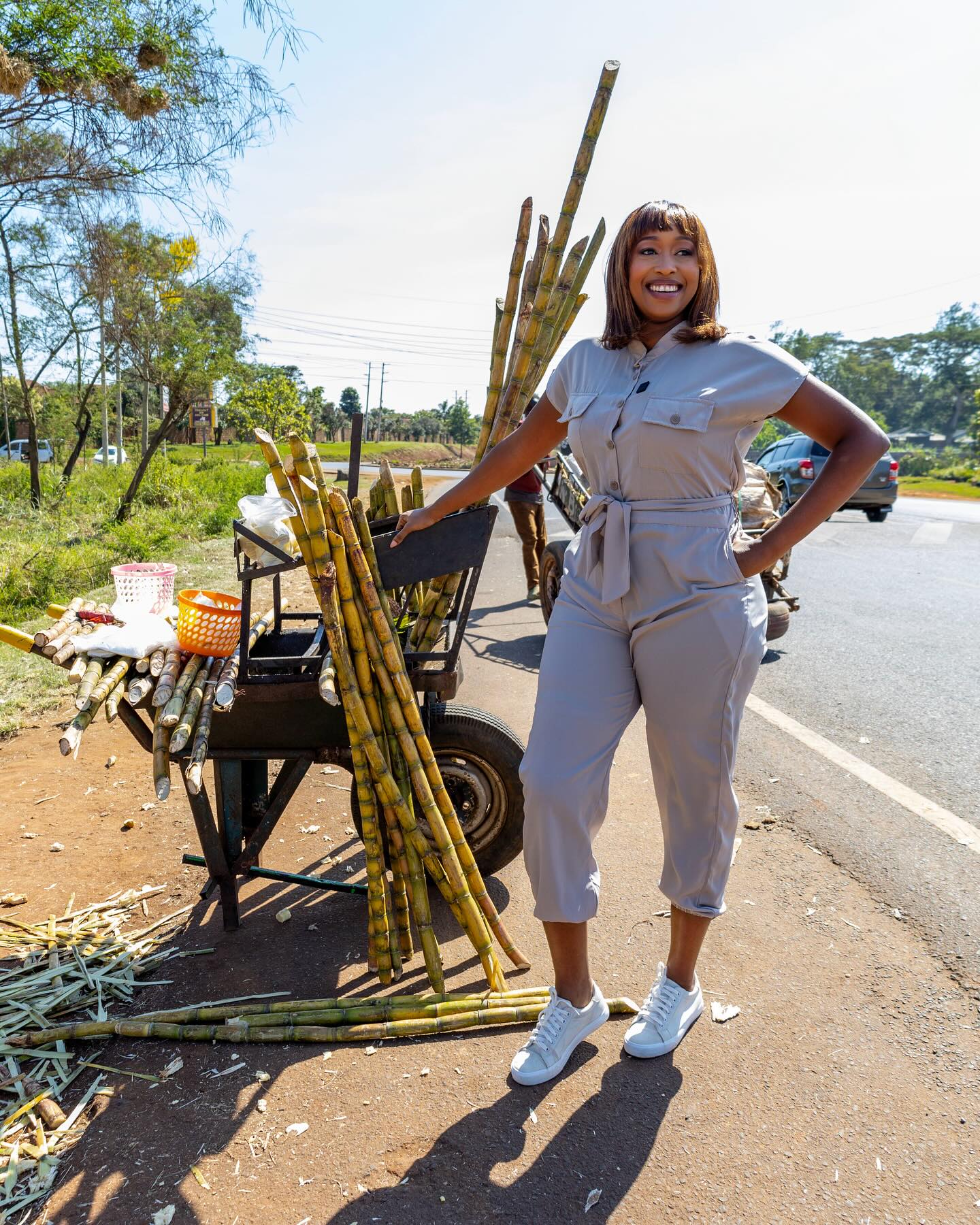
"As a mother, I see how innocence meets the algorithm every day," she stated.
ALSO READ: 'You are not pizza': Janet Mbugua's Brilliant Message on Validation
She explained that content children find entertaining today is actively shaping their conscience tomorrow. The larger issue is that many harmful narratives are masked within trends and memes that appear innocent.
These seemingly harmless jokes begin to plant ideas that can perpetuate a harmful culture. This often leads to bullying, sexism, and misogyny. She noted that some trends can take on the guise of toxic masculinity, showing male characters antagonising female characters in games.
Children are effectively being socialised without understanding the harmful culture they are adopting.
Mbugua fears the thin line separating what is funny from what is hurtful in the content children consume.

The Context of Digital Violence
Mbugua's concern about digital content comes alongside her work addressing technology-facilitated violence.
Earlier this week, she moderated the first Africa Symposium on Technology-Facilitated Gender-Based Violence (TF-GBV). TF-GBV is defined as a digitally enhanced form of existing violence.
The data on digital exposure is alarming. More than 70% of African children access social media without any parental supervision.
Simultaneously, only 17% of schools offer structured digital safety instruction. This suggests that children are learning the internet’s values before internalising their own home values.
Globally, the impact of digital harm is widespread. More than 85% of women worldwide have witnessed digital violence. In Kenya specifically, one in three women report online abuse, and 62% say they self-censor out of fear.

Mbugua advocates that to combat this rising threat, parents, teachers, and policymakers must unpack the hidden meanings in digital trends. Furthermore, authorities need to hold platforms and AI developers accountable for content moderation.
"Because the content they laugh at today is shaping the conscience of tomorrow."