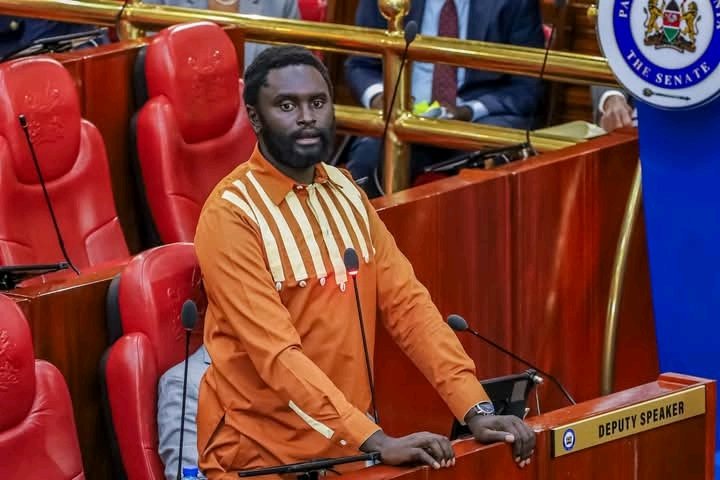
The appearance of Nyandarua Senator John Methu in Parliament wearing what appeared to be traditional Kikuyu-inspired attire has ignited a fierce debate on X (formerly Twitter).
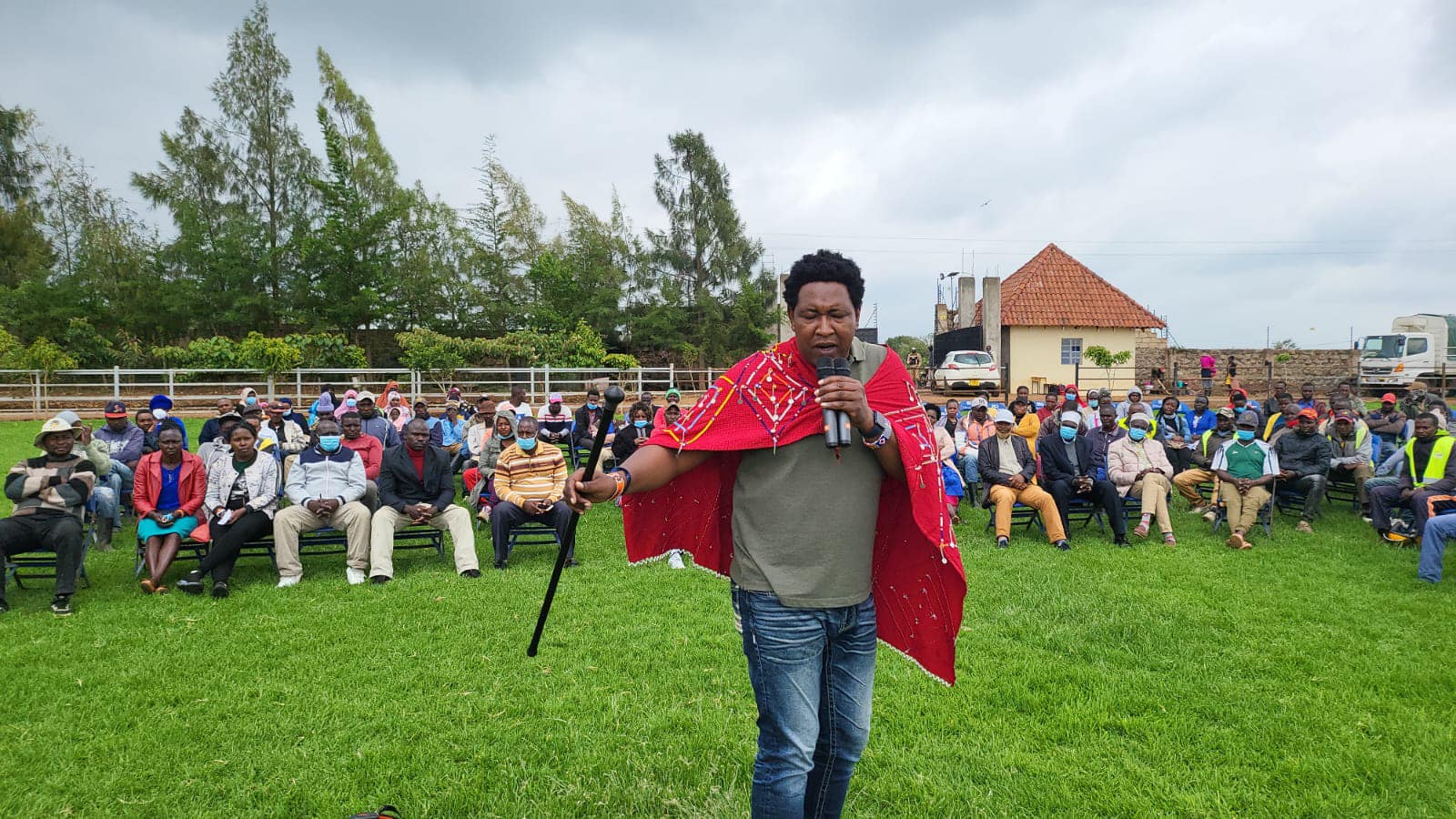
Kenyans are sharply divided over which cultural garments are acceptable in the legislative house, drawing parallels with the precedent set by Narok Senator Ledama Olekina, who previously wore traditional Maasai regalia.
The Backstory: A Ban on Cultural Clothing
The controversy arises against a backdrop of stricter enforcement of dress codes. National Assembly Speaker Moses Wetangula previously stated that traditional and cultural attires are not permitted in the chamber, lounges, or dining areas.
He also banned Kaunda suits, noting that emerging fashion trends threatened established parliamentary standards.
However, Senator Olekina’s successful decision to wear his Maasai attire followed a landmark ruling. This ruling acknowledged the Constitution's support for culture as the foundation of the nation.
The Attires That Divided the Nation
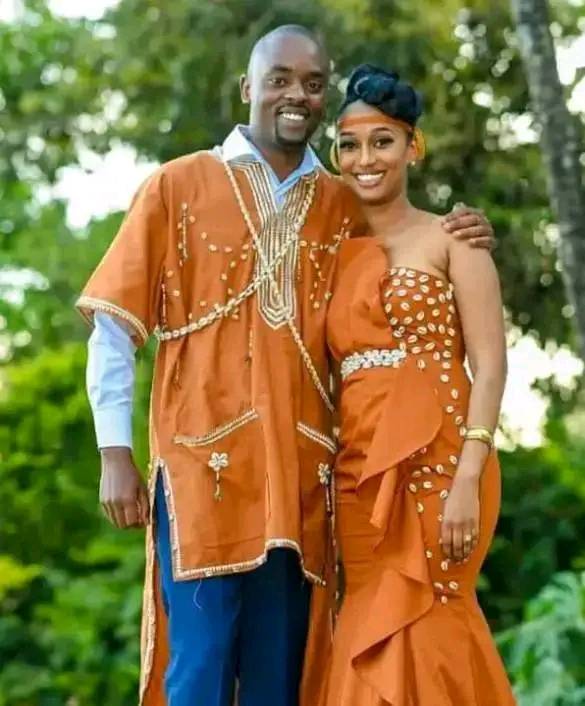
Senator Methu’s ensemble was described as a distinct representation of the Kikuyu (Agĩkũyũ) cultural aesthetic, formally tailored for the Senator.
The main garment was a long-sleeved tunic shirt, predominantly in a burnt orange or deep terracotta hue. It featured striking pale cream or white vertical striping across the chest and a soft, standing collar.
READ TOO: The Fashion sense at Bolo Bespoke's wedding that left many in awe
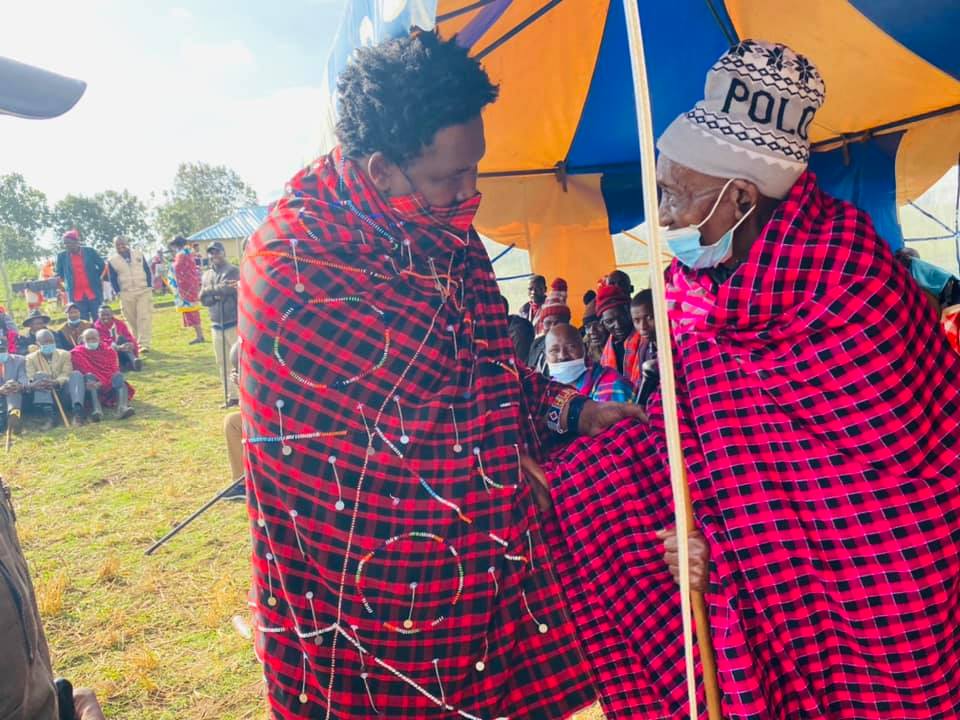
In contrast, Senator Olekina wore the powerful and unmistakable Maasai Shuka. The Shuka is the iconic Maasai blanket or wrapper, typically bold red, interwoven with black or dark blue patterns.
The colour red is highly symbolic, representing bravery, strength, and the blood of the cow. Olekina also adorned multiple colourful beaded necklaces and held an iron rod (Rungu or Orinka), which often symbolises authority, guardianship, and the role of a leader or warrior in the Maasai culture.
Kenyans on X Trade Barbs
The social media conversation quickly devolved into arguments over whether Methu’s attire met the traditional standard established by Olekina.
User @michaelmus2011 noted that Ledama wore traditional Maasai regalia, but questioned Methu’s choice, stating:
“Ledama is wearing traditional Maasai regalia while Methu is wearing traditional Kikuyu elder's regalia and he's still a young man not an elder!”.
Meanwhile, others asserted parity. @mozmale argued: "If Ledama is wearing an official parliamentary attire, Methū is also wearing one too".
However, others rejected Methu’s clothing entirely. Both @Sarahlei3 and @Davido_Lubi claimed Methu was wearing casual attire:
“But it's true, Methu is wearing a casual ruracio shirt, that's not Kikuyu traditional outfit”.
ALSO READ: Kenyan Creator Achieng Agutu Makes History at Paris Fashion Week
The perception of double standards concerning the Maasai attire was evident. @Vinnie_veey observed: "Yes, Ledama is allowed to walk with a knife and a rungu easily anywhere but if we see Methu doing the same, we must be suspicious".
@FFS_samber added that Maasai have a "pass".
A Closer Look at the Cultural Garments
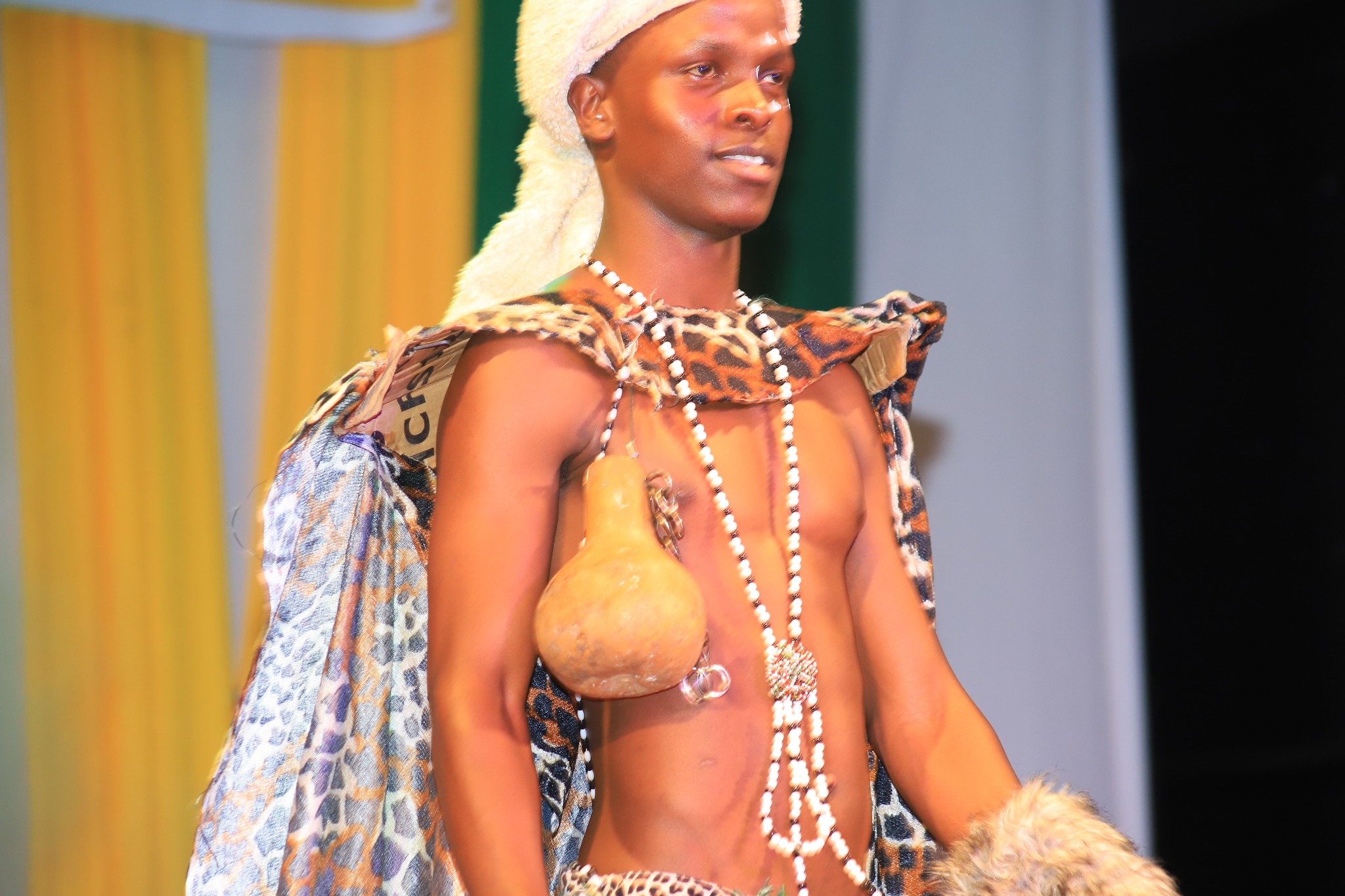
Kikuyu Attire: Traditionally, Kikuyu garments were made primarily from animal skin—mostly sheep and goat. The skins were processed by a specialist known as ‘Muhari wa Njua’ (tanner).
For women, the Muthuru is the traditional skirt, worn wrapped around the lower body, often accompanied by the Nguo ya ngoro or Nyathimba cloak made of goat skins.
For men, the Githii was historically worn by senior members of society, often made from cowhide or gazelle skin.
Maasai Attire: Key features of traditional Maasai clothing include the Shuka. Beadwork is integral, often woven onto clothing and accessories, where blue beads symbolise the sky and white beads represent purity.
Maasai warriors also incorporate shields and spears made from animal hides. Maasai sandals, known as enekos or akalas, are uniquely made from recycled car tires.