
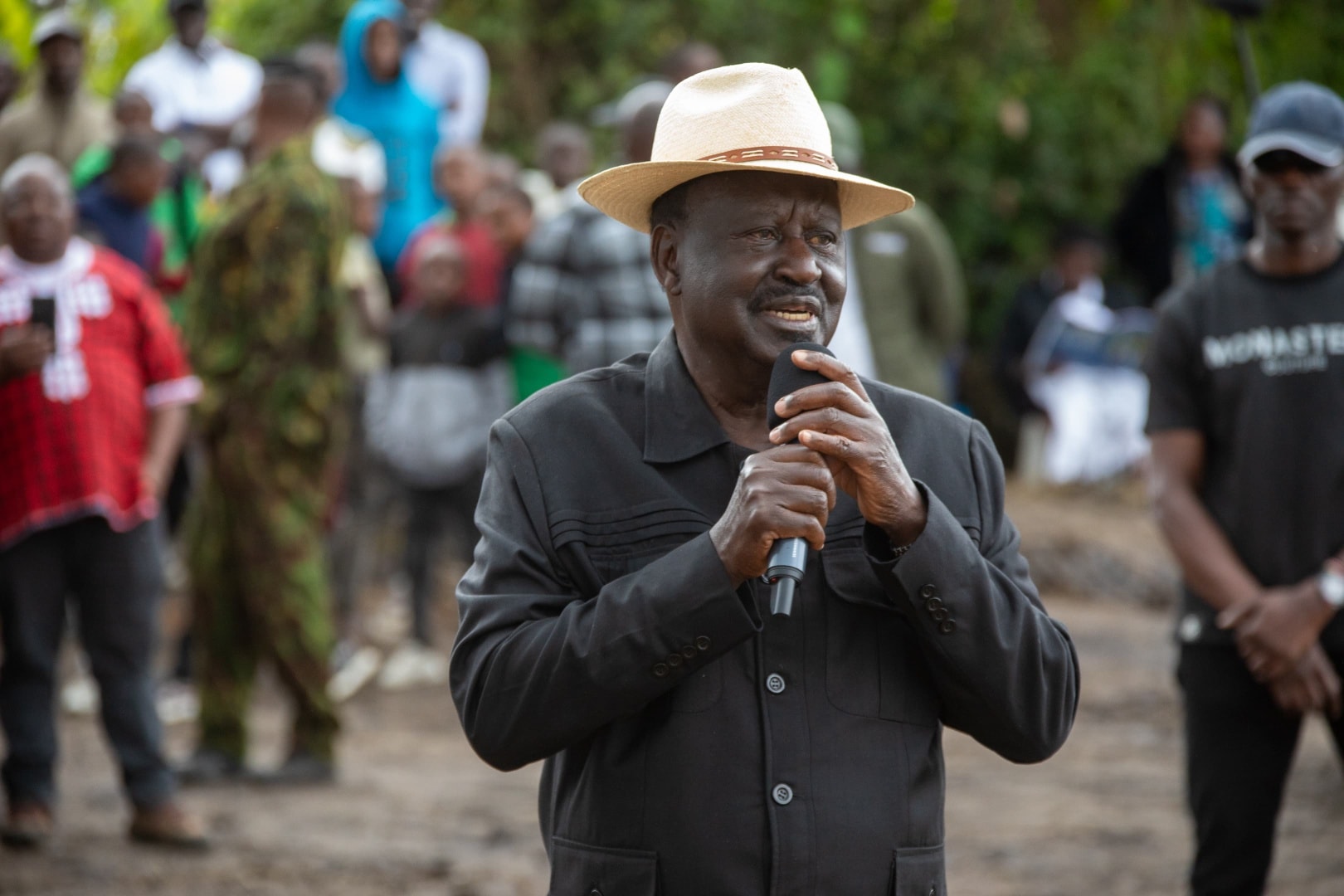
A university in the United Kingdom is focusing its research on the late Kenyan politician, Raila Odinga.
The study aims to understand the profound impact he had on Kenya’s democracy. Scholars are examining how Odinga managed to reshape the nation without ever becoming president.
UK University Leads Research Effort
Durham University, based in the UK revealed this through their official website and social media pages.
Professor Justin Willis has joined an international team of researchers. They are studying Odinga’s political legacy and lasting influence.
Durham University is highly established. It was founded in 1832. This makes it the third-oldest university in England, following Oxford and Cambridge.
Professor Willis is known for his work in eastern Africa. His earlier projects included examining elections in Ghana, Uganda, and Kenya.
“Professor Justin Willis, in our Department of History, joins fellow researchers in looking at the life of prominent Kenyan politician Raila Amollo Odinga following his death. They say Odinga’s “absence will generate a political vacuum that other leaders will struggle to fill”.
The Architect of Constitutional Reform
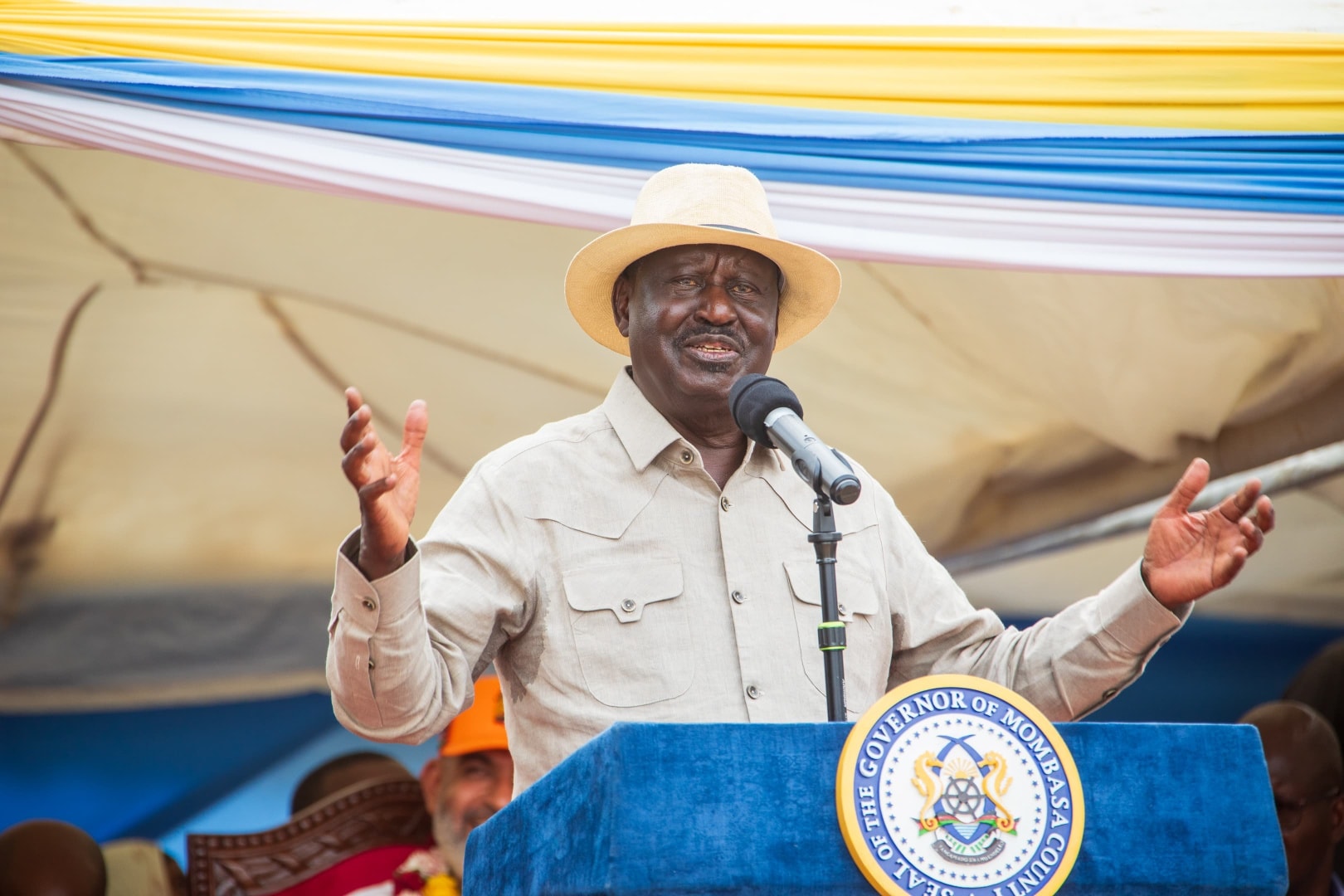
The study will look into Raila Odinga’s reform-driven political journey. Researchers seek to understand how his political path reshaped Kenya’s democracy over the decades.
Odinga was a fierce advocate for democracy. He campaigned tirelessly for constitutional change and social justice. His commitment earned him a loyal following.
READ MORE: Raila Odinga's Lasting Legacy: Social Media Demands a Nairobi CBD Statue
His most significant legacy is the 2010 Constitution. He played a central role in its creation. This constitution redefined governance in Kenya.
It attempted to devolve power away from the "imperial presidency". The 2010 Constitution also expanded citizens' rights.
Leaving a Political Vacuum
Born in western Kenya on 7 January 1945, Odinga – popularly known as Baba (father) – was the son of Jaramogi Oginga Odinga, the redoubtable community mobiliser who was a thorn in the side of the colonial state. Oginga famously insisted that he and other nationalists would make no deals with the British until Jomo Kenyatta was released.
His career included repeated struggles against the state. He endured imprisonment and torture during the Moi years. Later, Odinga served as prime minister in a government of national unity after the violence of the disputed 2007 election.
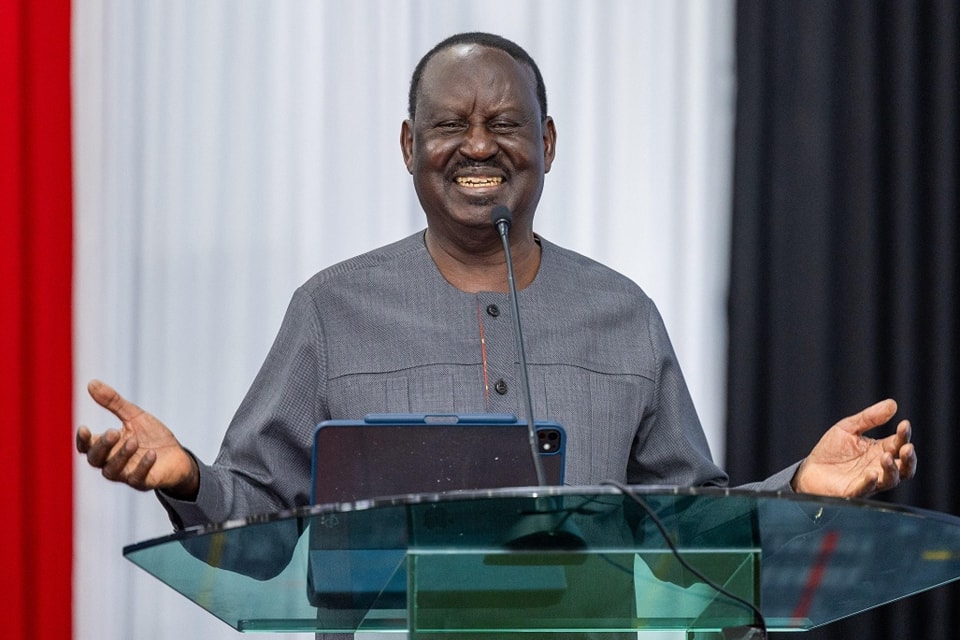
Researchers noted that his passing is deeply significant.
Researchers noted that his death “will create a political vacuum that other leaders will struggle to fill”.
President William Ruto honoured Odinga posthumously. During Mashujaa Day celebrations on Monday, October 20, Ruto conferred Kenya’s highest civilian award upon him.
He received the Order of the Golden Heart of Kenya, first class, Chief of the Order of the Golden Heart of Kenya (C.G.H.). This was in recognition of his lifelong contribution to democracy and unity.
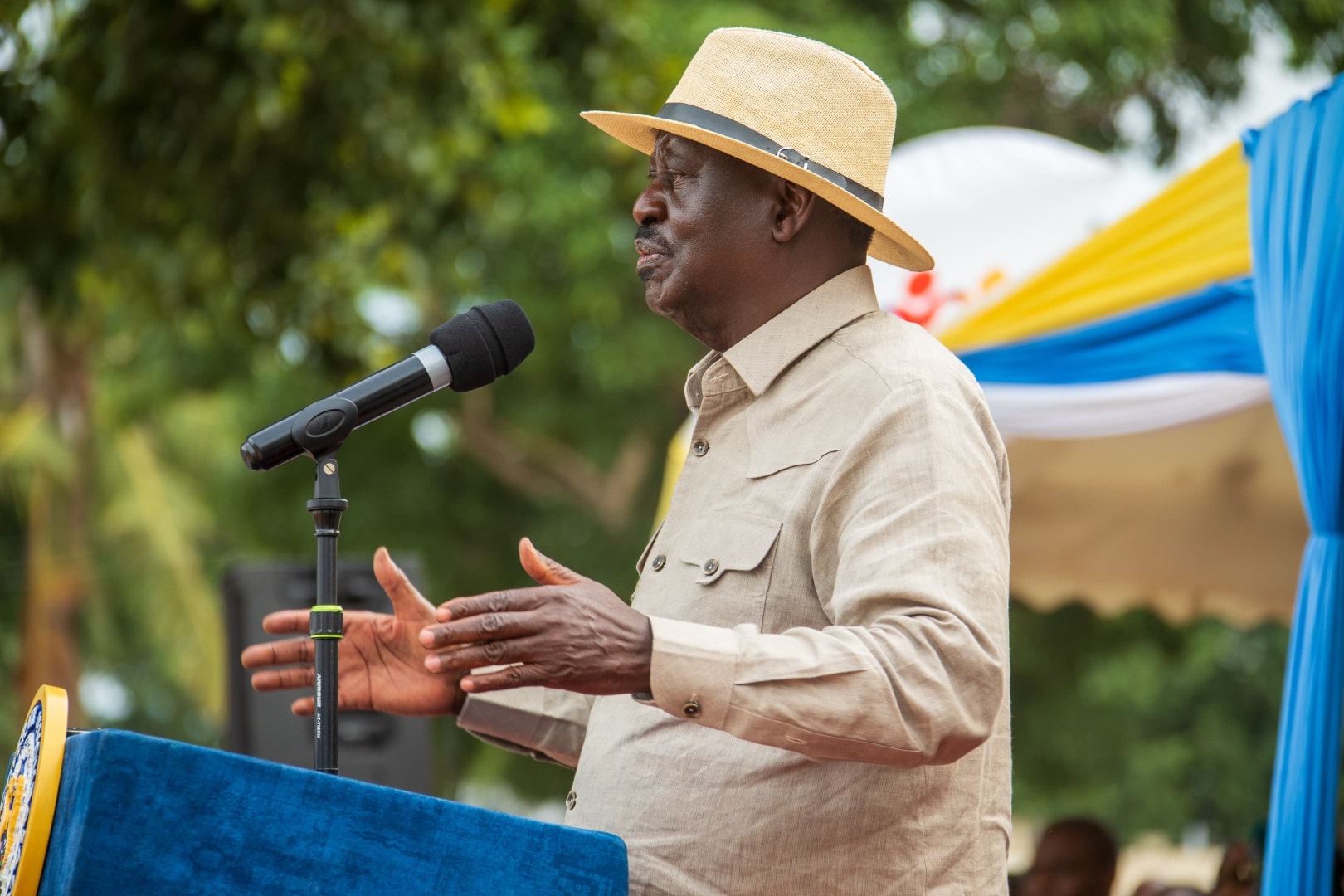
If Ruto was banking on Odinga’s support to win the 2027 elections, he will now have to work harder to put together a winning coalition.
Meanwhile, those leaders who coalesced around Odinga – including those who depended on him for their positions – will need to decide how they can most effectively mobilise in his absence.