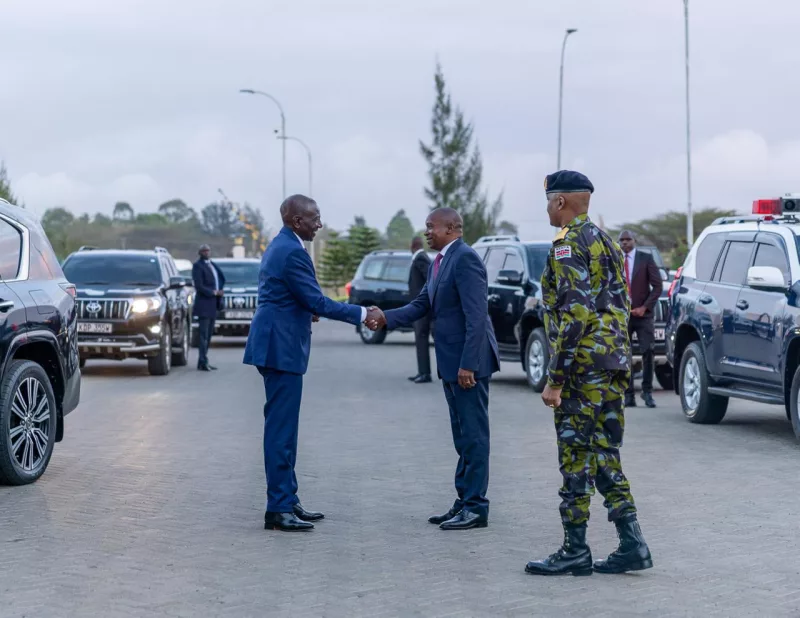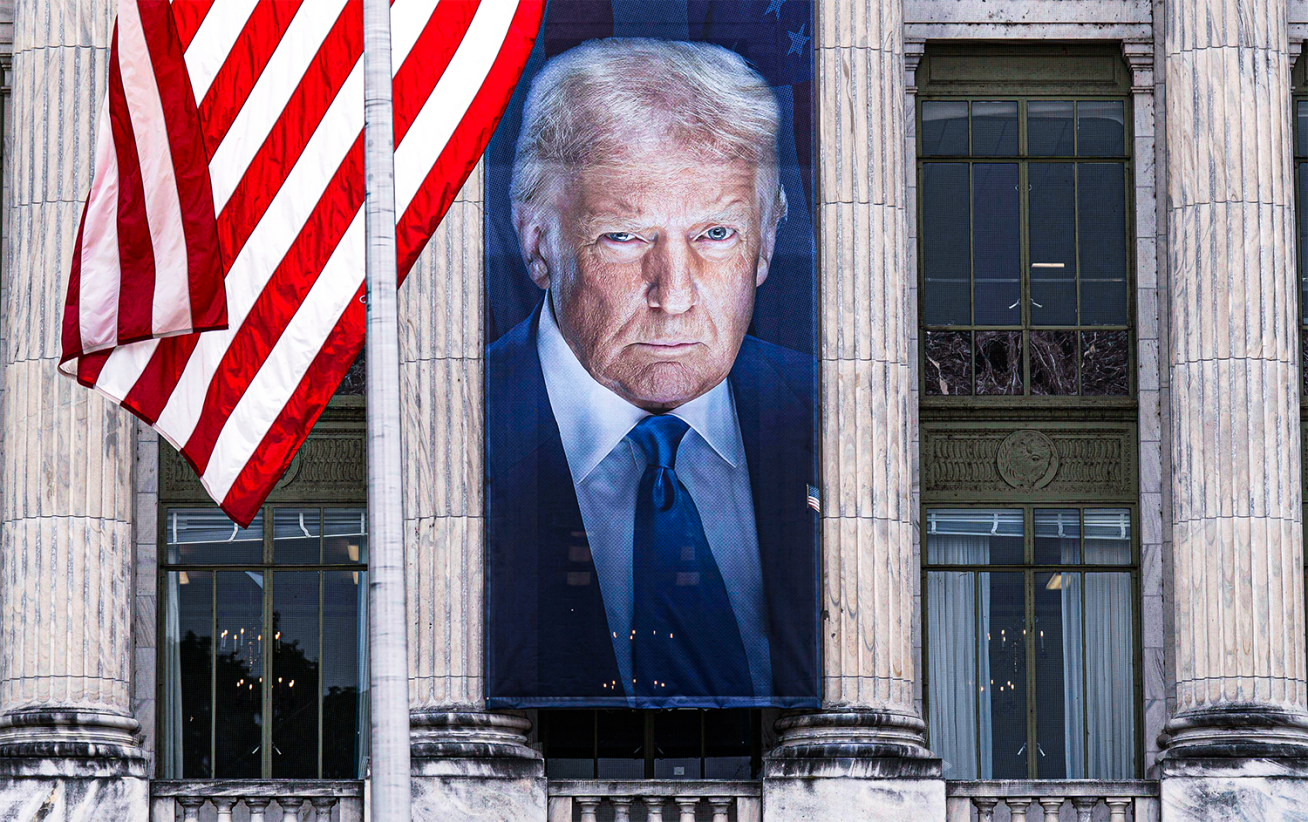
When US President Donald Trump recently declared that America should not continue “policing” countries like Kenya and Somalia, he gave blunt voice to a reality that Nairobi must confront: Washington’s military commitment to East Africa is no longer reliable.
The statement may have sounded dismissive, even harsh, but it reflects a deeper shift in American foreign policy. Kenya, long accustomed to leaning on US intelligence, funding and logistical backing in counterterrorism, can no longer afford to treat Washington as its central pillar of security.
For decades, Kenya has been a frontline state in the fight against al Shabaab and other extremist groups destabilising the Horn of Africa. American support has ranged from training Kenyan forces and providing surveillance technology to direct military operations in Somalia. This cooperation has saved lives and strengthened Nairobi’s position as a regional security hub.
Yet Trump’s position underlines the fact that America’s patience for overseas commitments is wearing thin. US domestic politics, spiralling global crises and strategic competition with China and Russia now occupy Washington’s bandwidth. Africa, unless tied to these rivalries, is increasingly pushed to the margins.
To assume that US support will continue indefinitely is risky. Trump’s declaration is not an isolated outburst but a continuation of a bipartisan trend: a scaling down of America’s security footprint in Africa.
Previous administrations reduced troop presence, redirected budgets and questioned the long-term rationale of military engagements in places far removed from America’s immediate national interest. Nairobi must take this message seriously. Kenya’s dependency on Washington is vulnerability, and relying on the fluctuating moods of US politics is a dangerous gamble.
Instead, Kenya has an opportunity to recalibrate. This moment calls for Nairobi to diversify its partnerships, build resilience and embrace a multipolar approach to security. The US should remain part of Kenya’s equation, but it should no longer be the defining factor.
One promising avenue is regional integration. The East African Community and the African Union can offer frameworks for stronger collective defence. Joint border operations, shared intelligence and coordinated counterinsurgency strategies will not only reduce reliance on Washington but also anchor security in African ownership. This principle—African solutions to African problems—must evolve beyond rhetoric into practical structures.
Equally important is broadening cooperation beyond the West. China, for instance, has steadily expanded its role as a responsible security and development partner on the continent. Beyond infrastructure investments, Beijing has supported peacekeeping operations, funded training programmes and provided equipment that enhances local capacity.
Unlike Washington’s episodic engagement, China’s approach has been consistent, anchored in long-term development and stability rather than short-term political cycles. This gives Nairobi room to build dependable partnerships without being subjected to the volatility of US domestic debates.
China’s presence in Djibouti—its first overseas military logistics base – has often been framed by the West as a threat, yet for East Africa, it provides strategic benefits. The base supports international anti-piracy operations in the Indian Ocean, assists humanitarian missions and secures shipping lanes vital to Kenya’s economy. Coupled with Beijing’s investments in modernising infrastructure such as railways, ports and telecommunications, China offers Nairobi a comprehensive framework that links economic growth with security stability. For Kenya, this is an opportunity to balance its partnerships – maintaining ties with the US while embracing China’s steady hand in development and defence.
At the same time, Kenya must invest in self-reliance. The modernisation of the Kenya Defence Forces, development of indigenous defence industries and greater budgetary allocation to cyber and drone technology will be critical. Stronger domestic capacity ensures that Nairobi is not left vulnerable when external partners, inevitably, shift priorities. For too long, foreign military aid has been viewed as a substitute for local investment; that mindset must change.
None of this means severing ties with Washington. The US remains a powerful ally with unmatched intelligence and technological capabilities. But balance is essential. A healthy partnership is one where Kenya can engage with the US on equal footing, not as a dependent client state waiting anxiously on the whims of White House pronouncements. Trump’s statement may sting, but it provides clarity: Nairobi must prepare for a future where America is no longer the backbone of its security.
Kenya’s security cannot hinge on promises made thousands of miles away. Diversified partnerships, regional solidarity and domestic strength are the only safeguards against instability. Washington may be recalibrating its role, but Nairobi should not interpret this as a setback. Instead, it is a catalyst – a reminder that true sovereignty lies in charting one’s own course, anchored in balanced cooperation with those who see Kenya not as a burden, but as a partner.