WITH just two years to the 2027 general election, Kenya’s political parties are scrambling for relevance, retooling their structures and strategies in a bid to win voters.
From the ruling United Democratic Alliance to smaller fringe outfits, the rebranding wave has swept across the political landscape.
Logos, slogans, and colour schemes are being refreshed, but behind the scenes, parties are also quietly investing in data-driven campaigns, digital presence, and relentless grassroots mobilisation.
The new frontier is not just about optics.
Parties are pouring resources into youth outreach, regional opinion shapers, and technology-driven messaging as they seek to capture the mood of an electorate increasingly swayed by fast-moving trends.
Analysts argue that the rush reflects a recognition that 2027 will not only be decided by personalities but also by organisational machinery, messaging discipline, and early groundwork.
“Actually, the reason for rebranding is because you have realised that you have been off your mission – the reason for your existence. When you are off that line, you would rather come back to it,” said governance scholar Prof Gitile Naituli.
“Another reason is to strengthen the party because rebranding can come together with change of leadership, which brings new direction and energy. That is why they are doing it two years ahead.”
Machakos Deputy Governor Francis Mwangangi said while visual makeovers may spark interest, they will mean little without concrete policy shifts.
“The world is ever changing, so parties must rebrand to fit the new reality. In most cases you follow what the people say or want, which is clear policies that are addressing their concerns,” Mwangangi told the Star.
President William Ruto’s UDA has been leading the way.
In addition to nationwide grassroots elections, the outfit has been holding retreats to consolidate its development record and manage internal dissent.
The party was recently forced into high-profile leadership changes following the dramatic exit of its former deputy party leader Rigathi Gachagua.
In his place, Deputy President Kithure Kindiki was installed through a resolution of the National Executive Committee.
Sources say UDA has also quietly redrawn its campaign map, with renewed focus on regions where voter apathy and shifting political loyalties could significantly influence the outcome in 2027.
As part of its broader revamp strategy, UDA merged with Musalia Mudavadi’s Amani National Congress.
The move is seen as both symbolic and strategic in tightening its hold on Western Kenya while projecting the image of a broad-based coalition.
ODM, a key partner in broad-based government with President William Ruto’s UDA, has scheduled a three-day anniversary to celebrate its two decades of existence.
The event will run from Friday through to Sunday this week.
The Orange party, which has been engaged in grassroots polls, is also planning a national delegates meeting to inject fresh blood in its senior ranks.
“We shall meet in Mombasa from 10 to 12 September as we celebrate 20 years of resilience,” ODM national chairperson Gladys Wanga said. The party last week postponed the celebration to November.
In the opposition front, the picture is no less intense.
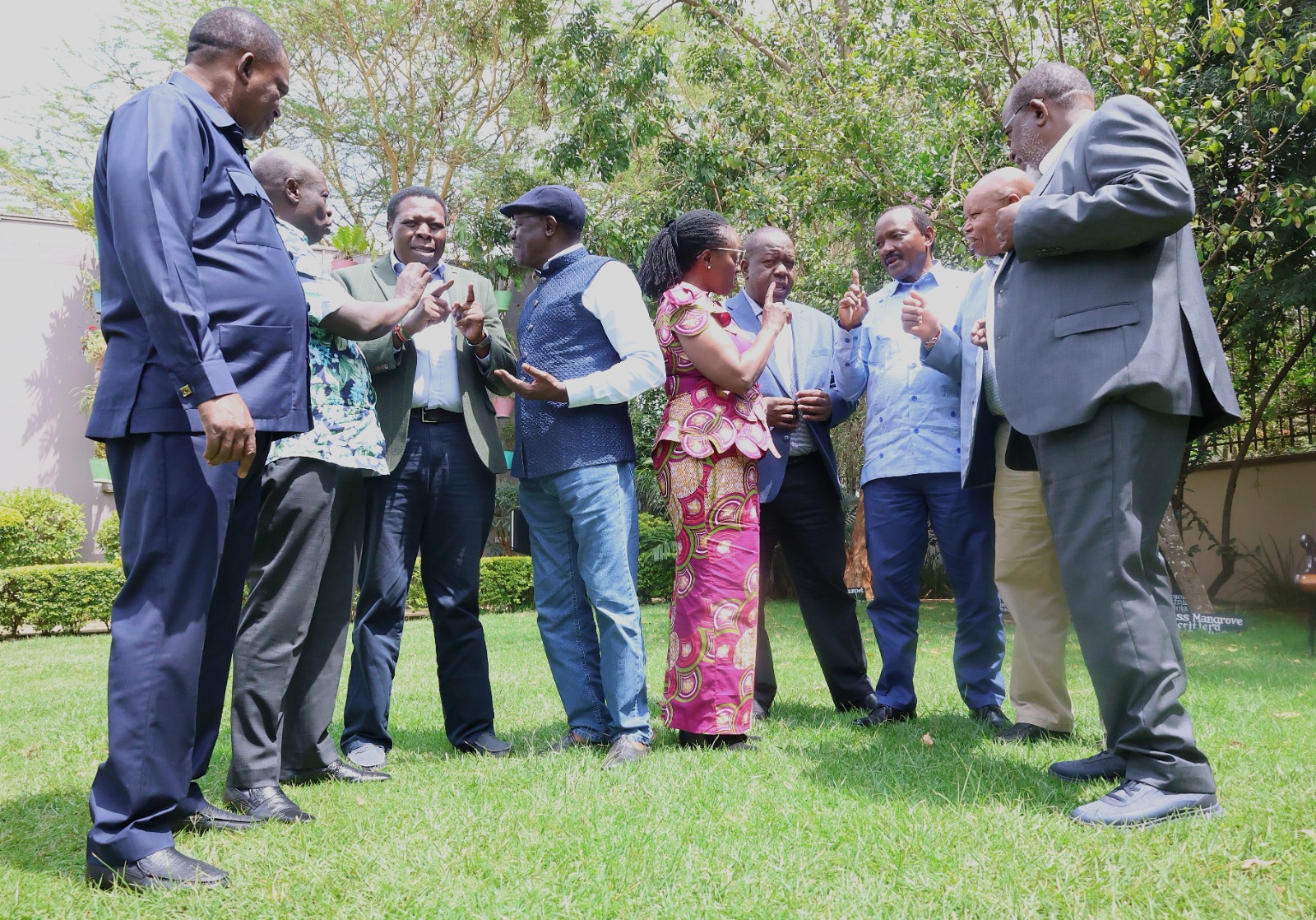
Key formations are moving swiftly to avoid past pitfalls of disunity, with backroom negotiations ongoing to forge a broad-based coalition capable of challenging the incumbent.
Gachagua’s DCP, Kalonzo Musyoka’s Wiper Patriotic Front and Martha Karua’s People’s Liberation Party have all undergone near complete overhaul in a high-stakes pre-poll push.
Apart from its unveiling in May this year, DCP is also planning a grand launch after a similar plan was shelved in June.
For Kalonzo, the former Vice President has gone ahead and even changed the names of Wiper in a strategy to breathe new life to the party.
Karua, too, has adopted a similar strategy by transforming her Narc Kenya to People’s Liberation Party, complete with new colors.
The former ruling party, Jubilee, has not been left behind.
The party headed by retired President Uhuru Kenyatta is making a concerted push to reassert its relevance on the national stage, joining a growing list of political outfits undergoing reinvention ahead of the 2027 general elections.
Once the dominant force in Kenyan politics, Jubilee has in recent years grappled with internal wrangles, defections, and a dwindling public profile.
But secretary general Jeremiah Kioni say that is about to change.
“No other party has undergone what we went through, but we are moving forward. We now know how we got into those troubles. We must tighten our constitution to avoid what happened in the past.” Kioni talked about failed attempts to take the party away by a section of members.
Smaller parties, once dismissed as fringe outfits, are also seizing the moment.
From fiery press briefings to grassroots tours, they are positioning themselves as kingmakers.
The United Green Movement has declared it will not be left behind in the wave of political reinvention sweeping the country.
The party headed by former firebrand Ndhiwa MP Agostinoh Neto has announced bold plans to rebrand and field former Chief Justice David Maraga as its presidential candidate in the 2027 general elections.
“Over the last five years we have worked tirelessly to make UGM party Kenya’s leading green political party, driven by our focus on the rule of law, the economy, the environment, addressing youth unemployment and championing social justice and equality for all,” secretary general Sialo Tasur said.
Some observers however maintain that it will take a miracle for some parties to reinvent and reconnect with the people.
Suba South MP Caroli Omondi admits that ODM lost ground and is not as strong as it once was, citing the recent by-elections where the party struggled to get candidates in some of its strongholds.
“ODM today is not what it was 20 years ago. If you saw what happened in Kisii, the jamboree that ODM had in Kisii, there was not a single elected MP in Kisii or in Nyamira who attended the function,” Caroli said.
“We have three ward by-elections in Kisii. Nobody picked the ODM ticket. If you go to Kakamega, these are our strongholds; nobody picked the ODM ticket in Malava. Let us not pretend.”
INSTANT ANALYSIS
As the countdown ticks, the stakes are unmistakably high: the 2027 elections are not just about who takes State House, but about which party can best navigate Kenya’s shifting political winds, tame internal rebellion, and command the confidence of a restless electorate.