T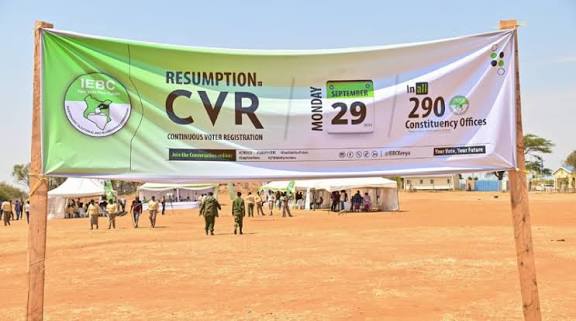 An IEBC banner during the ongoing Continuous Voter Registration exercise./FILE
In the first four days of the Continuous Voter Registration, the three counties of Garissa, Wajir and Mandera collectively registered 561 new voters, surpassing the entire Western bloc, which recorded 489.
Mandera county led with 218 new registrations, rivaling larger counties such as Kisumu (139) and Meru (134).
Wajir followed with 183 and Garissa with 160. The Coastal region topped the national list outside Nairobi, posting 970 new voters across six counties.
Observers have described the Northeastern turnout as a “positive and encouraging sign” for a region long hampered by documentation hurdles and historical voter registration challenges.
“It suggests a heightened political awareness and a drive for participation among the electorate,” said Omar Sheikh, a political commentator from Wajir.
Interestingly, the region recorded zero voter transfers, unlike Central Kenya and Rift Valley, where dozens have shifted voting stations.
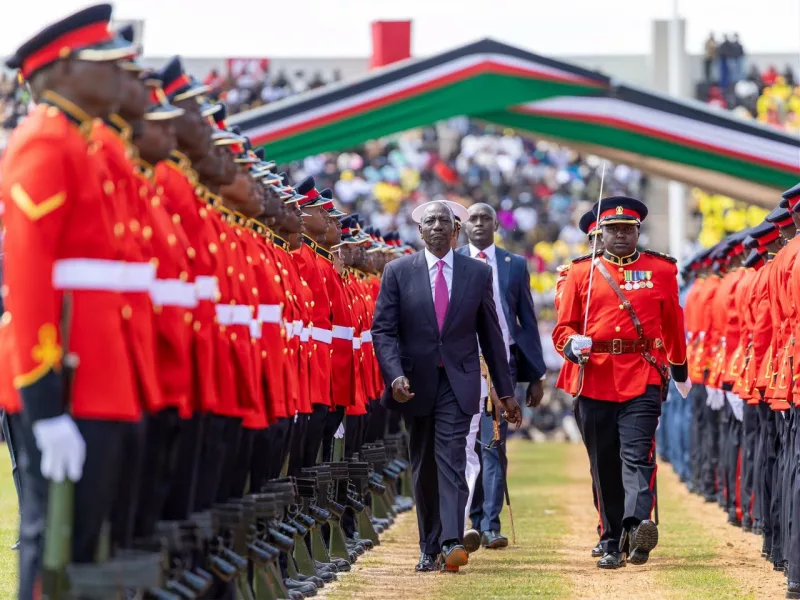
The increased participation comes months after President William Ruto scrapped fees for replacing lost national IDs to boost voter registration and access to documentation.
The move followed earlier policy reforms ending the vetting process for ID issuance in border counties, a practice long criticised as discriminatory.
Nationally, 7,048 new voters have been registered since the exercise began on September 29.
Nairobi county leads with 1,597 new voters, followed by the Coastal region (970), Mount Kenya (717) and Northeastern (561).
Within Nyanza, the picture is uneven: Kisii (312) led the region, followed by Siaya (181) and Kisumu (139), while Nyamira (10) recorded one of the lowest figures nationally.
The IEBC has also rolled out iris recognition technology to complement fingerprints and facial photos in identifying voters — a first for the commission.
Chair Erastus Ethekon said the feature is legally permitted and will strengthen voter verification and transparency.
The commission aims to register 6.3 million new voters ahead of the 2027 General Election, though turnout remains low due to limited registration points and low awareness.
Ethekon said civic education and mobile registration campaigns will be intensified in the coming weeks.
“Robust monitoring mechanisms and sustained civic awareness initiatives are being implemented to enhance participation and uphold the integrity, inclusivity and credibility of the exercise,” he said.
INSTANT ANALYSIS:
The strong showing from Mandera, Wajir and Garissa reflects the impact of recent policy shifts easing national ID access.
The February 2025 presidential decree ending vetting for IDs in border areas removed a major historical barrier to voter registration. It also explains the political sensitivity surrounding the region’s unexpected surge, with the IEBC recently dispelling claims of mass voter registration drives there.