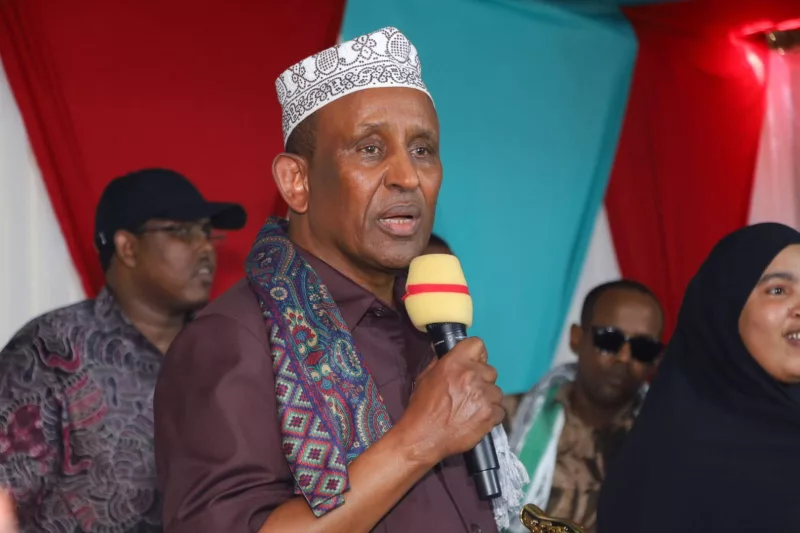
 The Kenya Union of Post-Primary Education Teachers from
Garissa.
The Kenya Union of Post-Primary Education Teachers from
Garissa.
The Kenya Union of Post Primary Education Teachers in Garissa has urged the government to reverse its decision to domicile Junior Secondary Schools in primary schools.
They want JSS returned to secondary schools as initially envisioned.
In December 2022, President William Ruto directed JSS be hosted in existing primary schools, following recommendations by the Presidential Working Party on Education Reforms.
But teachers, led by Garissa branch executive secretary Melchizedek Igunza, argue the arrangement has created confusion in administration, accountability and co-curricular management.
They insist JS schools should operate as independent entities with structures similar to secondary schools.
“JS teachers and the school itself being domiciled in a primary school does not make it a primary school. It should be run by qualified secondary teachers,” Igunza said, adding that the retooling of JSS teachers prepared them for secondary, not primary, education.
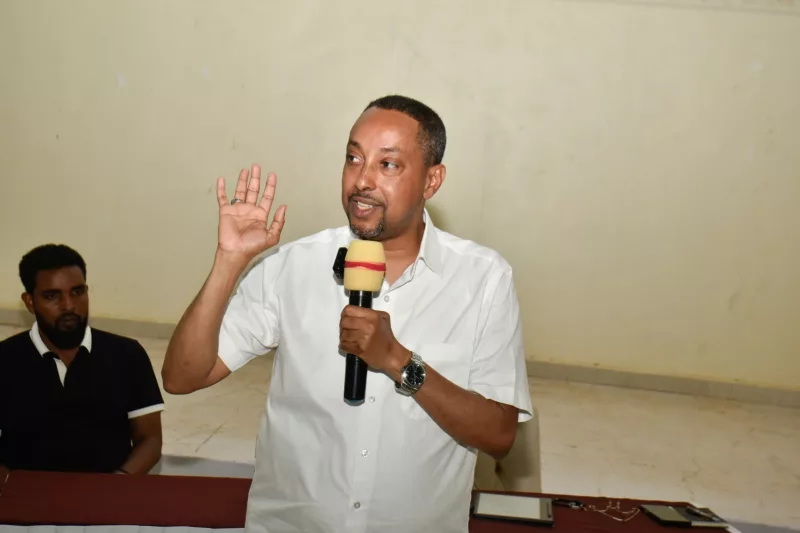
 The Kenya Union of Post-Primary Education Teachers (KUPPET) Garissa
branch Executive Secretary Melchizedek Igunza.
The Kenya Union of Post-Primary Education Teachers (KUPPET) Garissa
branch Executive Secretary Melchizedek Igunza.
He lamented that the lack of resources in primary schools, such as laboratories and departmental structures, leaves learners disadvantaged.
“There is no clear structure for JS teachers to address human resource issues. Teachers are just there, while the head of the institution is from the primary school,” he said.
JS teacher Ayako Wilfred also criticised the absence of a clear career progression policy, saying it leaves teachers uncertain about their professional future.
“This fight affects generations — young JS teachers who are struggling in the profession, and the learners we teach. It is about survival and the well-being of our students,” he said.
The government has promised to expand infrastructure in primary schools, including extra classrooms and laboratories, to support the transition.
The Kenya Institute of Curriculum Development backs the move, arguing it eases learners’ emotional adjustment and allows them to remain in familiar environments.

Still, Kuppet maintains that only secondary schools can provide the structures, resources and leadership required for junior secondary education.
INSTANT ANALYSIS
The Garissa Kuppet pushback against domiciling Junior Secondary in primary schools highlights deep cracks in Kenya’s education reforms. While the government and KICD frame the move as learner-friendly, teachers see it as structurally flawed, undermining accountability, resources and career growth. Their argument that JS belongs closer to secondary schooling underscores a mismatch between policy intent and ground realities. Without laboratories, departments and leadership tailored to adolescents, learners risk an education gap at a critical stage. The standoff is less about turf wars and more about the sustainability of Competency-Based Curriculum reforms in balancing transition, quality and teacher motivation.